Audi e-tron 55 After Six Years: Heavy Depreciation, but the Battery Surprised on the Upside
 A. Krivonosov
A six-year-old Audi e-tron 55 lost a huge chunk of value, yet its battery still holds 90% of original capacity. Here's what the Aviloo Flash test revealed.
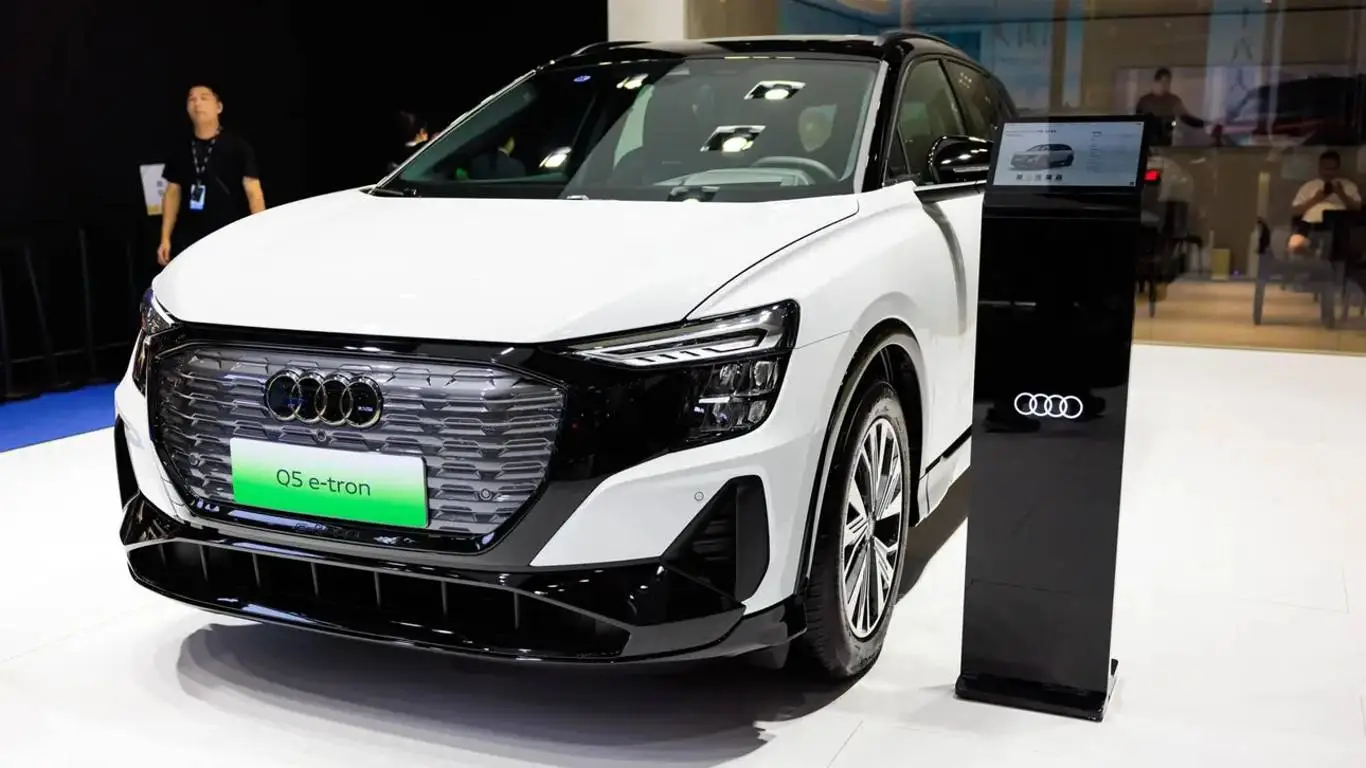
Used EVs often scare buyers off with battery worries, but this Audi e-tron 55 shows the other side of the market. Over six years the crossover lost a huge chunk of value, yet the battery kept most of its life. The current owner bought the e-tron about a year and a half ago with around 45,000 km on the clock. The dealer at the time provided a battery health report: 92% of original capacity.
Now the car has been checked with the Aviloo Flash quick test, and the result came in close — 76 kWh of usable capacity, or about 90.8% of the factory figure. The official usable capacity of a new battery is 86 kWh. Over the last 18 months degradation amounted to roughly 1.2 percentage points. That’s a solid result for a six-year-old electric crossover, especially considering the charging history before purchase is completely unknown. The owner says he mostly charges at home and usually stops at 80%. At that level the e-tron still shows around 300 km of range.
Fast charging is just as important. According to the owner, the car still hits the full 150 kW DC peak, and a 10 to 80% charge takes around 22–23 minutes. For an older EV that matters more than a pretty number in the listing: if a car not only holds capacity but also accepts power properly at the station, living with it gets noticeably easier.
The money side tells an even sharper story. When this e-tron was new, the price was approaching €110,000. The current owner picked it up for €36,000, and in Europe similar cars can now be found for under €30,000. The drop in value turned out to be far harsher than the drop in battery capacity. Still, a cheap e-tron shouldn’t be bought blind.
The Aviloo Flash quick test gives a useful snapshot, but a more accurate assessment comes from a full battery check with a charge to 100% and a discharge to 10% during a drive. For a used EV buyer this is almost mandatory diagnostics — the equivalent of an engine inspection on a combustion car. Sometimes the real risk of an older EV isn’t that it won’t go far, but that a good battery is hiding among listings that look suspiciously cheap.
As 32CARS.RU previously reported, the Audi e-tron GT ran into trouble with hood access when its battery went flat.