Mercedes on the Electric AMG GT: “This Car Shouldn’t Even Exist”
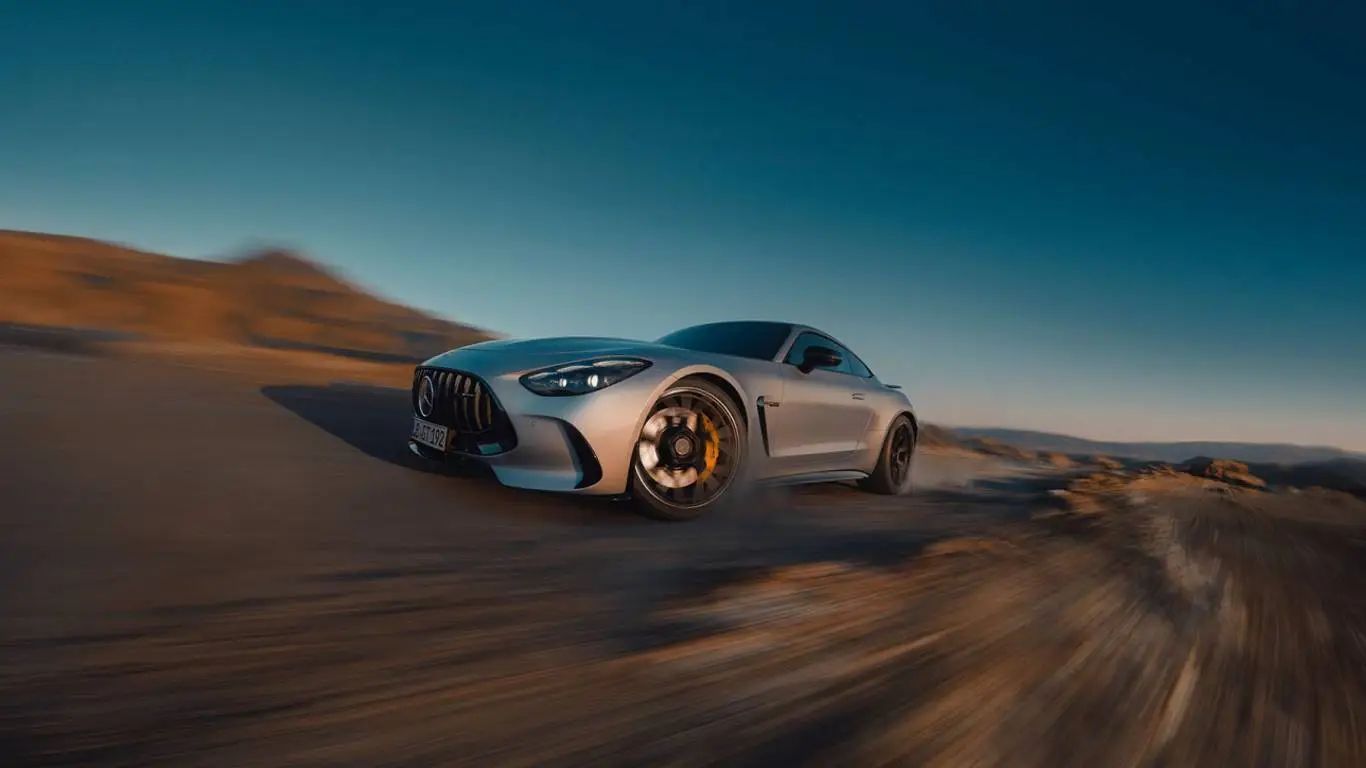 mercedes-amg.com
Manager Magazin reports that Mercedes executives called the electric AMG GT a car that should never have existed. Sales of the EQS and EQE collapsed by 90%, and the group is steering budgets back toward combustion engines.
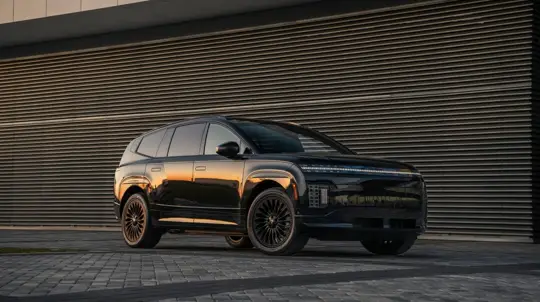
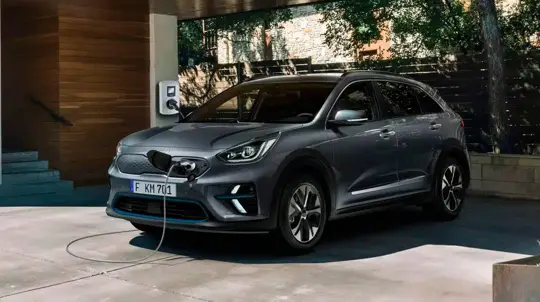
1169 horsepower, 696 kilometres of range and a top speed of 300 km/h — on paper the electric Mercedes-AMG GT 4-Door Coupé looks flawless. Inside the company itself, the reception was noticeably cooler.
German business magazine Manager Magazin (relayed by The Autopian) has published a close look at the tenure of Mercedes-Benz boss Ola Källenius, and in it several unnamed executives were blunt about the new car. “This car shouldn’t even exist,” one of them said. “But it was too late to stop it.” Development had run too far to reverse, and that goes beyond the saloon: two electric derivatives are still to come, a high-performance SUV first and a coupe-styled version after it.
The roots of the row lie in the collapse of the brand’s electric strategy. In late 2023 the supervisory board sat down to review the plans for 2024 and found that sales of the EQS and EQE electric saloons had fallen by 90%. Developing those models and two related SUVs had cost around 5 billion euros, with billions more going into production, marketing and everything attached to it. Källenius himself had pushed the cars as the start of a new era, back when he was in charge of development. “It was clear then that these cars were the biggest failures in the company’s history,” recalls one participant in that meeting. Soon afterwards the group began redirecting money back into combustion engines.
The lessons of the first EQ generation have been learned. Those early electric cars arrived with divisive styling and names that broke the brand’s familiar logic. The new CLA works the other way round: it looks like an ordinary Mercedes, it is offered with a combustion engine as well as in fully electric form, and the 250+ version covers up to 792 kilometres on the WLTP cycle.
The template came from a direct rival. While Mercedes bet on aggressively futuristic design, BMW simply built electric cars — the i4 and i7 — and is now moving its classic styling onto the Neue Klasse platform. The gap shows in the numbers: so far this year electric cars have accounted for 11.6% of Mercedes sales, against 17.7% at BMW. The course towards a single look across every powertrain now looks settled in Stuttgart.