Why wearing a bulky winter coat while driving undermines seat belt safety
 A. Krivonosov для 32CARS.RU
European insurers warn that bulky winter jackets reduce seat belt effectiveness and raise injury risk. Remove coats, warm the car, and choose thinner layers.
Across Europe, insurers and motoring clubs are warning drivers about the danger of staying bundled up behind the wheel in a thick winter jacket. A study by Norwegian insurer Trygg Forsikring found that 56% of motorists keep their winter layers on during the drive. It may feel natural in freezing weather, yet taking off that bulky coat before setting off can be the difference between proper restraint and needless risk.
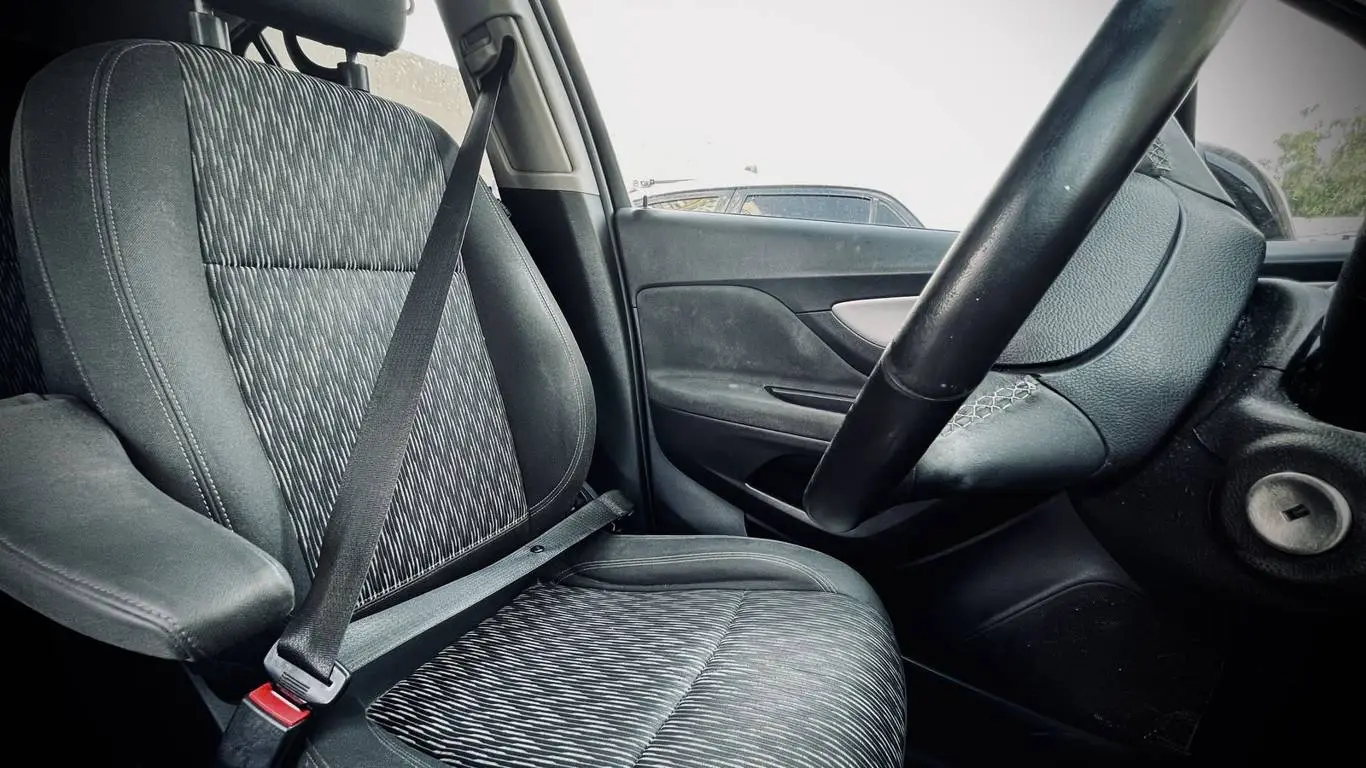
Experts stress that a seat belt must lie snugly against the body. A padded coat creates a gap between the belt and the torso, delaying the belt’s action in a collision. ADAC’s crash tests show that in this situation the belt can bite into the abdomen, injuring internal organs and causing dangerous internal bleeding.
There’s another hazard: until the belt finally takes hold, the body moves farther forward, which raises the likelihood of injury. That’s why in motorsport harnesses are cinched as tightly as possible before the start — a practice driven by physics rather than comfort.
ANWB, ADAC and Veilig Verkeer Nederland recommend removing bulky outerwear in the cabin, warming up the car in advance and using seat heating. In some countries, including France, Belgium and Spain, overly thick clothing at the wheel can bring a hefty fine. For winter trips, experts suggest opting for thinner layers made from fleece or wool — a small change that preserves warmth without sacrificing safety.