Exlantix ES: Chery's near-5-metre electric sedan reaches Europe, but the trunk is the catch
 D.Novikov / 32CARS
At almost 5 metres, the Exlantix ES pairs 800V charging and up to 610 km of range with a 396-litre boot — smaller than a Renault Mégane's. Chery's premium EV brand reaches Spain in early 2027.
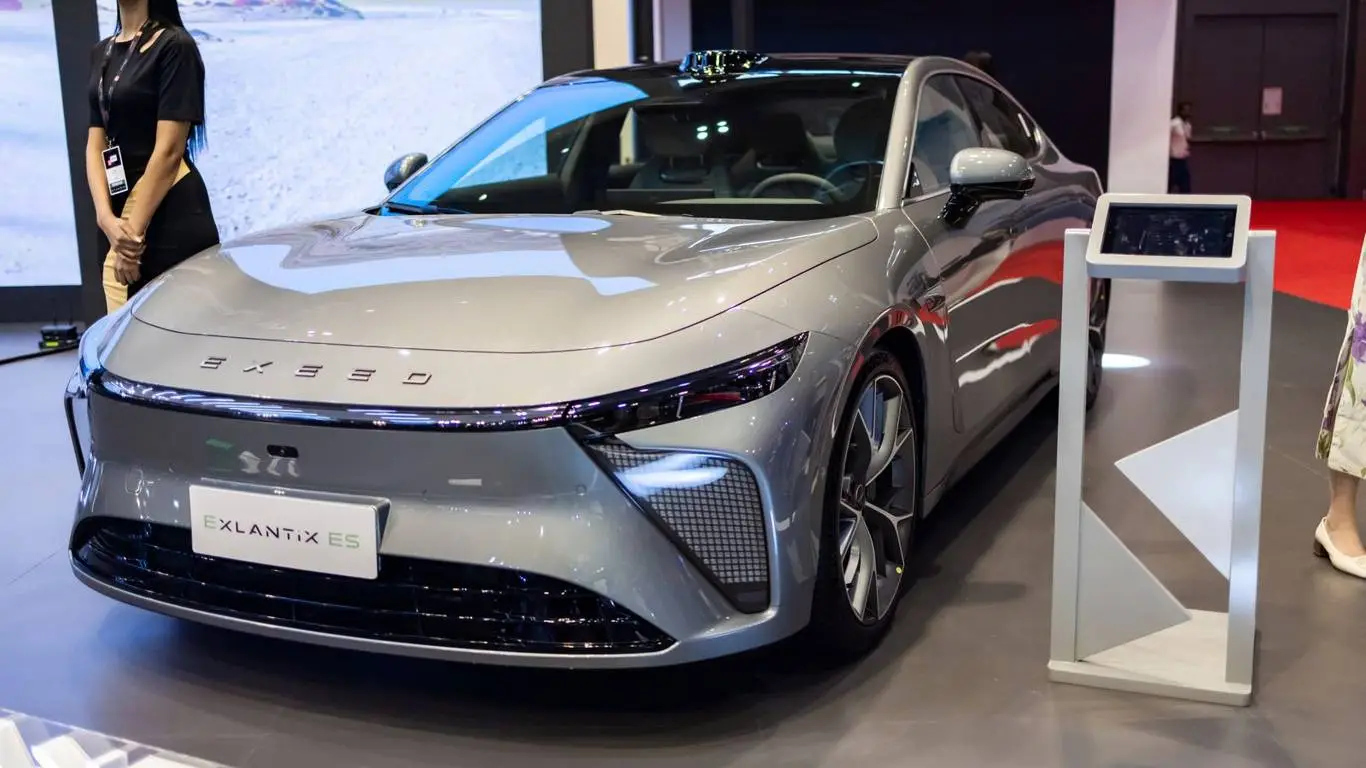
The Exlantix ES looks like a smart bet for Europe: not yet another SUV, but a low electric sedan with strong aerodynamics and a big battery. Yet Chery's model has one odd practical flaw — at almost 5 metres long, its boot is smaller than that of the compact Renault Mégane E-Tech.
Exlantix, Chery Auto's premium arm, plans to bring the ES to Spain in the first half of 2027. The sedan measures 4.95 m long, 1.98 m wide and 1.47 m tall, with a 3 m wheelbase. By size it is almost an executive car; by aerodynamics it is a bid to fight back against SUVs: the drag coefficient is quoted at 0.205.
That figure is not just marketing copy. On the motorway an EV spends much of its energy fighting the air, so a low body can pay off more than yet another battery upgrade. In Spain, sedans account for only 3.5% of the whole market, but among EVs their share is already 12.6% — electrification is effectively bringing back a format that petrol crossovers had almost wiped out.
The Exlantix ES has serious hardware. The electric version gets an 800 V architecture, batteries of 77 or 100 kWh and rear- or all-wheel drive. There is no official WLTP figure yet, but the Spanish source estimates the range at roughly 505 and 610 km respectively. A range-extender version is also planned: in China it uses a 41.1 kWh LFP battery and charges from 20 to 80% in 17 minutes.
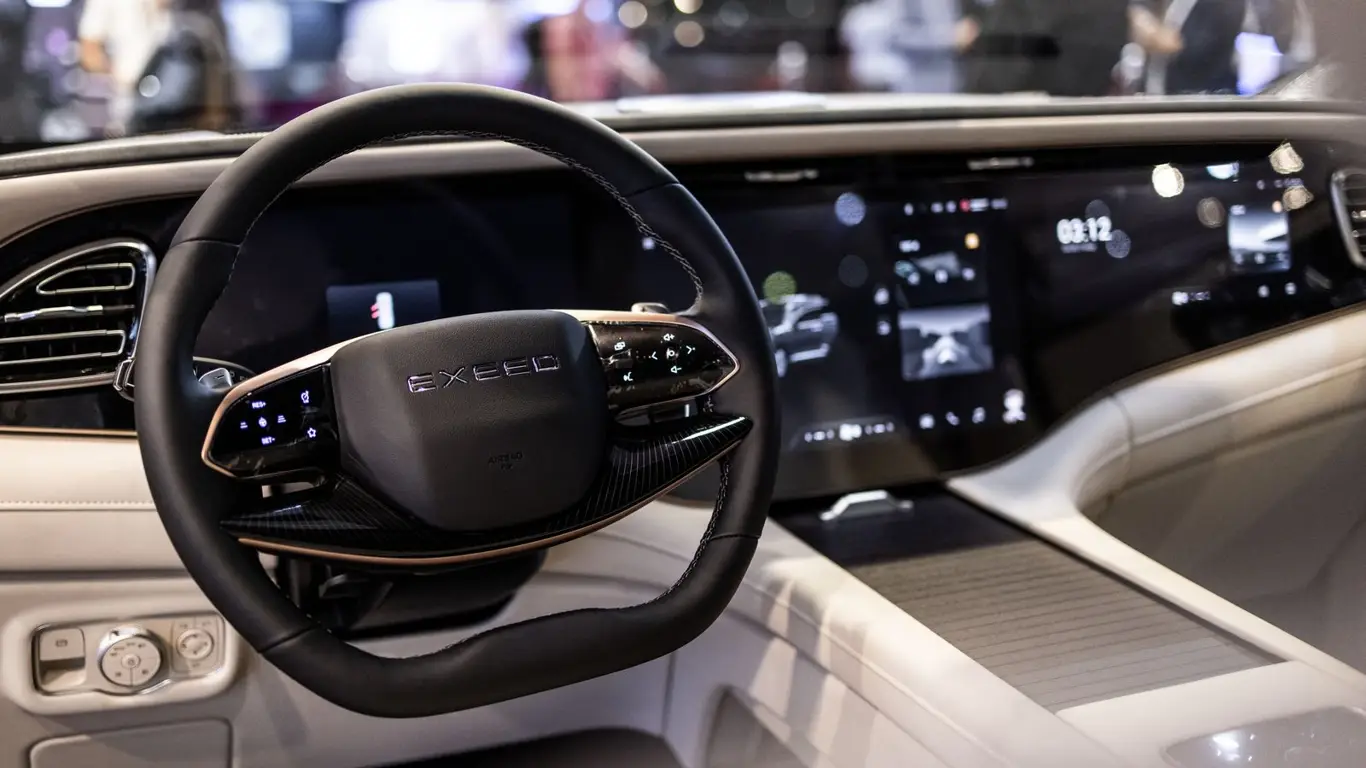
The main drawback is a boot of just 396 L. For a 4.95 m car that is weak: the Renault Mégane E-Tech offers 440 L despite being much shorter, while the hatchback Cupra Born has 385 L. Exlantix hands the space to the cabin, but European family buyers often choose an EV not only for its range, but for its ability to replace the household's only car.
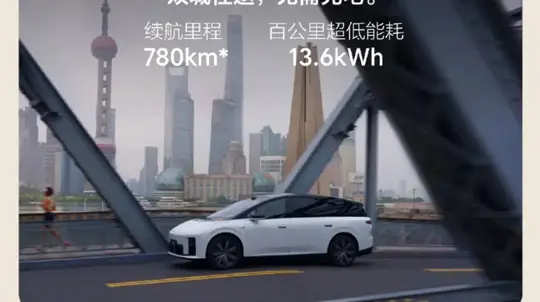
The ES will not be competing against thin air. The Xpeng P7+ already plays the same game: a Chinese electric sedan focused on design, efficiency, fast charging and clearer practicality. The Tesla Model 3 is strong on its charging network and name recognition, the Hyundai Ioniq 6 on aerodynamics and its 800 V platform, and the BYD Seal on its balance of price, power and equipment. Exlantix will have to win not just on numbers, but on price, warranty, software quality and trust in its service network.
The Exlantix ES can win on aerodynamics and battery, but Europe now wants more than just a handsome Chinese EV. Without a strong price and proper practicality, this five-metre sedan risks staying a car for show stands rather than family trips.