J.D. Power Japan automotive technology study 2025: Lexus and Subaru lead
 A. Krivonosov
J.D. Power's Japan Automotive Technology Study 2025 crowns Lexus and Subaru, notes flat fitment, usage up, high EV-tool ratings, and low trust in facial ID.
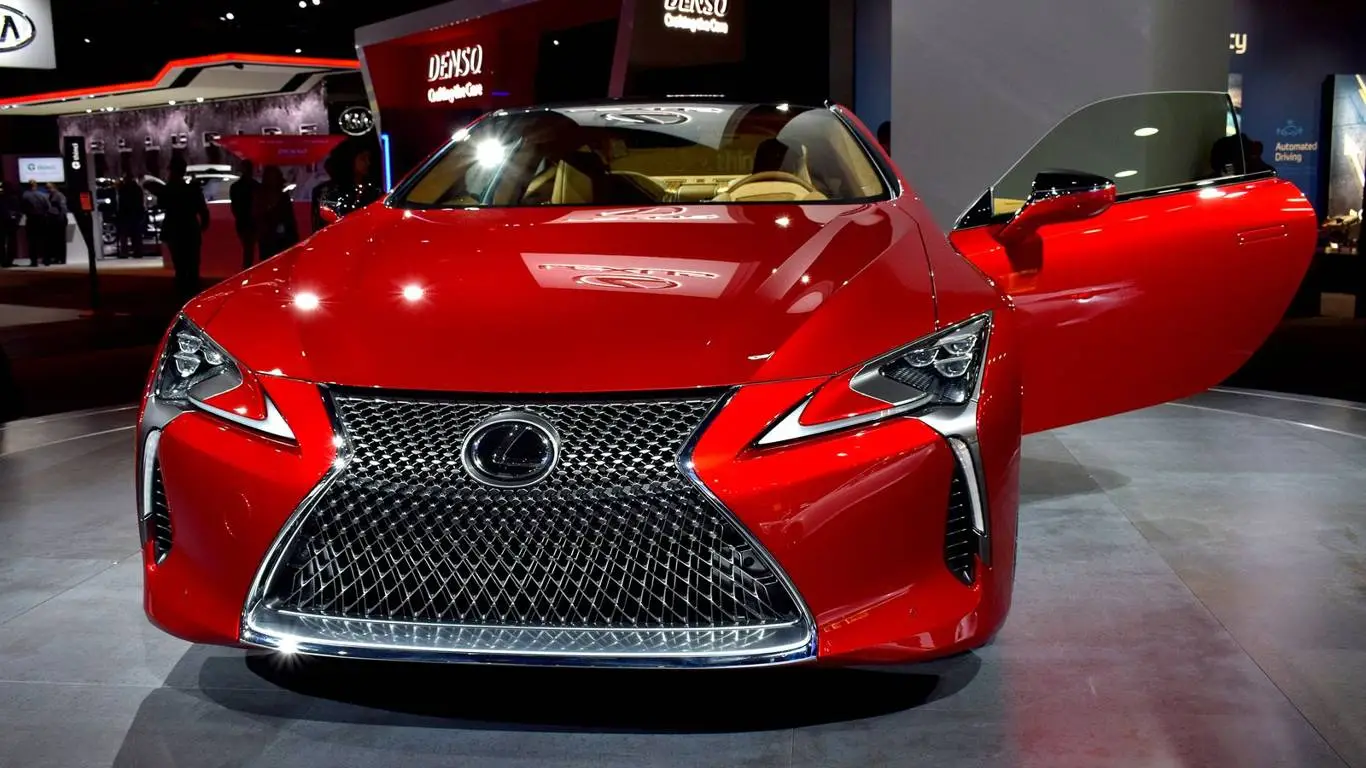
J.D. Power has released its Japan Automotive Technology Experience Study 2025, which gauges how well new cars are equipped with advanced features and how those features actually perform. Lexus held onto the premium crown with 597 points, securing first place for the third year in a row. In the mass-market arena, Subaru finished first for the fifth consecutive year with a score of 541.
The study indicates that equipment levels have barely moved. Of the 18 technologies analyzed, only 12 showed even a slight improvement. Mass-market models posted a modest increase in fitment, while kei cars saw almost no growth, a reminder that rollouts can advance at very different speeds depending on segment.
Usage tells a different story. Owners are engaging with tech more often: 15 out of 16 functions are used more frequently than a year ago. The built-in dashcam leads the pack with a 95% usage rate, whereas external power supply is the least called upon at 61%. The contrast suggests that everyday practicality still drives behavior, while more situational features are activated as needs arise.
Satisfaction, however, favors electric-vehicle tools. External power supply, charge management, and one-pedal driving earned the highest marks. Even if some of these are used less often, owners clearly appreciate their execution when they do rely on them.
Trust is thinner around facial recognition and remote parking assistants. Both received low marks for execution and low willingness for repeat installation, putting their prospects into question unless future iterations markedly improve.
The survey gathered responses from more than 20,000 owners who bought a new car 2 to 13 months ago, making it one of the largest studies of its kind in Japan and lending weight to its snapshot of the market.