Manual vs automatic: a Japanese study says the stick shift keeps your brain sharper
 D.Novikov
Professor Ryuta Kawashima found that driving a manual loads the prefrontal cortex more than an automatic — though it is no cure for dementia on its own.
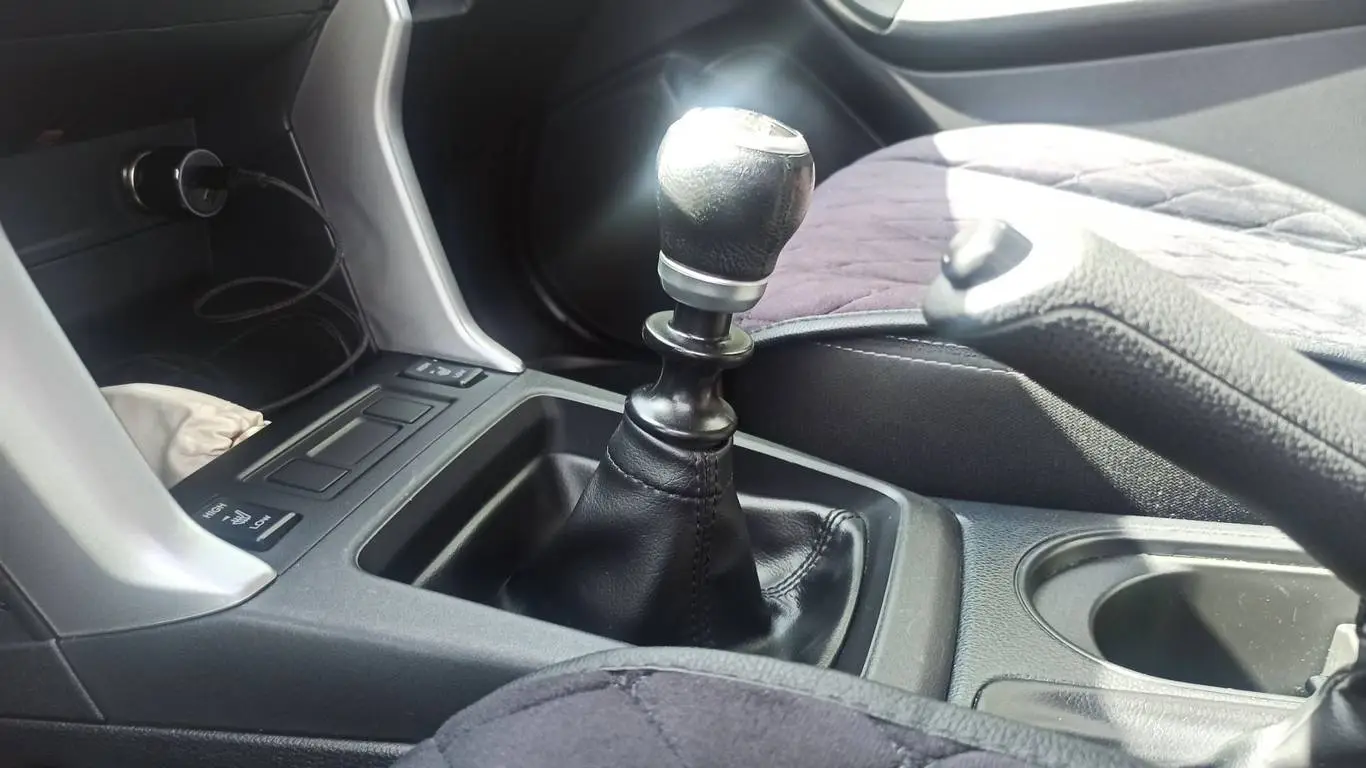
The manual gearbox has all but vanished from new cars, yet the three-pedal setup has found an argument that has nothing to do with nostalgia. Japanese researchers have linked driving a stick shift to greater activity in the brain's prefrontal cortex — the region responsible for memory, attention and quick decisions. For drivers it is no reason to rush out and swap an automatic for a manual, but it is a good reminder: the less a car does on its own, the more the person behind the wheel has to control.
The work is tied to Professor Ryuta Kawashima of the Institute of Development, Aging and Cancer at Tohoku University. He is known not only as a neuroscientist but also as the researcher whose work underpins Nintendo's Brain Age games. According to Best Car, his team compared the brain activity of drivers behind the wheel of manual and automatic cars. The conclusion came as no surprise to anyone who has driven a manual in the city: choosing a gear, working the clutch, managing the throttle, steering and reading the traffic add up to a far more demanding cognitive task.
Kawashima put it plainly: “You have to assess the situation and then choose the optimal gear to match it, and that places a better load on the brain's cognitive functions than driving a passive car with an automatic gearbox.”
But there is a limit to this. The study does not prove that a manual guards against dementia on its own. It is not medical advice, and it is no substitute for physical activity, socialising, learning and proper check-ups with a doctor. A manual is more like an everyday workout for the attention: the driver anticipates the flow of traffic more often, picks the right gear in advance, avoids needless shifts and gets a better feel for how the engine connects to the road.
New cars with a manual still turn up among budget models, but in the crossover segment the market moved long ago to automatics, CVTs and dual-clutch units. An automatic is easier in traffic, cuts fatigue and is often safer for an inexperienced driver. A manual is cheaper to repair, simpler in design and useful as a skill, but it demands a healthy clutch, the right habits and steady coordination. For an older driver or a beginner the choice should start not with a “brain benefit” but with safety: if the clutch, hill starts and shifting pull attention away from the road, there is no benefit to be had.
For those who drive a manual with confidence, though, Kawashima's argument gives the gearbox fresh meaning. A manual does not make a car any more modern, but it keeps the driver a participant, not a passenger behind the wheel.