Zeekr 9X: Five-Seat Version Arrives to Widen the Flagship’s Audience
 D.Novikov / 32CARS
Geely’s flagship hybrid SUV gains a five-seat layout with pre-orders opening July 8, a day before the five-seat Nio ES8. With 1,381 hp and an average price above 530,000 yuan, the 9X shows Chinese premium is now fine-tuning, not catching up.
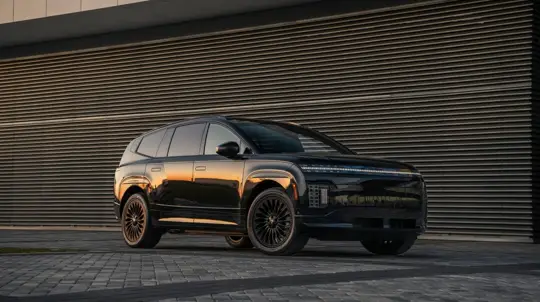
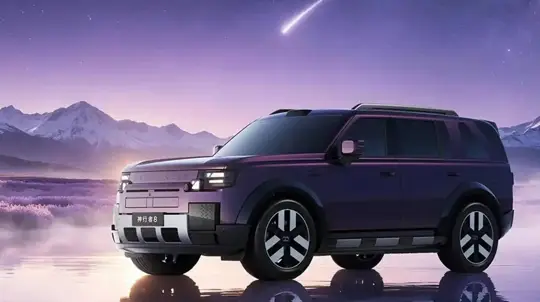
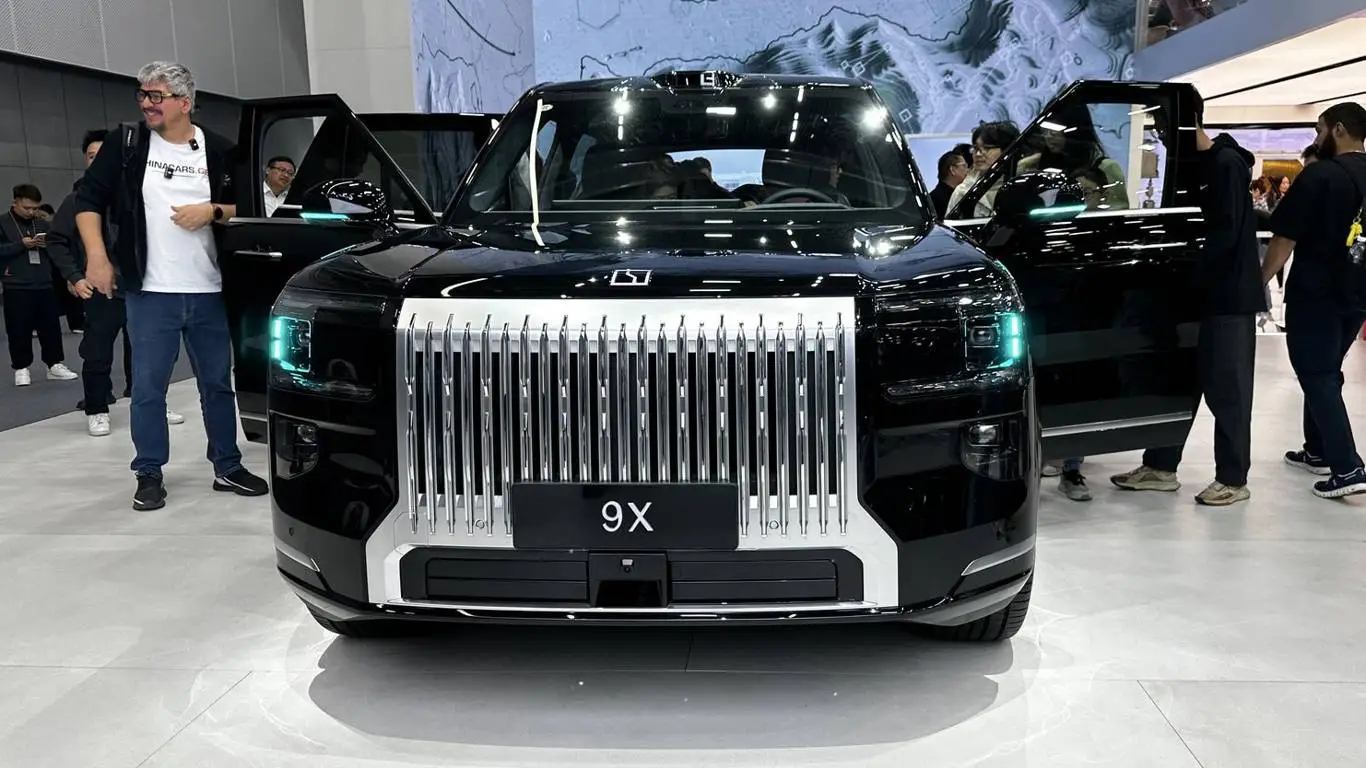
The Zeekr 9X is getting a five-seat version — and this is no minor seat reshuffle, but an attempt to widen the flagship SUV’s audience beyond families who specifically need the six-seat cabin. Pre-orders in China open on July 8, just a day before the official launch of the five-seat Nio ES8. Chinese premium is no longer competing on range and screens alone, but on who most precisely fits the wealthy buyer’s everyday scenario.
The standard Zeekr 9X arrived in September 2025 priced from 465,900 yuan — around $68,620. The average transaction price, according to the company, exceeds 530,000 yuan, or roughly $78,100. For a Chinese brand that is a high level: sums like these once went more often to Mercedes-Benz, BMW, Audi, Porsche or Lexus. Now Geely’s local brand hasn’t merely entered the segment — it has settled into it.
The engineering explains part of the demand. The Zeekr 9X is built on a hybrid version of the SEA architecture and uses a 900-volt high-voltage system. Top trims get a three-motor powertrain with peak output of 1,030 kW, or 1,381 hp. The 0–100 km/h sprint takes 3.1 seconds — supercar territory, even though this is a full-size luxury SUV.
Sales confirm the model hasn’t stayed a showroom curiosity. From January to May 2026 Zeekr delivered 40,487 units of the 9X, including 10,191 cars in March and 8,441 in May. The company says that for seven straight months the 9X led among large SUVs priced around 500,000 yuan, and in the segment above 500,000 yuan every third luxury vehicle sold was a Zeekr 9X.
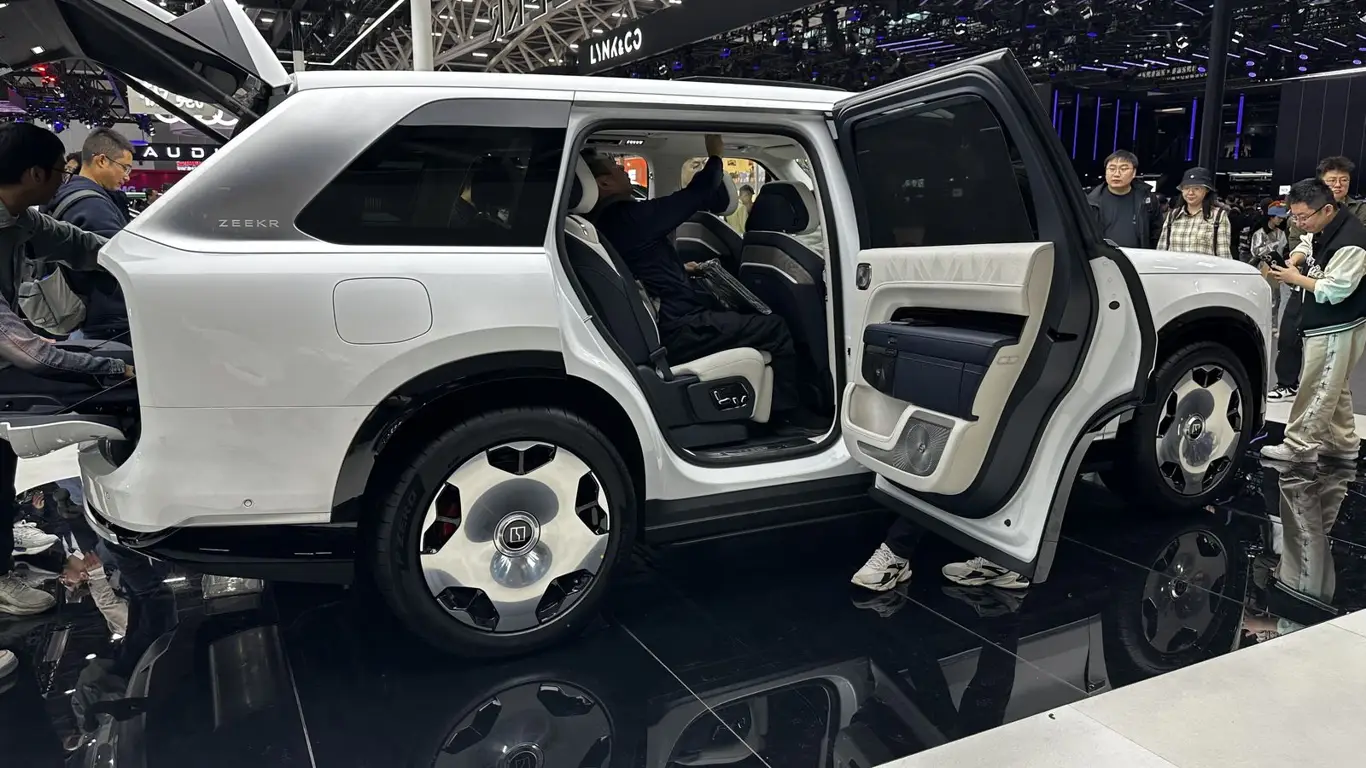
The five-seat version isn’t about cutting costs but about a different usage logic. The six-seat cabin is handy for carrying passengers, yet five seats free up more luggage room and more easily swallow bulky cargo, strollers, sports gear or baggage for long trips. In China this matters most to buyers who want a large SUV not as a tall-bodied minivan, but as a personal premium car with room to spare.
The direct rival is the Nio ES8. Nio’s strong suit is a developed network of battery-swap stations and a polished user service; Zeekr’s is power, hybrid architecture, a high average transaction price and rapid delivery growth. In June Zeekr delivered 35,169 vehicles, up 110.57% year-on-year, and 178,370 cars across the first half. For a premium brand, that is no longer niche statistics but scale.
The five-seat Zeekr 9X shows that Chinese premium has reached the fine-tuning stage: no longer “catching up with the Germans”, but choosing how many seats the customer needs for 500,000 yuan.