BMW Steyr: from V8 engines to hydrogen fuel cells for the iX5 Hydrogen
 press.bmwgroup.com
BMW is repurposing its Austrian Steyr factory hall, which stopped building V8 engines at the end of 2025, into a fuel cell production line for the upcoming iX5 Hydrogen.
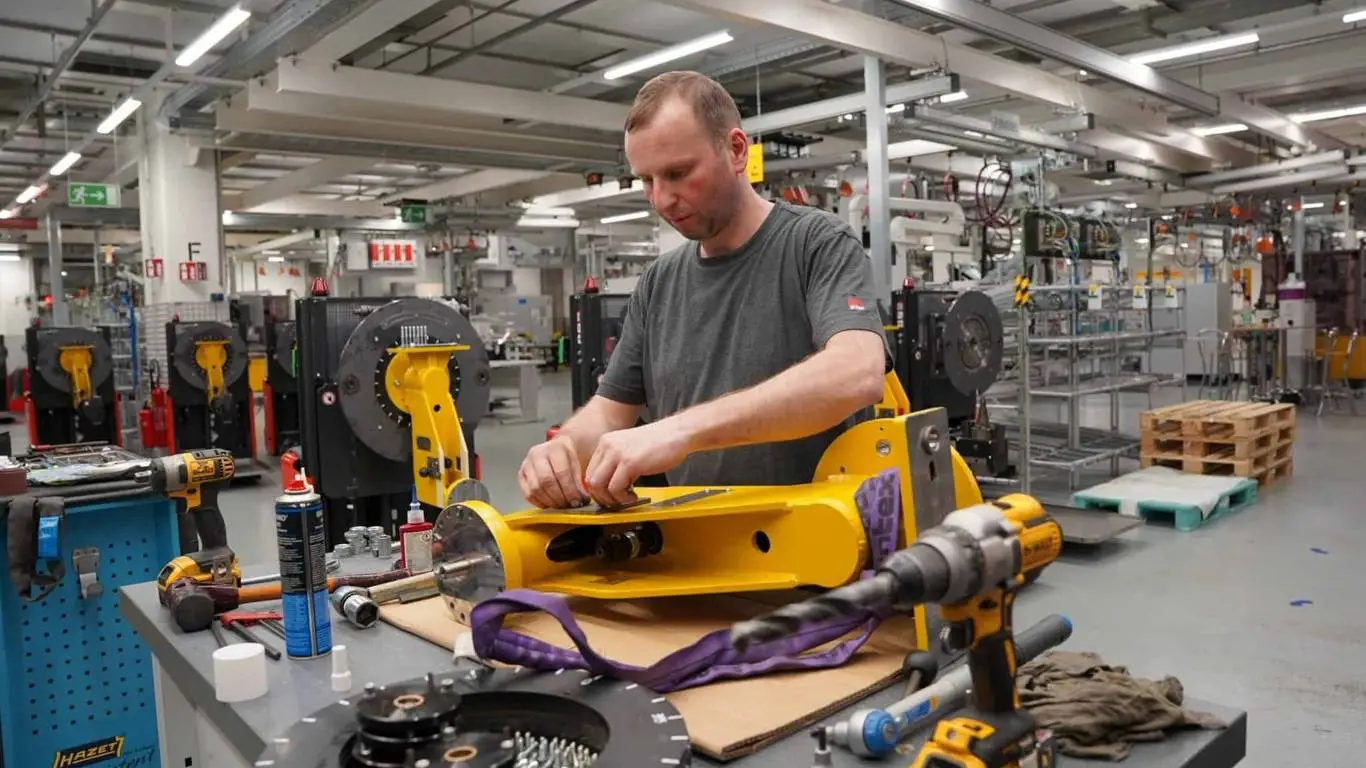
BMW has started converting part of its Austrian Steyr plant from a V8 engine facility into a hydrogen powertrain production site. V8 output here stopped at the end of 2025, and the former engine hall is now being prepared to build fuel cell stacks for the upcoming iX5 Hydrogen.
Initial investment in the conversion will reach €50 million. BMW isn’t starting from scratch: parts of the existing infrastructure will be reused, but the layout and equipment will be reworked substantially. The hall will house a new assembly line with separate stations, with fuel cell modules moved between them on transport carts.
Some of the workers previously assigned to V8 production are already being trained in fuel cell assembly at BMW’s hydrogen competence centre in Munich. About 50 people will be involved in the new process.
Pre-series production of hydrogen powertrains in Steyr is set to launch in 2027. From 2028, the plant will start building the key components for the iX5 Hydrogen — BMW’s first series production model with a fuel cell powertrain. For this version of the X5, BMW is working with Toyota, one of the few major carmakers still investing systematically in hydrogen technology.
Even so, Steyr isn’t leaving combustion engines behind entirely. The plant continues to build inline-six gasoline and diesel units, the B58 and B57, fitted not only to BMW models but also to vehicles from other brands. The V8, meanwhile, is now built exclusively in the UK, at the Hams Hall plant.
The iX5 Hydrogen story shows that BMW isn’t willing to bet solely on battery-electric cars. The next-generation X5 is expected to offer gasoline, diesel, plug-in hybrid, all-electric and hydrogen variants — a rare case of a single SUV covering almost every possible type of powertrain.