Volkswagen doubles down on in-house EV batteries with unified cell, European module production
 B. Naumkin
Volkswagen's PowerCo starts unified EV battery cell production in Salzgitter as VW cuts China exposure and readies Martorell modules for affordable models.
Volkswagen is steadily regaining ground in Europe’s electric race and is doubling down on the EV’s core component: the battery. After a tough spell of restructuring and disputes at German plants, 2025 is shaping up as a year of technological payback. The spotlight is on building high-voltage batteries in-house and cutting exposure to China.
In Salzgitter, Germany, the PowerCo subsidiary has begun series production of a unified battery cell intended to power roughly 80% of the group’s electric models over time. The line is being installed at a site that once produced combustion engines—an unmistakable signal of where VW aims to compete next. Chinese specialists are part of the project, training staff and helping to set up the complex chain from raw-material processing to cell assembly. Integrated well, this transfer of know-how can shorten the ramp to mature quality.
PowerCo’s chief technology officer Thomas Schmall said the in-house cell already matches the cost of a comparable Chinese import once logistics and duties are included, while noting that this is still not sufficient. The group emphasizes that a battery is not merely a container for energy but effectively the EV’s engine: it can account for up to 40% of manufacturing cost and largely dictates range, mass, and charging speed. Cost parity is a milestone, but real advantage will come from scale and disciplined execution.
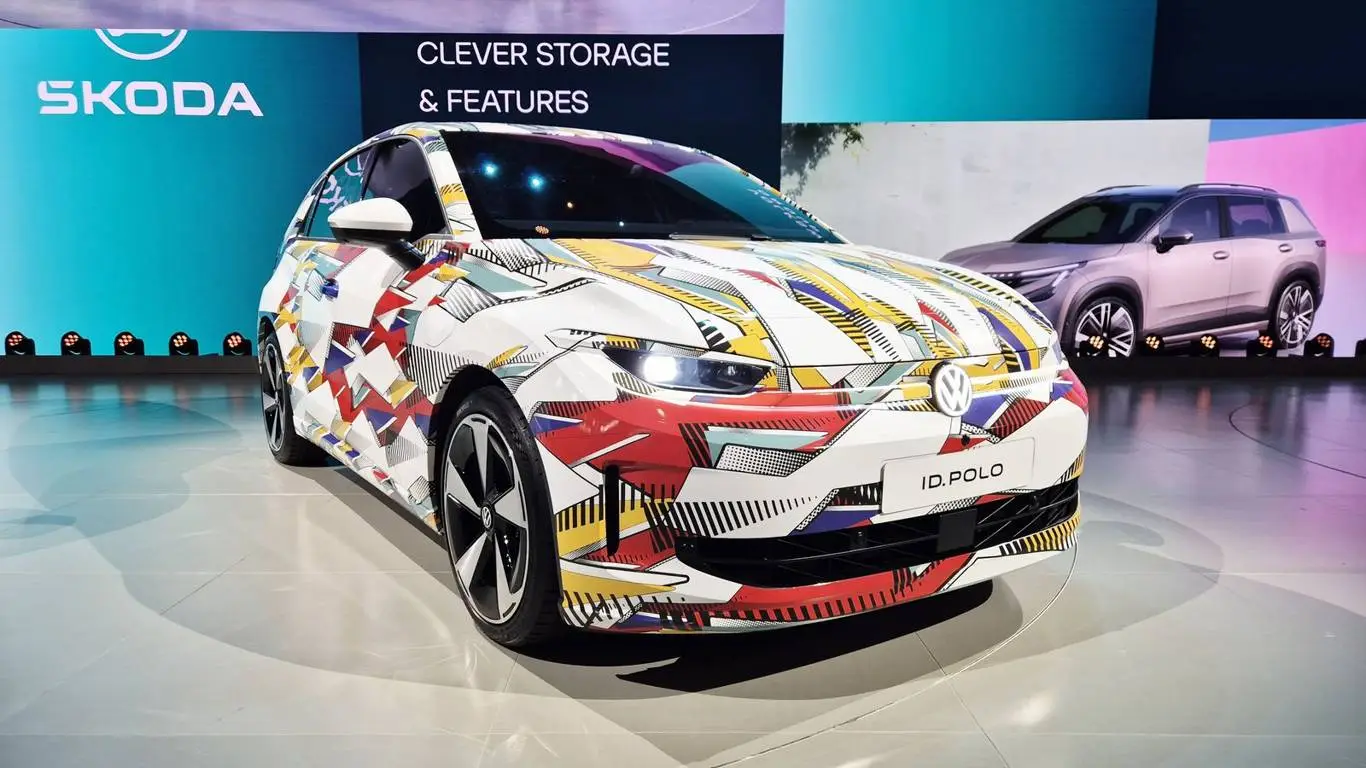
Meanwhile in Martorell, Spain, preparations are underway to assemble battery modules for forthcoming affordable EVs such as the CUPRA Raval and the VW ID. Polo, slated for 2026. The unified architecture accommodates multiple chemistries—from lower-cost, long-life LFP to energy-dense NCM—and can be adapted in the future for sodium or solid-state solutions. If production ramps as planned, that flexibility could give these volume models a useful edge in pricing and packaging.