How relaxed U.S. fuel-economy rules could bring back station wagons
 32cars.ru
With NHTSA easing fuel-economy targets for 2022–2031, U.S. automakers may revisit station wagons as cars; expect lower prices, but higher fuel use and CO2.
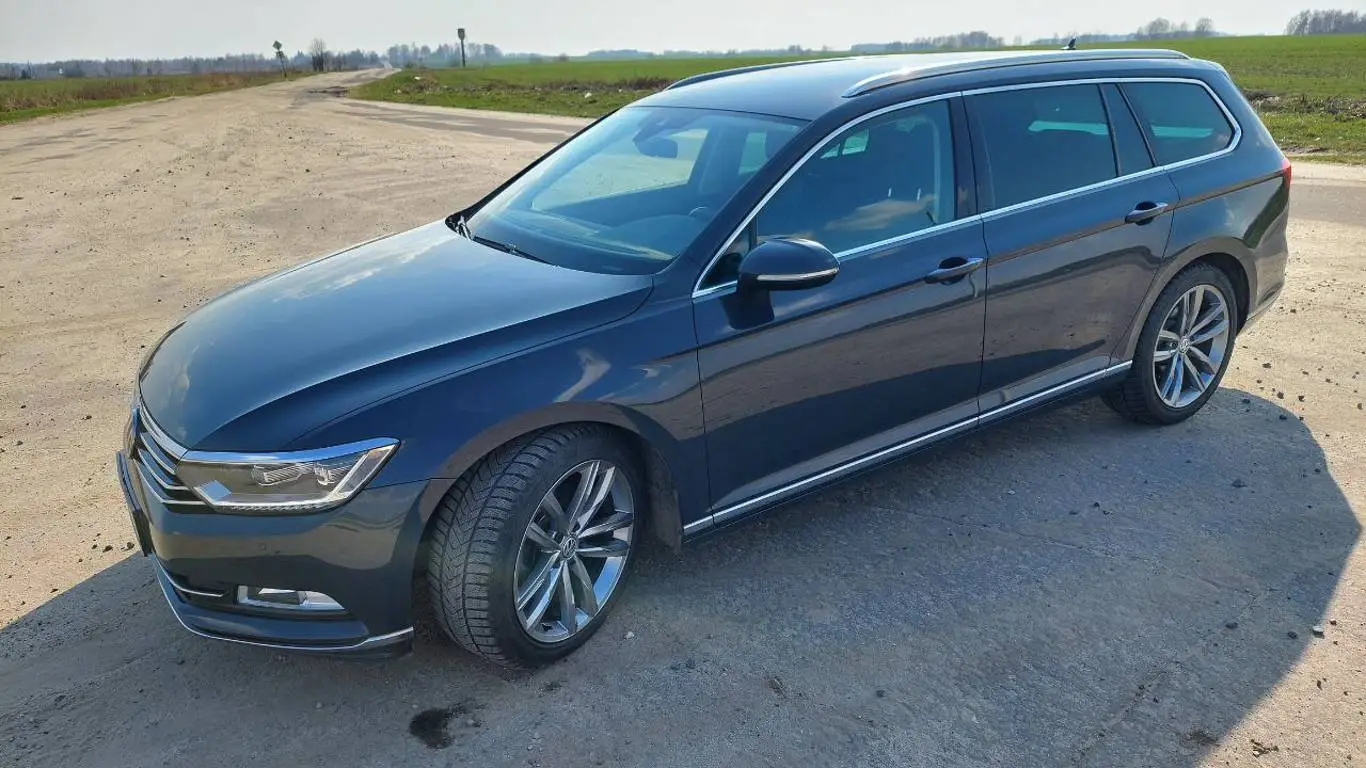
In the United States, an unexpected side effect of revising fuel-economy rules is under discussion: officials concede that station wagons, almost gone from domestic brand lineups, might make a comeback. Transportation Secretary Sean Duffy said on CNBC, with a hint of irony, that the new rules could even bring back the 1970s-style wagon, complete with wood-panel sides.
The regulators’ reasoning is straightforward. The current standards have been pushing automakers to reshape their portfolios in unintended ways, effectively nudging wagons off the stage. An NHTSA document notes that passenger cars face tougher requirements than light trucks, a category in the U.S. that often includes crossovers and minivans. Since a wagon is classified as a passenger car, it starts at a disadvantage when it comes to compliance. On paper, easing that pressure could put wagons back in the conversation—a practical body style that trades height for cargo length without chasing truck-classification benefits.
The plan’s core is to significantly relax fuel-economy targets for model years 2022–2031. NHTSA also estimates this could reduce the average starting price of a vehicle by about $930, while increasing fuel consumption and CO2 emissions over the long run.