Audi Q9: How Hands-Free Driving Works in the Brand's Biggest SUV
 audi-mediacenter.com
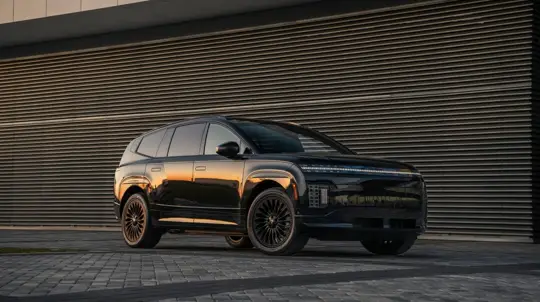
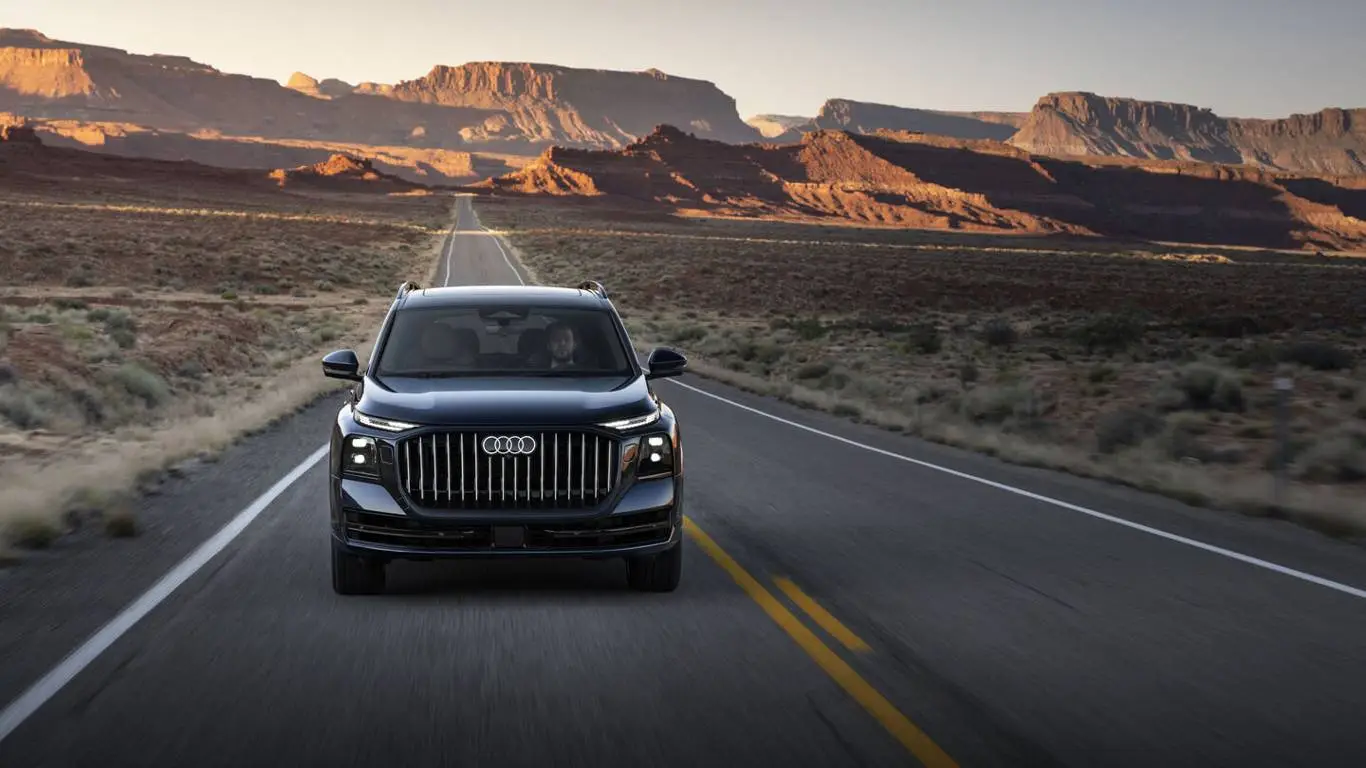
The Audi Q9 is the brand's first model with true hands-free driving. Adaptive Driving Assistant Plus works up to 137 km/h on approved highways in the US, Canada and Germany.
The Audi Q9 is the first current model from the brand to allow extended hands-free driving. The Adaptive Driving Assistant Plus system works on approved highways at speeds of up to 137 km/h (85 mph), independently keeping the car in its lane, accelerating and braking. Tapping the turn signal triggers an automatic lane change if the electronics judge the maneuver safe.
The freedom remains conditional. The system corresponds to SAE Level 2: the driver stays responsible for the vehicle and must keep watching the road at all times. A camera mounted on the steering column tracks head position and eye movement. After a series of warnings, the Q9 will bring itself to a controlled stop if the driver still doesn't respond.
The system relies on a long-range front radar, side radars, a windshield-mounted camera and navigation data. Hands-free driving is offered on the Q9 Premium Plus and Prestige trims; at launch, coverage includes the US, Canada and Germany. The American price for the Premium Plus stands at $93,300, before delivery and taxes.
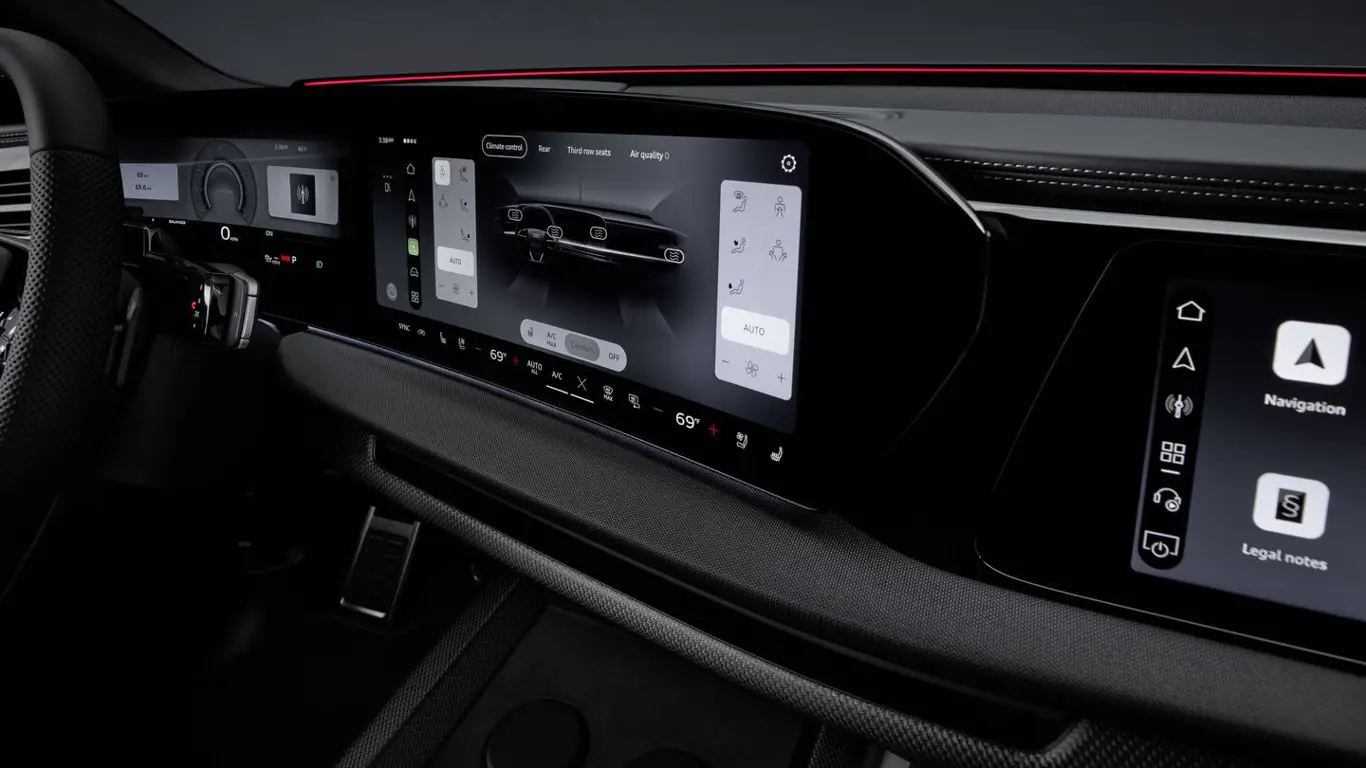
The new system gives the model an important argument against the BMW X7 and Mercedes-Benz GLS: Audi is catching up with its rivals on long-distance comfort rather than on outright autonomy.
The story has come full circle in an unusual way. Back in 2017, Audi unveiled Traffic Jam Pilot, a Level 3 system, for the A8. Nine years later, the production Q9 arrives with the less autonomous Level 2 — but one that works beyond traffic jams and allows speeds up to 137 km/h.
Q9 sales in the US begin in the fourth quarter of 2026. Expansion of the system to the Q7 and other Audi models has only been confirmed as a future plan, with no firm timeline.