How to charge an EV cheaper: night rates, subscriptions and workplace grants
 D.Novikov / 32CARS
Night tariffs, subscription math and a £500 workplace charging grant from April 2026 — practical ways to lower the cost of charging an EV at home and on the road.
Overnight home charging for a Tesla Model Y Long Range in the UK works out to around £1.13 per 100 km, based on a cheap off-peak tariff. On a standard day rate, the same distance costs £3.69 — almost three times as much.
The math is based on Autocar’s measured efficiency of 7.1 km per kWh, or 14.1 kWh per 100 km. The Intelligent Octopus Go night rate starts at 8p per kWh, against an average standard tariff of 26.11p. The formula works everywhere: multiply a car’s consumption in kWh per 100 km by the price of one kWh.
- Accelerate and brake more smoothly. Eco mode softens throttle response, and releasing the accelerator early lets regenerative braking do more of the work. Regen doesn’t create extra energy — it just returns to the battery some of what would otherwise be lost as heat in the brakes.
- Get most of your energy at home. Home charging is usually cheaper than public charging and skips the extra trip to a station. Before buying an EV, check your available supply capacity, your wiring, and whether a home charger can even be installed — without your own outlet, the whole cost equation changes.
- Shift charging to cheap hours. Intelligent Octopus Go offers a six-hour window from 11:30pm to 5:30am, though other suppliers set their own schedules. There’s no universal rule like “charge from midnight to six” — check your own contract or app for the actual window.
- Work out subscriptions in kWh. IONITY’s Power Monthly plan in the UK costs £10.50 a month. The subscriber rate is 47p per kWh versus 79p through the app without a plan. That 32p gap covers the subscription cost after roughly 33 kWh of charging. Prices vary by station, so redo the sum with current app data.
- Compare direct payment with roaming apps. One app or card can bundle several networks, billing and discounts — convenient, but a roaming middleman doesn’t always offer the lowest price. It’s worth comparing its rate against the operator’s own price before starting a session.
- Charge at work. Charging in an employer’s car park cuts reliance on expensive fast chargers. The UK’s Workplace Charging Scheme now covers installations completed after 1 April 2026 with a grant of up to £500 per socket. The cap is 40 sockets per applicant, and the scheme covers no more than 75% of equipment and installation costs.
- Precondition the battery and cabin ahead of time. In cold weather, it’s cheaper to warm up the cabin and battery while the car is still plugged in at home. On the road, heated seats and a heated wheel usually use far less energy than heating the whole cabin.
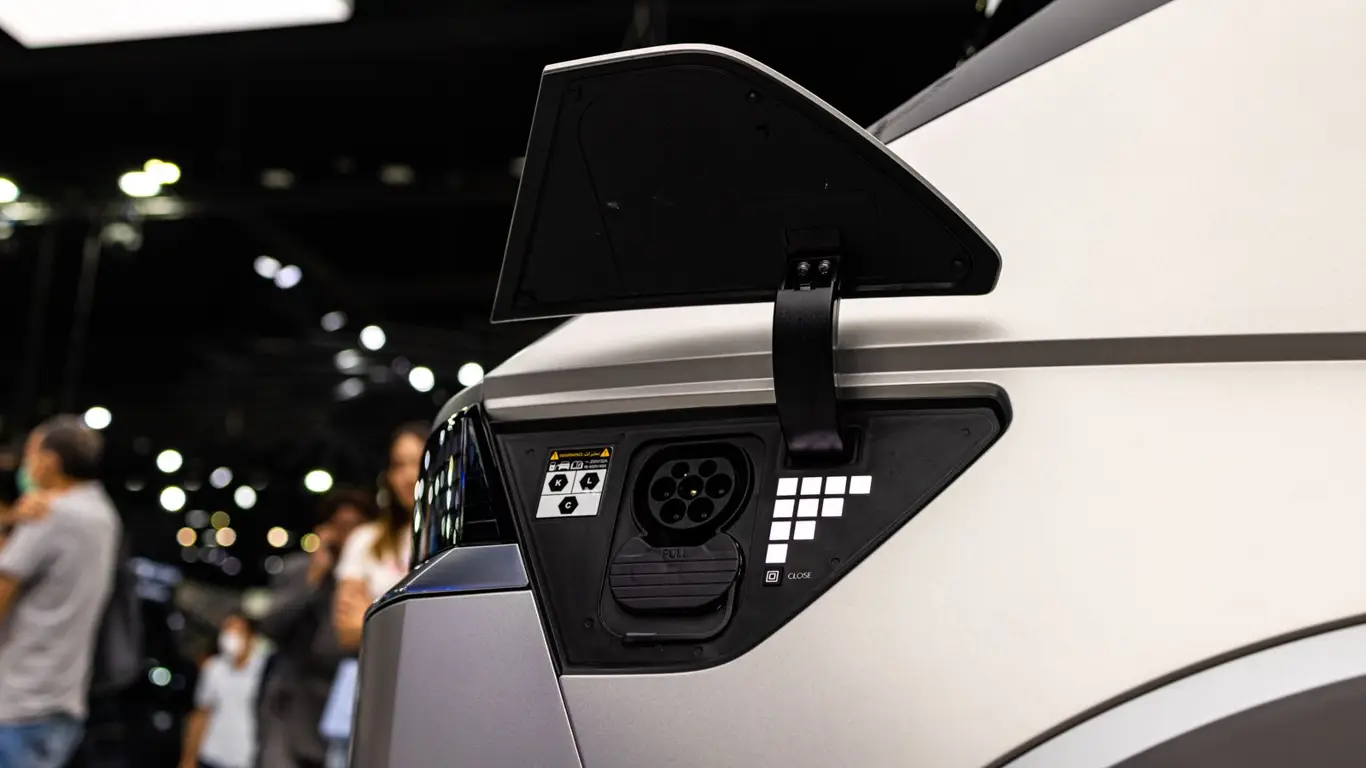
Preconditioning before a fast charge helps the battery accept high power sooner and cuts stop time. But if you’re only paying per kWh, a shorter session isn’t automatically cheaper. The savings show up when the operator charges by time, adds extra fees, or when some of that preconditioning energy came from a cheap home tariff.
For everyday driving, the most predictable setup is a home charger, a night tariff and scheduled preconditioning. A public network subscription is worth buying only after doing the math: divide the monthly fee by the discount per kWh to find the minimum charging volume where the plan starts saving money.