Range Rover SV Ultra: Inside the $12,570 Electrostatic Sound Option
 Jaguar Land Rover
SV Electrostatic Sound uses 21 electrostatic panels instead of magnets and coils, and JLR says it reacts up to 1,000 times faster than a traditional speaker.
The Range Rover SV Ultra is the debut vehicle for the world’s first production electrostatic car audio system. For SV Electrostatic Sound, buyers have to pay a sum comparable to the price of a used car. InsideEVs puts the option at $12,570 on some variants. The status of the equipment depends on the version: JLR lists the system as an option across Range Rover SV models, including SV Ultra.
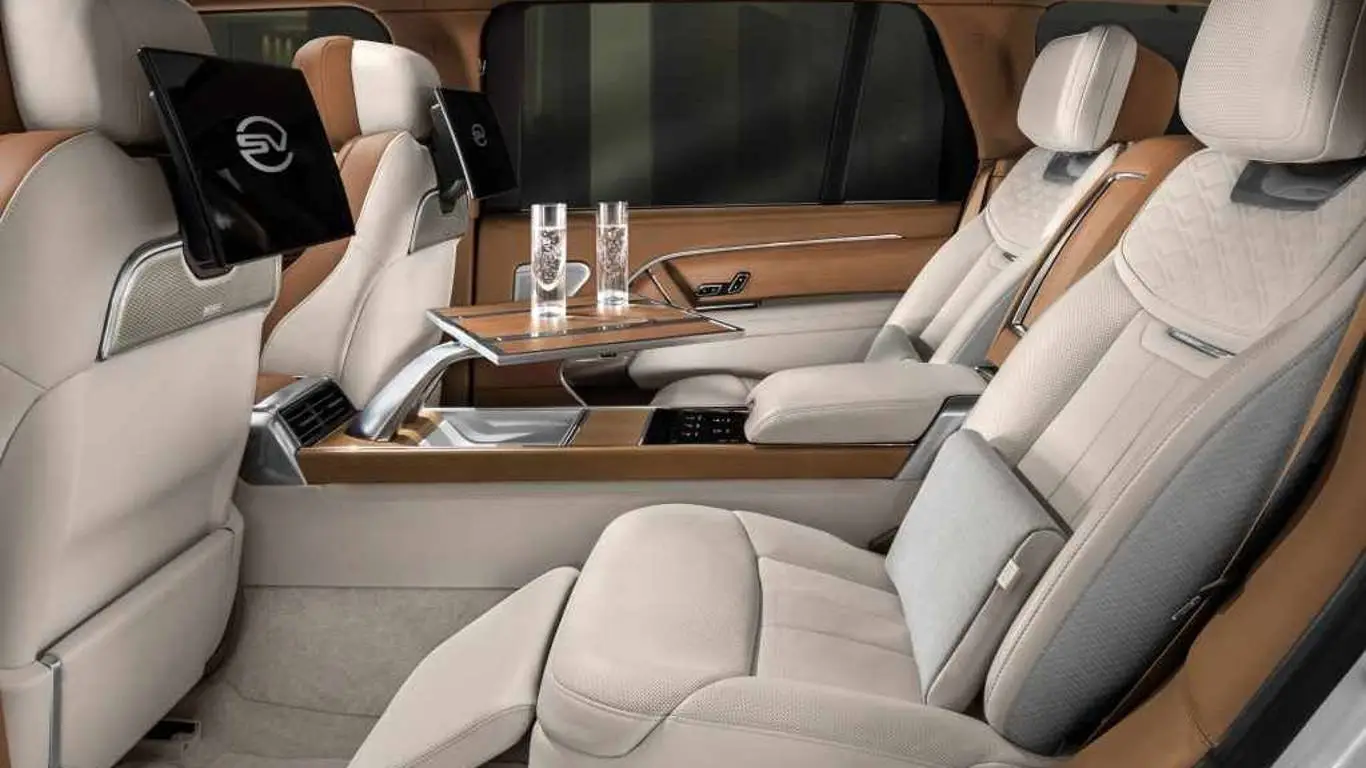
Buyers aren’t simply paying for more speakers. The cabin gets 21 electrostatic panels built into the headrests, seatbacks, headliner and the usual speaker locations. Low frequencies are still handled by five conventional bass speakers, and haptic transducers in the seats and floor let occupants physically feel the rhythm. So calling the whole system “fully electrostatic” isn’t technically accurate.
In a conventional speaker, sound is produced by a voice coil, a magnet and a moving assembly attached to a cone. Here, a flat membrane just 1mm thick is suspended between two perforated metal plates. According to the manufacturer, it reacts up to 1,000 times faster than a traditional speaker. That’s meant to cut latency and distortion, especially when reproducing voices and complex instrumental passages.
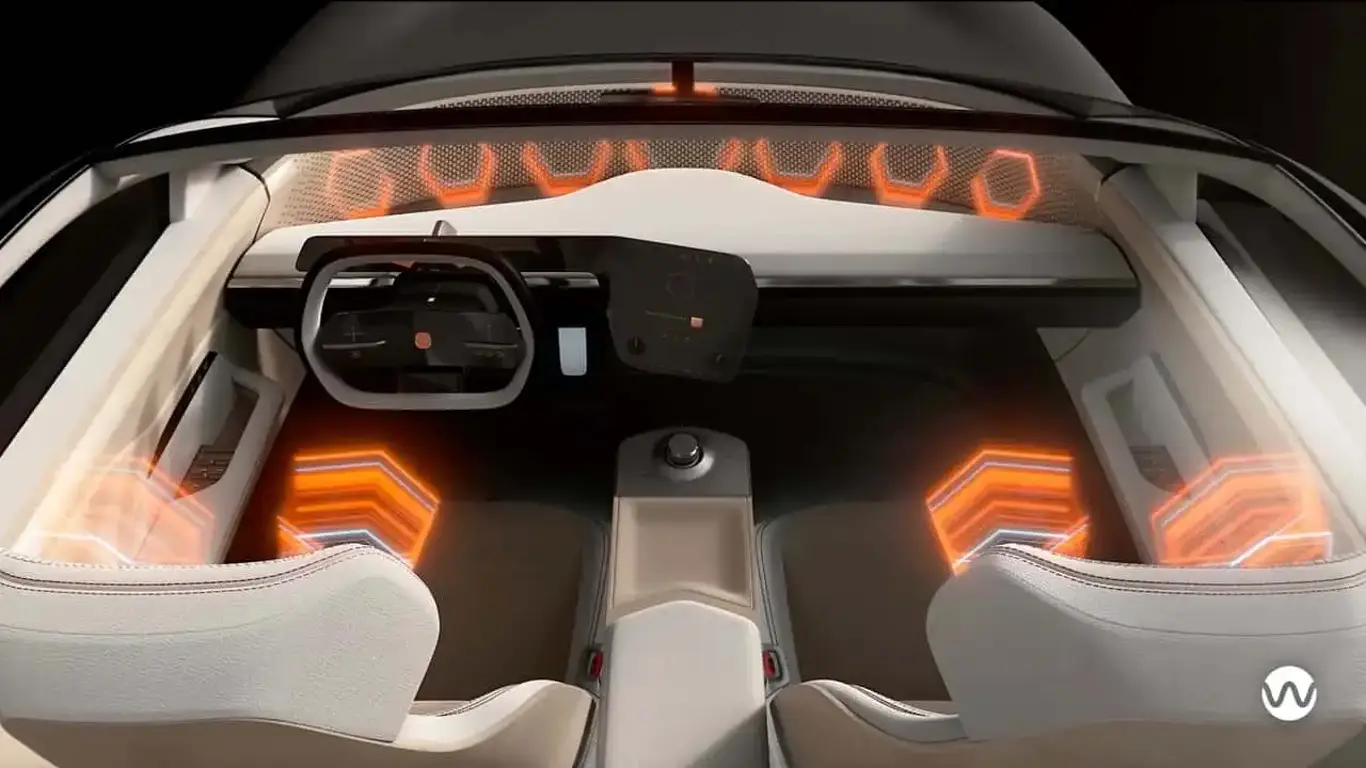
JLR also claims up to 90% less mass and power draw for the acoustic elements being replaced. Electrostatic panels don’t require rare-earth magnets. Developer Warwick Acoustics calculated that a system like this could theoretically add up to 32km of range to an EV with a 100kWh battery. That’s the company’s own estimate, not a result of Range Rover certification testing, so it shouldn’t be treated as a guaranteed gain.
The intensity of the haptic effects can be reduced or switched off entirely. Before ordering, it’s worth testing the system on familiar tracks, comparing the sound with the Body and Soul seats and Sensory Floor switched on and off.
There’s also a service question. The electrostatic elements are built into expensive interior trim, so it’s worth getting written confirmation of the warranty covering the panels, amplifier, seat transducers and software before buying.
Range Rover tested the system for more than 1,000 hours at temperatures from −20°C to +65°C. That confirms the factory-level engineering checks, but there’s no long-term ownership data yet. The near-$13,000 upgrade is worth it only after a personal listening session — the specs alone can’t tell a buyer whether they’ll actually like the sound.