Stellantis Closes PureTech Engine Line at Douvrin: What It Means for Owners
 D.Novikov / 32CARS
Stellantis will stop making the 1.2 PureTech engine at Douvrin on October 30, 2026, as the plant shifts to EV battery output. Owners still get extended warranty coverage.
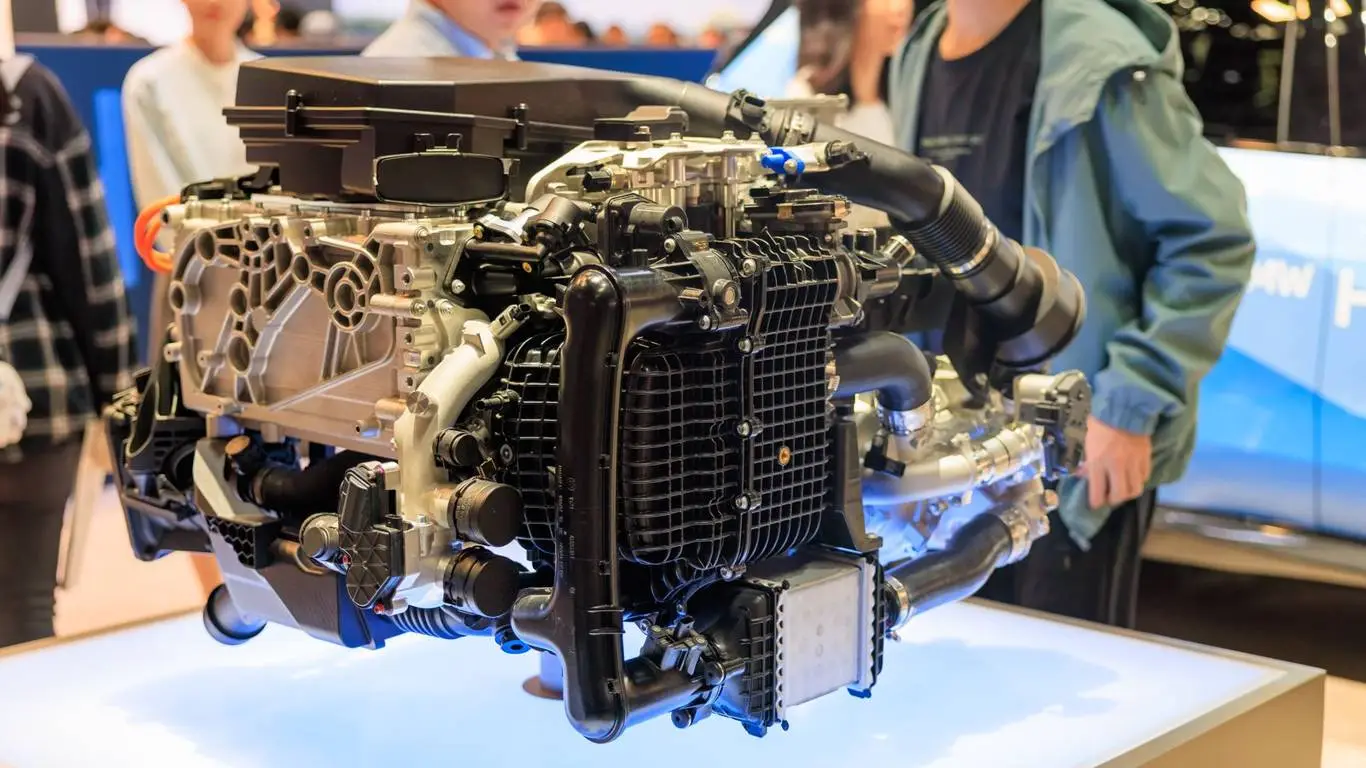
Stellantis will end production of the 1.2 PureTech petrol engine at its Douvrin plant in France on October 30, 2026. But the closure isn’t just about the engine’s reliability problems: the group has been shifting its French sites from combustion-engine production toward EV batteries and other electric-vehicle components for some time.
The plant began operating in 1969 as Française de Mécanique, founded by Peugeot and Renault. Over 57 years it built more than 40 million engines, including the V6 PRV, the 1.5 BlueHDi diesel and the 1.2 PureTech petrol unit. BlueHDi production ended on November 1, 2025, and the shutdown of the last petrol line effectively leaves the site without its main output.
Some staff have already moved to the ACC battery plant, which opened nearby in 2023. 340 employees have transferred there, and another 337 have been offered internal transfer, external placement, or a senior-worker program. As of July 16, fewer than 50 permanent employees and about 50 temporary workers still had no final placement.
For owners of Peugeot, Citroën, DS and Opel models, the plant closure doesn’t automatically mean an end to parts supply or service programs. Stellantis officially offers extended coverage of up to 10 years or 180,000 km for earlier generations of the PureTech 1.0 and 1.2, under certain conditions. It covers excessive oil consumption and premature timing belt failure.
The company is also reviewing claims from European customers who paid for related repairs between January 1, 2022 and December 31, 2024. Compensation requires documented maintenance under the program’s schedule, and diagnosis and repair must meet the program’s rules.
When buying a used PureTech car, what matters most isn’t the plant closure itself but the production year and service history. Ask for maintenance invoices, records of belt replacement or inspection, oil consumption data, and diagnostic results. Missing documentation is riskier here than high mileage — without it, there’s no way to confirm the extended warranty conditions were met.