Horse’s New D20 Engine Starts at -40°C on Methanol — but Regular Gasoline Won’t Turn the Wheels
 horse-powertrain.com
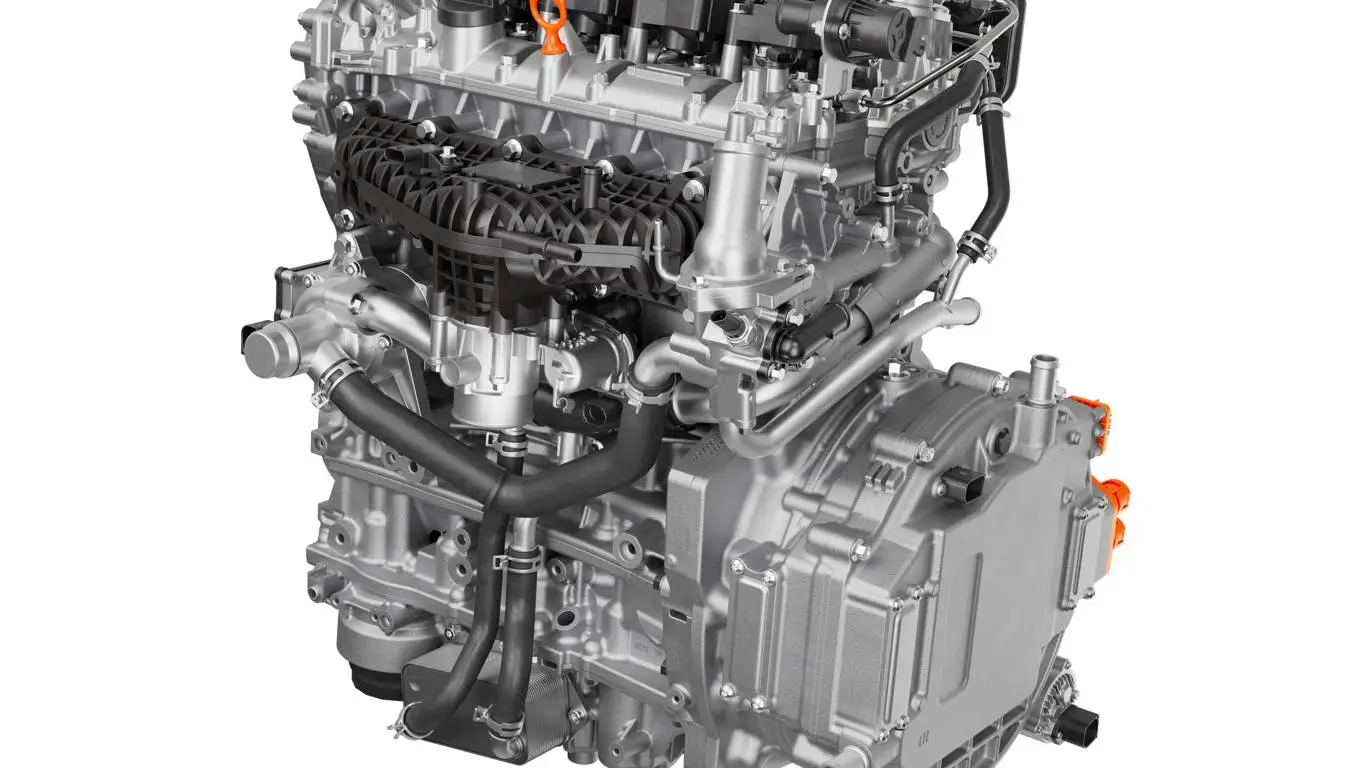
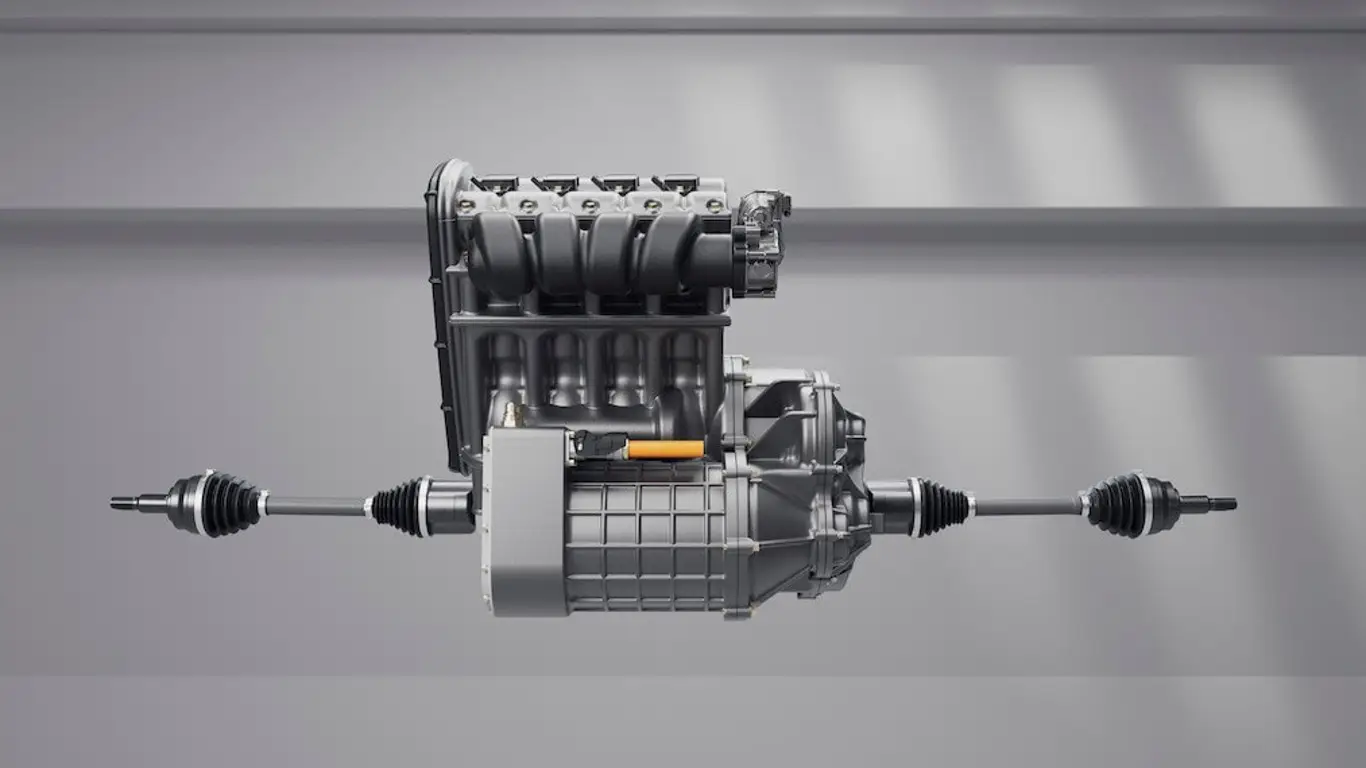
Horse Powertrain has detailed its D20 methanol range extender: a 2.0-liter turbo engine paired with an axial-flux motor that can cold-start at -40°C but can’t run on regular fuel.
Horse Powertrain has revealed the specs of its methanol-fueled D20 range extender. This isn’t a conventional engine that drives the wheels directly — it’s part of a hybrid system that generates electricity for the drive unit. The key catch: the unit is built for pure methanol, so pouring in gasoline without a separate adaptation simply won’t work.
At the core of the system is a turbocharged four-cylinder engine with a displacement of 1.974 liters and direct methanol injection. A high-energy ignition system enables cold starts down to −40 degrees Celsius. Continuous electrical output is rated at 100–120 kW, roughly equivalent to 136–163 horsepower.
The claimed 2 kWh of electricity per liter of fuel means roughly 20 liters of methanol would theoretically be needed to produce 40 kWh. But translating that figure directly into consumption per 100 km isn’t accurate: Horse hasn’t yet named a vehicle, its weight, aerodynamics, battery capacity, or the specific powertrain’s losses. So the mileage estimates published by other outlets remain projections, not certified figures.
Methanol has a lower energy density than gasoline or diesel, and its chemical properties demand corrosion-resistant lines, seals, and injectors. The environmental impact also depends on how the fuel is produced: methanol made from coal or natural gas and renewable e-methanol carry very different carbon footprints.
Horse hasn’t said which production model will be first to get the D20 or when output will start. For now the system is mostly a technical curiosity: until an actual vehicle, confirmed shipments, and accessible M100 fueling exist, it’s too early to judge running costs, serviceability, or winter reliability.