Just 8 Cars, But Serious: Kia Recalls EV6 and EV9 for a Battery Defect
 D.Novikov / 32CARS
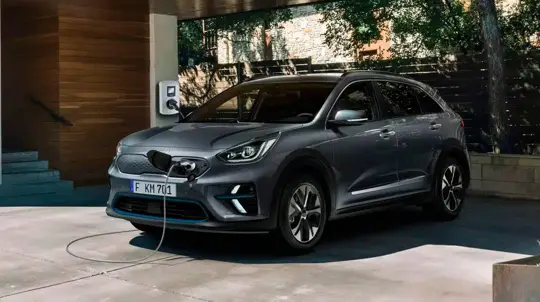
NHTSA campaign 26V431 covers seven Kia EV6 and one EV9 built in narrow production windows, after a supplier defect raised the risk of an internal short circuit and fire.
Kia has launched a small but serious recall in the U.S.: only eight vehicles are affected, but the issue involves the high-voltage battery and a fire risk. Owners are told directly not to park the cars next to buildings or other vehicles and not to charge above 80% until the repair is done.
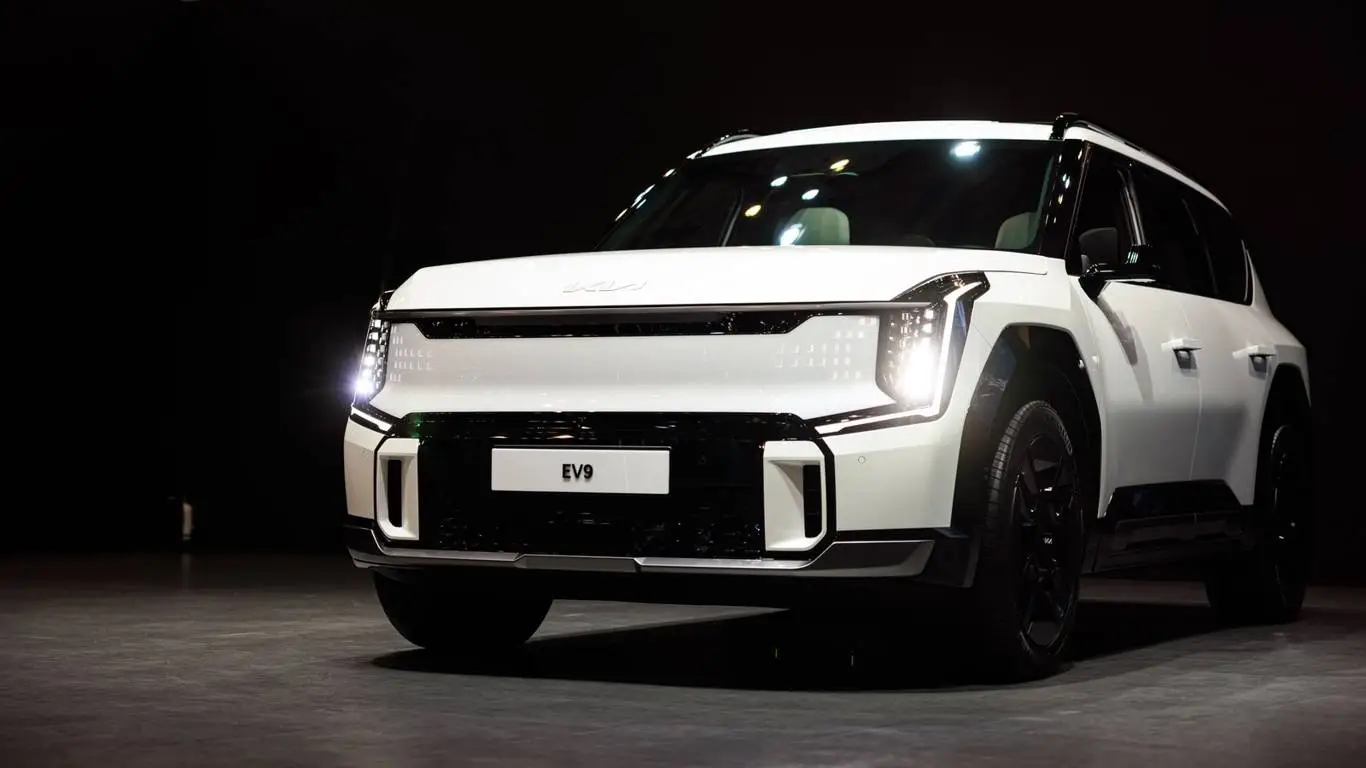
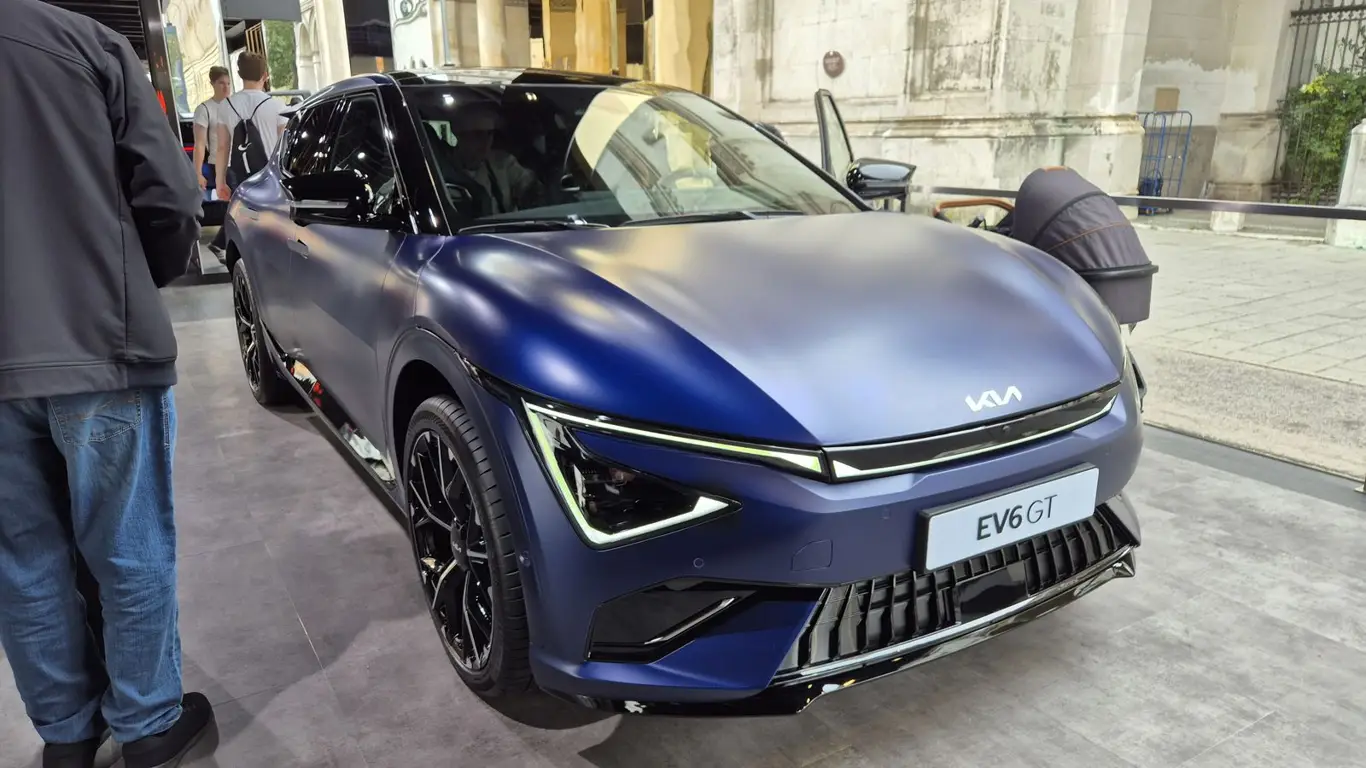
NHTSA campaign 26V431 covers seven Kia EV6 units from the 2022–2024 model years, built between December 30, 2021 and September 14, 2023, plus a single 2024 EV9 built on October 28, 2023. Kia’s internal number for the campaign is SC375. According to the manufacturer’s Part 573 filing, the estimated defect rate is 100% — not across every EV6 and EV9 built, but within this specific eight-vehicle population, identified through production and supplier records rather than VIN sequence.
The cause is a supplier quality deviation: certain high-voltage battery cells may have been produced with a misaligned electrode. Over time, that can lead to an internal short circuit and a fire while the car is parked or being driven. The supplier is named as SK On Co., Ltd.; the filing states there is no warning sign a driver would notice beforehand.
The fix is drastic: dealers will replace the entire high-voltage battery assembly free of charge, not just a single module. Dealers are set to be notified in late July, owners by first-class mail starting August 7, 2026, and VINs should become searchable on NHTSA’s site from July 17. The timeline shows Kia North America first learned of a Korean-market EV6 fire investigation on June 16, received Kia HQ’s Korean recall decision on June 25, and decided on June 29 to recall the seven EV6 and one EV9 in the U.S.; no fires, crashes, injuries, or fatalities have been reported in North America.
For owners, the steps are simple: check the VIN, cap charging at 80%, park outdoors away from other vehicles and structures, and wait for the dealer to replace the battery. For an EV, this isn’t “caution for the sake of a bulletin” — a defect inside a cell isn’t something a driver can spot, and diagnostics without dealer-level data may show nothing at all.
A recall this small doesn’t make the EV6 or EV9 broadly unsafe, but it’s a clear reminder of the biggest risk with grey-market EV imports: one missed recall can cost far more than any discount at purchase.