Hyundai Faces Strike Threat in Korea: Tucson, Santa Fe and Palisade at Risk
 A. Krivonosov
Hyundai's Korean union has voted to authorize a strike, demanding 30% of net profit and safeguards against AI and robotics on the line. Exports may be hit.
Hyundai is facing a new risk in the very place where its production strength normally lies — its South Korean plants. The union has voted to authorize a strike after talks on wages, bonuses and working conditions broke down. For buyers, this is not just an internal Korean story: if the lines in Ulsan and other sites come to a halt, the delays will quickly reach export markets.
The union’s demands are tough: a base pay increase, a sizeable bonus worth 30% of net profit, and stronger job guarantees. Another sore point is automation. Hyundai is moving fast on AI, the Atlas humanoid robots from Boston Dynamics and new production processes, and workers want a say in how these technologies enter the factories. Their fear is understandable: today the robot helps with a dangerous task, tomorrow the company may rethink headcount.
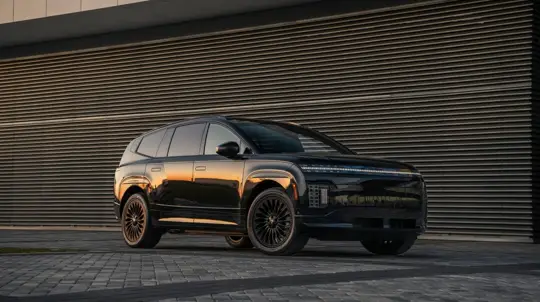
The timing is awkward for Hyundai. The group is already operating under pressure from US tariffs, expensive logistics, soft demand for parts of the EV lineup, and fierce competition from Toyota, Kia, BYD and Tesla. A strike would hit not flashy concepts but real cars: Tucson, Santa Fe, Palisade, Ioniq 5, Ioniq 6 and other models tied to Korean production or components. Even a short stoppage can shift delivery schedules and squeeze availability of popular trims.
What matters to buyers is not union slogans but consequences. If the dispute drags on, dealers may receive fewer cars, discounts will become more cautious, and the wait for the right color, engine or trim — longer. This is especially sensitive in markets where Hyundai competes not only on price but on delivery time: while one customer waits for a Santa Fe, another may switch to a Toyota RAV4, Kia Sorento, Honda CR-V or a Chinese SUV.
For Hyundai itself, the dispute is dangerous also because it is about the future of the factory. The company wants to move faster on robotics and EVs, while the union demands its share of the profit and protection from technologies that may reshape the assembly worker’s job. This is no longer an ordinary pay bargain.
If Hyundai settles quickly, the market will barely notice the conflict. If not — the next problem will be not the prices on the sticker, but empty slots in the production schedule.