Mini Countryman S All4 vs Audi Q3 TFSI quattro: Mini takes the win
 mini.com.au
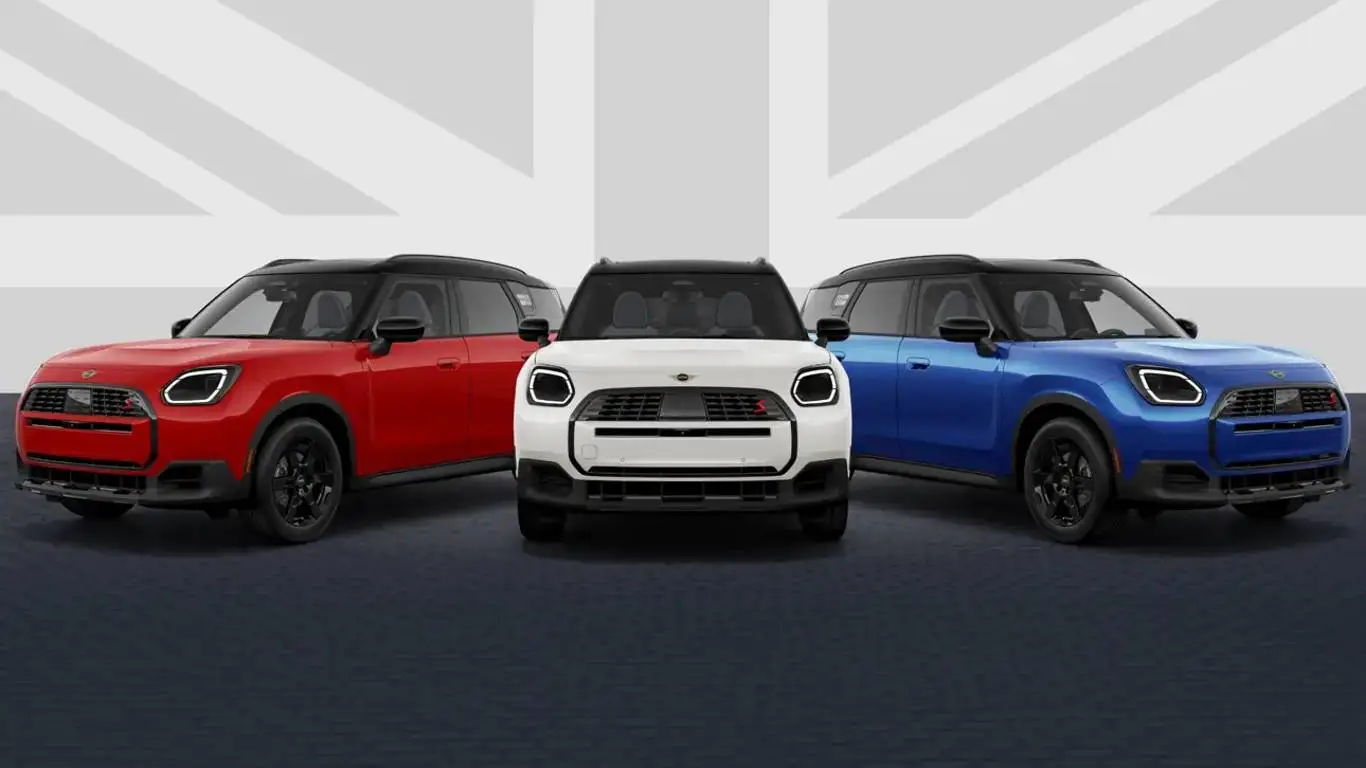
AUTO BILD pits the Mini Countryman S All4 against the Audi Q3 TFSI quattro. Mini wins on pace, fuel use and price; Audi takes comfort and cabin tech.
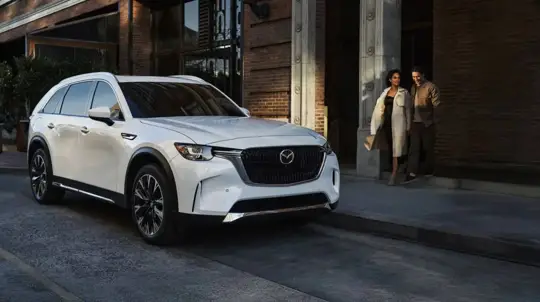
Audi Q3 and Mini Countryman S All4 are playing on the same field: compact premium SUVs with petrol engines, all-wheel drive and a price tag you already want to justify with more than just a logo. In a comparison test by AUTO BILD, the win went to Mini — though Audi proved stronger in a few important details.
The new Audi Q3 is built on the Volkswagen Group’s MQB Evo platform. The current Mini Countryman uses the FAAR architecture, shared with the BMW X1. The two are close on interior space, but the feel is different. Up front the Audi gives more legroom and shoulder room, and its optional sport seats offer better body support. The Mini’s seating is a touch more compact, but its more upright body makes the cabin feel airier.
In the back, both SUVs work for adult passengers. The Q3 already comes with a longitudinally adjustable rear bench with reclining backrests as standard, while in the Mini the feature is part of the S package. On boot space the Countryman is slightly ahead: 1450 litres maximum against the Audi’s 1386. The Q3, on the other hand, takes 16 kg more cargo. Both can tow up to 2 tonnes, and their tongue weight allows a pair of e-bikes on the rack.
Inside, the Audi feels more high-tech. The MMI experience pro package gives the driver a crisp digital instrument cluster, full-width navigation and a head-up display. The Mini centres on a large round central screen that handles most of the functions. It looks bright, but the menus aren’t always intuitive. There’s no separate instrument panel — the driver gets by with a simple head-up unit projected onto a plastic panel.
On the road the Mini comes alive. The Countryman S All4 is lighter and livelier, reaching 100 km/h 0.6 seconds quicker than the Audi and stretching that gap to almost 2 seconds by 160 km/h. It also runs a 48-volt mild hybrid system that sharpens response and efficiency. The Q3 has no such assist, so at higher speeds its engine sounds coarser and feels more strained.
Consumption also went against the Audi. In the test the Q3 used 9.3 l/100 km, while the Mini stayed at 7.8 l/100 km. For a compact premium SUV that’s a noticeable gap: the buyer pays not only at the till but later, at every fuel stop.
The Audi takes the suspension round on comfort. It absorbs sharp hits more softly and rides longer undulations more calmly. The Mini transmits abrupt bumps harder, but it feels keener through corners and is happier with a brisk pace. Steering is precise on both, brakes are strong: on hot discs the Q3 stopped in 32.4 m, the Mini in 33.4 m.
AUTO BILD’s verdict: the Audi Q3 TFSI quattro took second place with a score of 8.0. It’s comfortable, roomy and well kitted out with driver assistants, but expensive and too thirsty.
The Mini Countryman S All4 scored 8.3 points and took the win — for its livelier character, lower consumption and more reasonable perceived price. The Audi looks the more solid product, but the Mini simply matched what you expect from a compact premium SUV: not just status, but enjoyment without unnecessary weight.