Daihatsu Copen GR Sport Returns to Rally Japan with 660cc Engine
 daihatsu.com
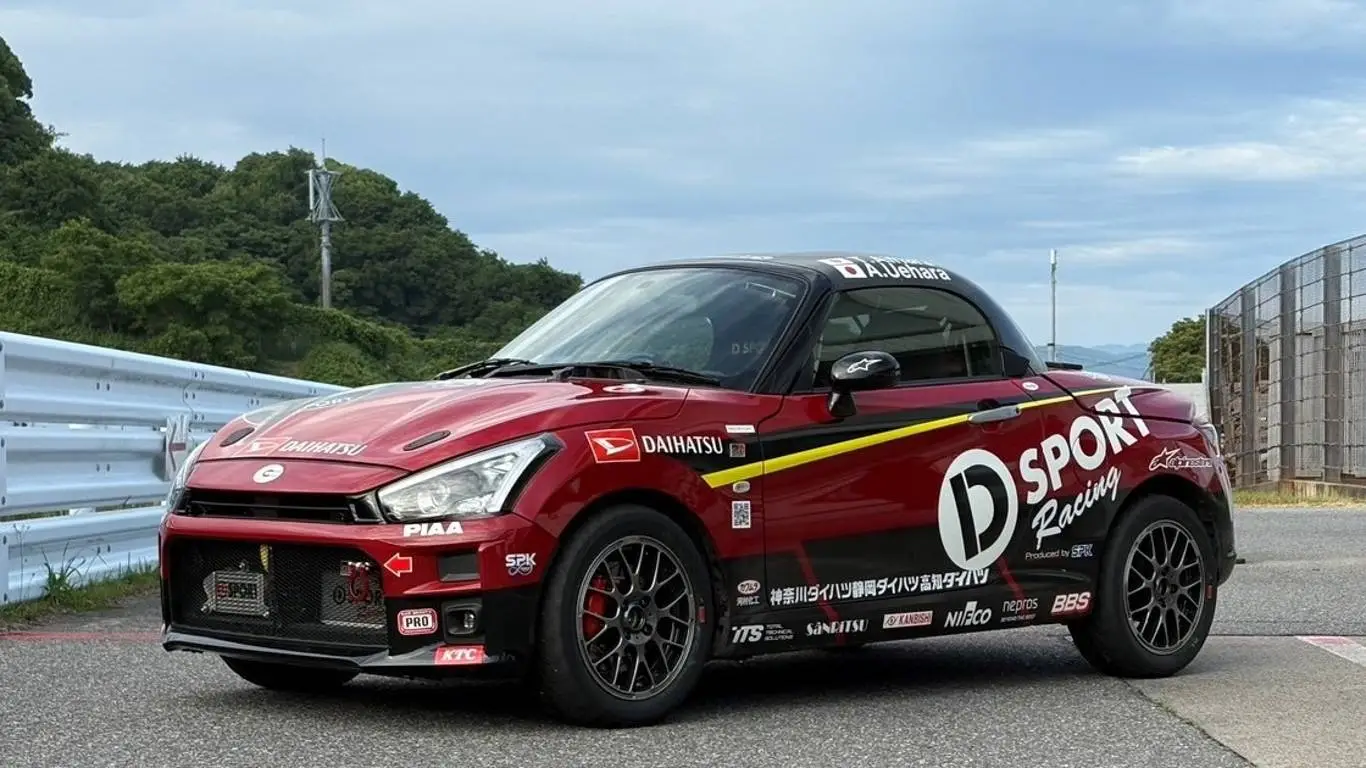
Daihatsu Copen GR Sport enters Rally Japan 2026 in JR3 class with a 660cc kei-car engine. The D-SPORT Racing Team aims to showcase the small car's potential in its final year of production.
The Daihatsu Copen GR Sport will take the start at Rally Japan 2026. The car will be entered by the D-SPORT Racing Team in the JR3 class, marking the team's fifth consecutive appearance at the Japanese WRC round since 2022.
The biggest change is under the hood. In 2025, the Copen raced with a 1.0-liter KR engine running on FIA fuel, but it now returns to its kei-car roots. The new powerplant is a 660cc KF, also adapted for sustainable FIA fuel. Behind the wheel will be Taisuke Aihara, with Azumi Uehara co-driving, and the car will wear number 42.
The engine choice is symbolic. With 2026 being the final year of Copen production, Daihatsu wanted to remind everyone where the model started: a lightweight open sports car meant to be enjoyed without excess power or bulk. That philosophy feels especially honest in rally, where success depends not just on horsepower but on weight, handling, reliability, and the ability to maintain a relentless pace.
In 2025, the team proved the Copen could reach the finish line despite technical hurdles. Now the goal is different: to demonstrate the potential of a small car in its natural element. Daihatsu and SPK describe the project as part of their effort to build better cars through motorsport. For the Copen, this is more than a race—it's a farewell statement that a small car can be serious.