New Lexus ES Features High-Precision ADB Headlights from Koito
 A. Krivonosov
Discover the Lexus ES with adaptive high-beam headlights using 16,000 micro-LEDs. The system dims individual zones to avoid glare, enhancing night safety.
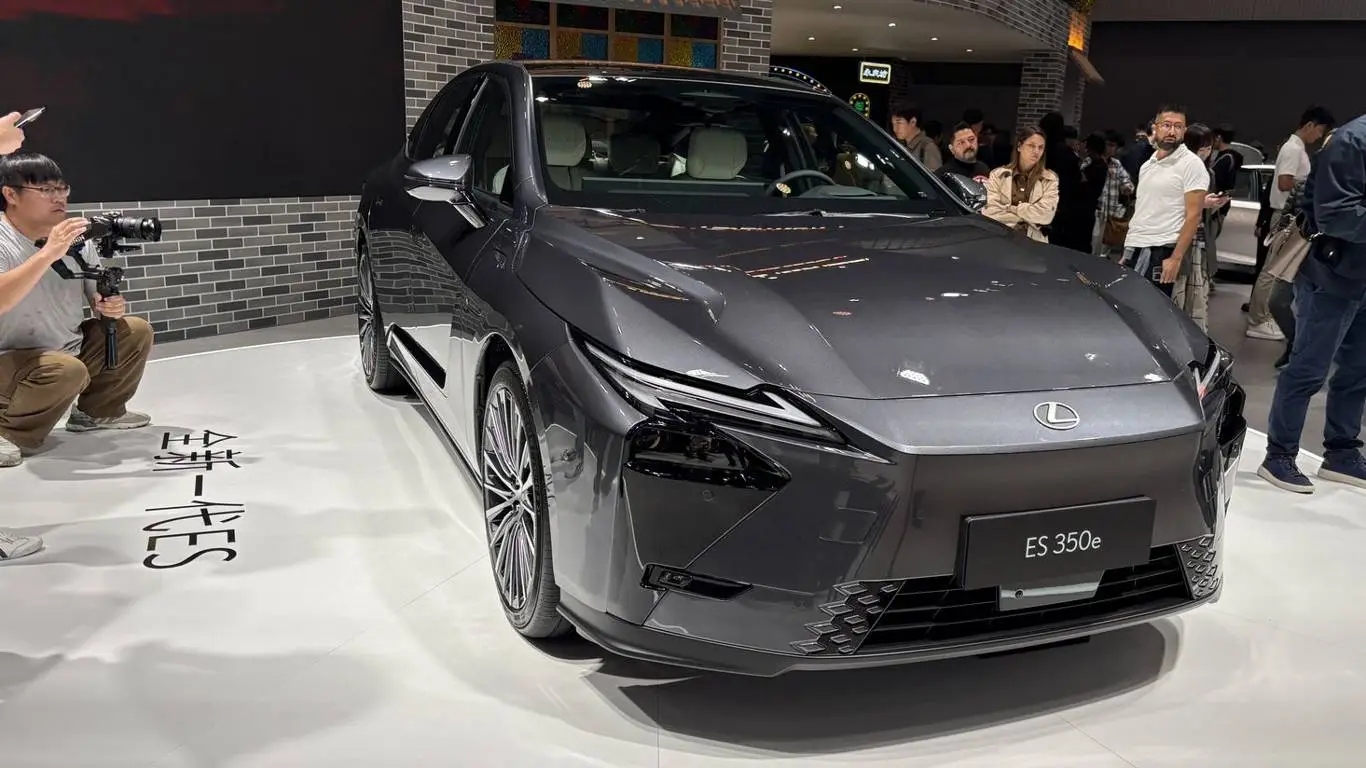
The new Lexus ES is the first production model in Japan to feature high-precision ADB headlights from Koito. Rather than simply switching between low and high beams, this system controls the light beam in individual zones, almost like a display.
The system uses 16,000 micro-LED segments. Cameras and sensors detect oncoming cars, vehicles ahead, and pedestrians. The electronics then dim only the specific areas that would cause glare. The driver keeps a broad view of the road, while other road users do not experience bright light in their eyes. Toyota refers to this technology as AHS, or Adaptive High-beam System.
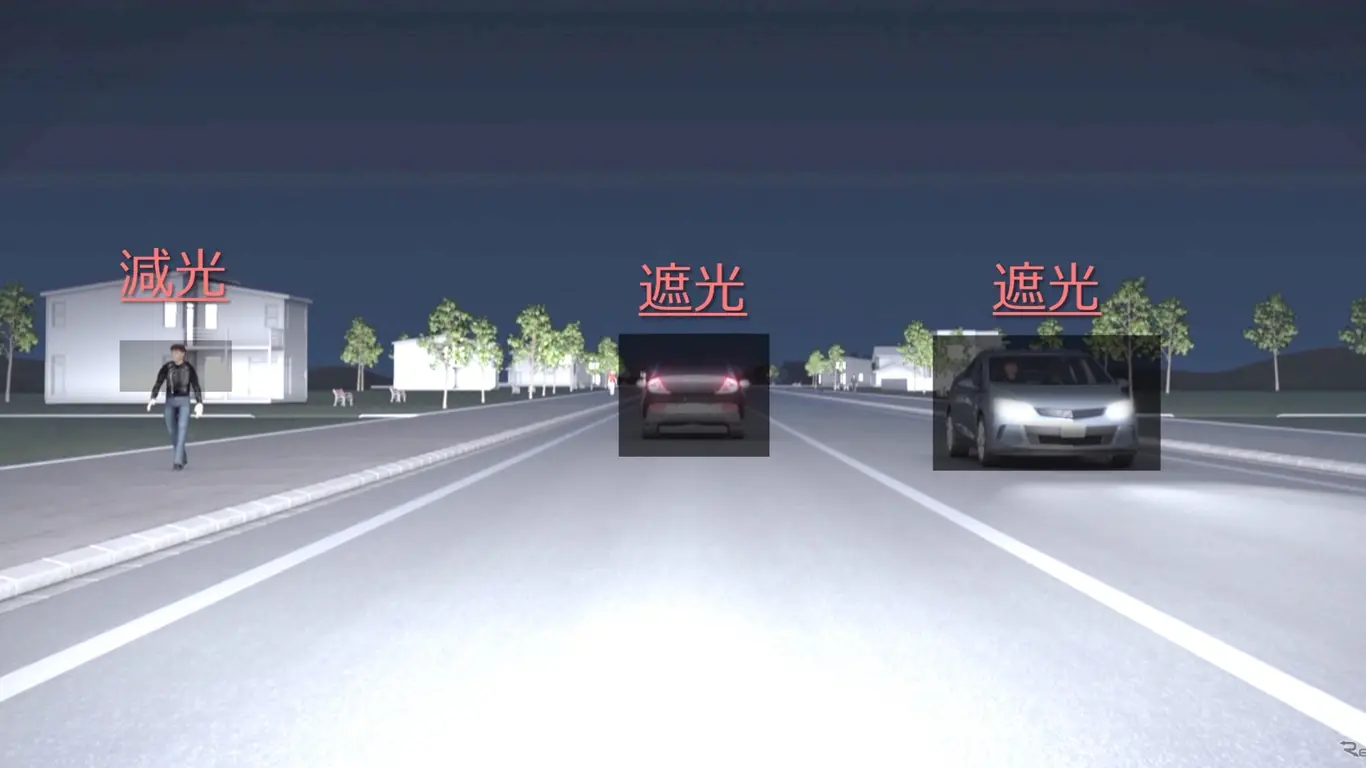
The biggest benefit becomes clear at night or on unlit roads. Conventional high beams require constant manual toggling, but ADB automatically keeps the free stretches illuminated. This helps the driver spot road shoulders, lane markings, a curve, or a person near the edge of the road earlier.
The headlights also serve an image-boosting function. Thanks to the high precision of the LEDs, the Lexus ES can display an animation at startup, turning the optics into an element of the user experience. However, the visual effect has a more practical purpose: light becomes an active safety system, not just an expensive component at the front.
This technology is especially significant for Lexus. In a premium sedan, buyers expect quietness, comfort, and reliability, but at night it's the headlights that largely determine how relaxed the driver feels behind the wheel.