EU CO2 targets and the future of Europe's battery industry
 northvolt.com
Transport & Environment warns that weakening EU CO2 targets could halve Europe's EV production by 2030 and cost €50 billion in oil imports, risking battery investments.
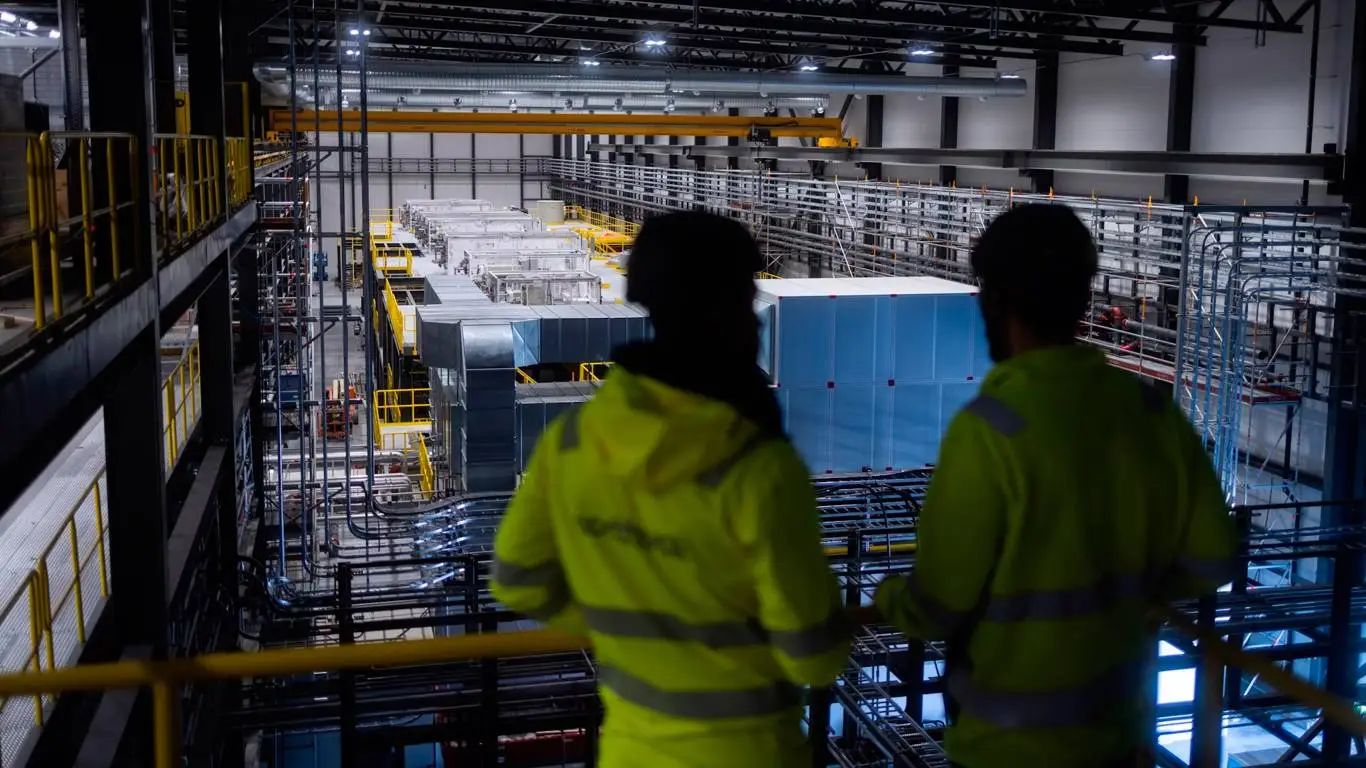
The European debate about the future of petrol and diesel cars goes beyond environmental concerns. Environmental group Transport & Environment warned that if the EU weakens CO2 targets for passenger cars, Europe could lose a significant portion of the future battery industry. According to T&E's analysis, the risk involves capacities comparable to 34 factories the size of Northvolt.
Easing the rules, the organization calculates, could halve Europe's electric vehicle production by 2030 compared to current forecasts. It also estimates additional oil import costs of around €50 billion versus maintaining the existing CO2 standards. These figures come from T&E's modeling, not from an official European Commission assessment.
T&E's main argument is regulatory predictability. Battery factories, EV platforms, and supply chains don't get built in a matter of months. If targets are constantly revised, investors may choose the US or China, where industrial policy appears more stable. Against this backdrop, the Northvolt example has become a worrying symbol: Europe's battery industry already faces high production costs, technical difficulties, and fierce competition from Asian companies.
The timing of this assessment is politically sensitive. The EU continues to debate the rule that would phase out sales of new CO2-emitting cars from 2035. European leaders and automakers are discussing a more flexible approach, potentially including hybrids and synthetic fuels. Critics warn that excessive easing could hurt investments in EVs and batteries.
Meanwhile, Europe's electric vehicle market isn't standing still. In Germany, 64,350 battery electric vehicles were registered in April 2026, capturing a 25.8% market share and representing a 41.3% increase year-over-year. This doesn't erase problems with pricing and charging infrastructure, but it shows that BEV demand continues to grow even amid political disputes.