Chinese vehicle exports to EU exceed 1 million, boosting market share
 B. Naumkin
In 2025, Chinese car exports to the EU surpassed 1 million units, growing 30.7% and capturing 7% market share, with BYD sales surging 162.7% as demand shifts to affordable EVs.
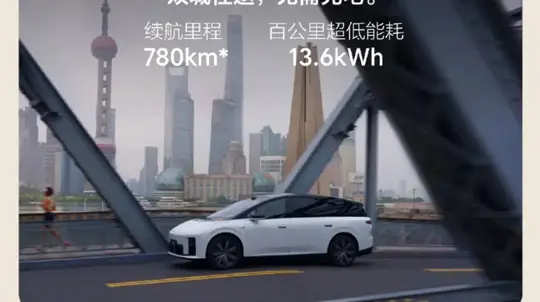
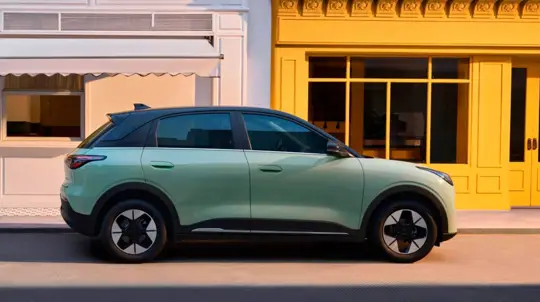
For the first time, Chinese vehicle exports to the European Union surpassed one million units in 2025. According to ACEA data, deliveries grew by 30.7%, reaching 1,006,188 cars, confirming a significant shift in the global market.
The share of Chinese cars in the EU has risen to 7%, up from 5% in 2022. This makes China the largest source of automotive imports for Europe. Meanwhile, exports of European cars to China have sharply declined, with a drop of 43%, intensifying the trade imbalance.
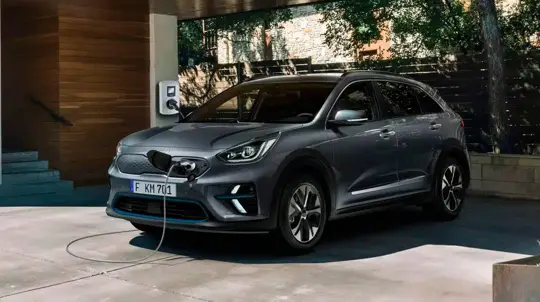
Against this backdrop of growth for Chinese brands, traditional players are stagnating. The market share of Japanese and Korean manufacturers remains at 3–4%, while sales of Hyundai and Kia fell by 8.4% in early 2026.
In contrast, BYD shows the opposite trend: its sales in Europe surged by 162.7%, exceeding 36,000 vehicles.
The rise in Chinese deliveries is linked to a shift in demand structure. The European market is increasingly moving toward affordable electric vehicles and compact models—segments where Chinese manufacturers are particularly strong. This heightens competition and reshapes the industry's power dynamics.
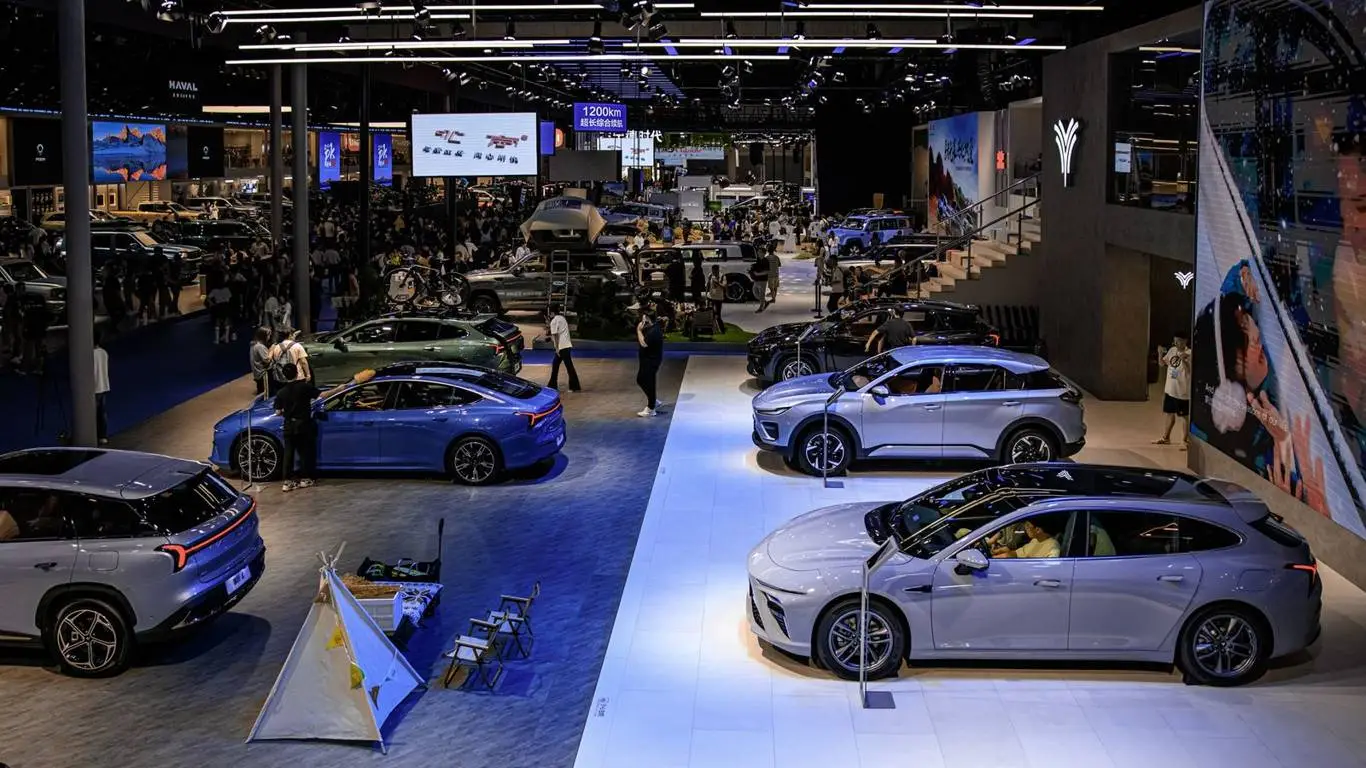
Breaking the one-million-vehicle mark is more than just a statistic; it signals structural changes in the EU market. Chinese brands are establishing themselves in Europe, and traditional manufacturers will have to adapt to this new reality.