Most fuel-efficient Toyota models in 2026: gasoline, hybrid, and electric
 A. Krivonosov
Discover the most economical Toyota cars for 2026, including the Corolla, Prius hybrid, and bZ electric vehicle, with real-world fuel and electricity consumption data.
In 2026, fuel and electricity consumption remains a key factor when choosing a car. Toyota continues to focus on hybrid technology, but its lineup still includes efficient gasoline versions and fully electric models.
For Russian buyers, real-world operating costs are particularly important, not just official figures.
The most fuel-efficient gasoline Toyota is the Corolla
The classic Toyota Corolla with its 2.0-liter naturally aspirated engine remains one of the brand's most economical gasoline models. It averages about 6.5–7.0 liters per 100 kilometers in mixed driving with moderate driving habits.
Thanks to its continuously variable transmission and front-wheel drive, the Corolla delivers consistent fuel efficiency without complex hybrid systems. This makes the model appealing to those who prefer straightforward engineering and predictable costs.
The most economical hybrid is the Toyota Prius
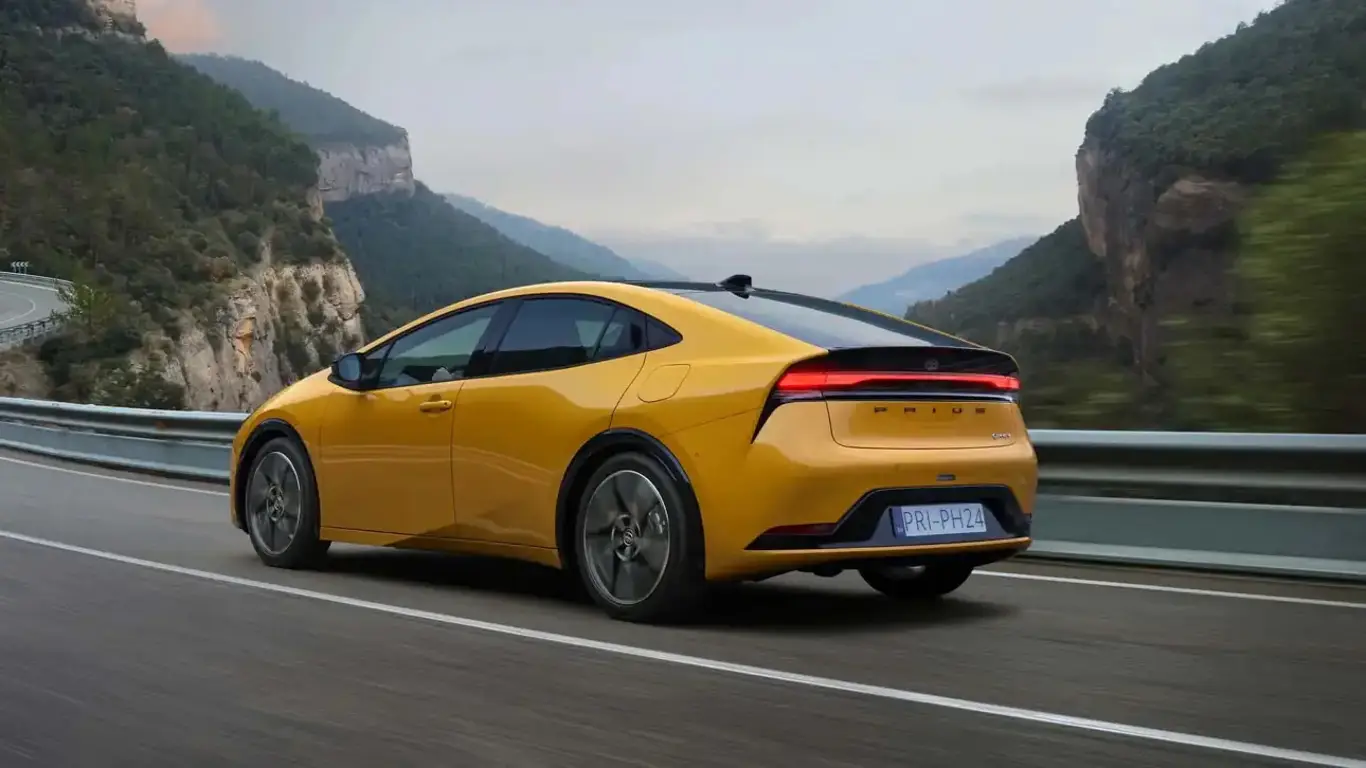
The Toyota Prius remains the benchmark for efficiency among conventional hybrids. In its current generation, consumption can be around 4.0–4.5 liters per 100 kilometers in mixed driving.
The hybrid system combines a 2.0-liter engine and an electric motor for a total output of about 190 horsepower. Despite the power increase compared to previous generations, the Prius maintains impressive fuel economy and a long range.
If more space is needed, the Camry Hybrid or Corolla Cross Hybrid are worth considering. They fall slightly behind the Prius in efficiency numbers but remain very economical for their class.
The most economical plug-in hybrid is the Prius PHEV
The Toyota Prius PHEV can travel up to 60–70 kilometers on electric power alone, depending on conditions. For daily short trips, this means virtually no gasoline consumption.
In hybrid mode after the battery is depleted, fuel consumption stays around 4–5 liters per 100 kilometers. With home charging, this car can function as an electric vehicle in the city and a full hybrid on the highway.
The most economical electric vehicle is the Toyota bZ
The Toyota bZ, evolving from the bZ4X lineup, shows energy consumption of about 15–18 kilowatt-hours per 100 kilometers, depending on the version and driving conditions.
Its range exceeds 450 kilometers according to the WLTP cycle, and the updated 2026 version features a larger battery and refined power electronics. In ruble terms with overnight charging, the electric vehicle remains the cheapest option per kilometer of travel.
Separately: Toyota Mirai
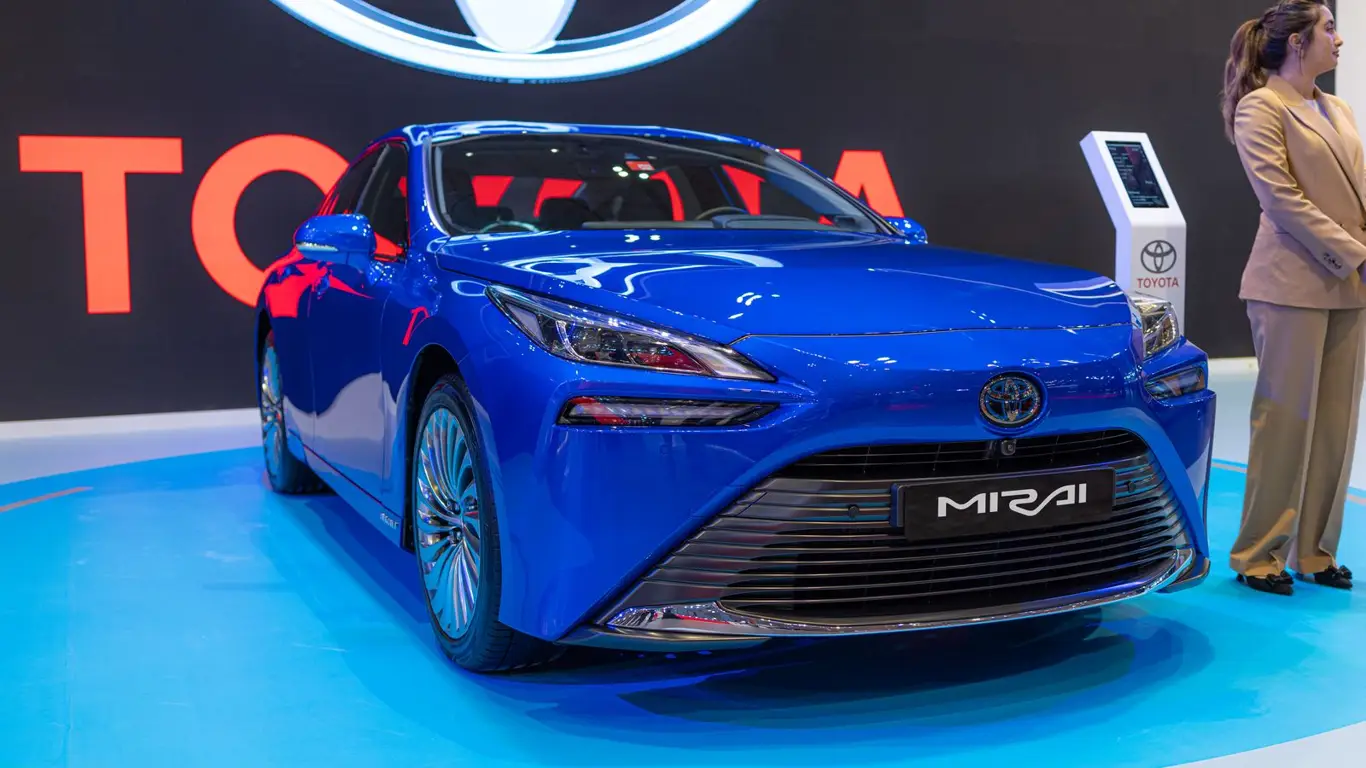
The Mirai, powered by hydrogen fuel cells, theoretically offers high efficiency and a range of over 600 kilometers. However, in Russian conditions, the lack of infrastructure makes this option practically unviable for widespread use.
In 2026, Toyota offers a broad selection of economical models, from the classic Corolla to the hybrid Prius and electric bZ. For most buyers, conventional hybrids strike the best balance between cost, reliability, and operating expenses. They deliver low consumption without the need for regular charging and maintain strong resale value on the used market.