Mercedes-AMG improves axial flux electric motor efficiency
 Yasa
Yasa
Mercedes-AMG enhances axial flux electric motor efficiency with new winding technology, reducing energy losses for better EV performance and market competitiveness.
Mercedes-AMG continues to develop axial flux electric motors, but even advanced technologies face limitations. German engineers have already found a solution aimed at boosting efficiency and reducing energy losses.
The High-Speed Challenge
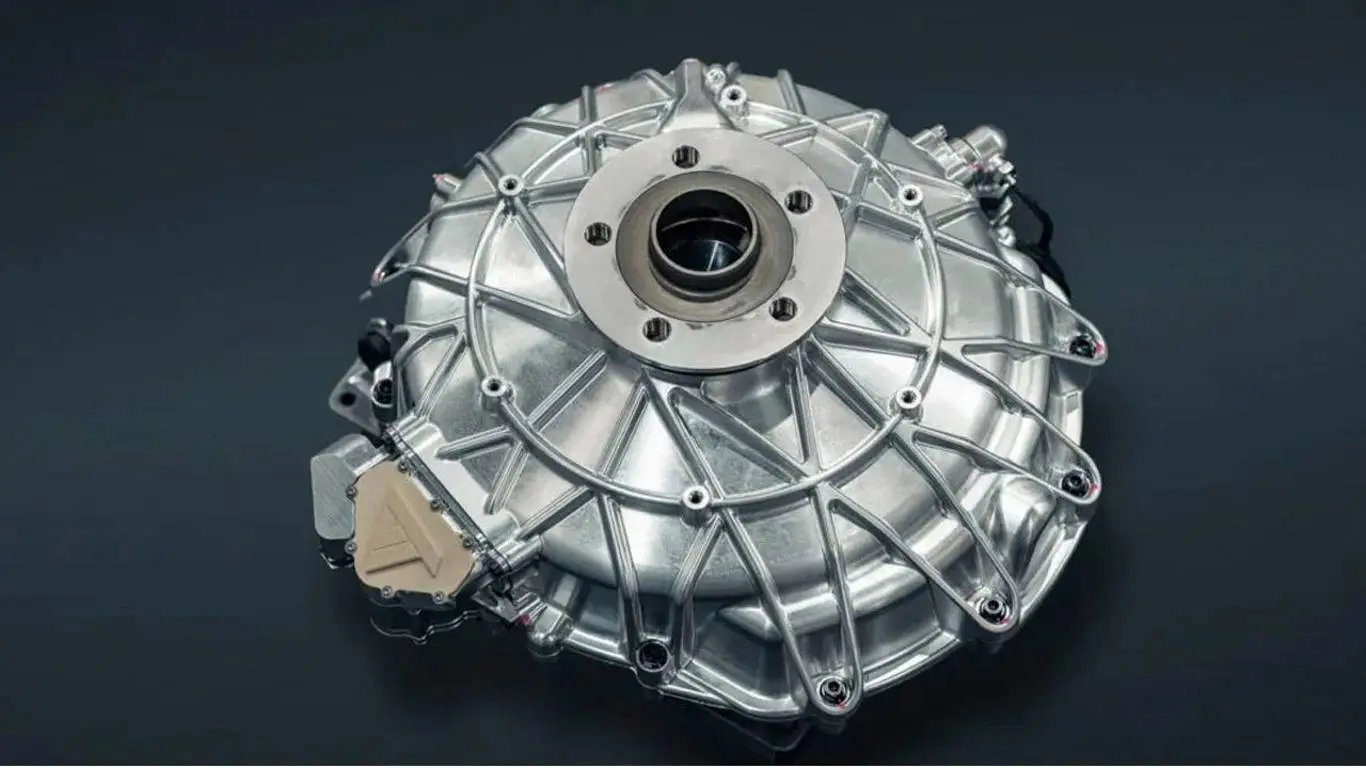
Axial motors, developed by YASA, are notable for their compact size and high power density. A single motor delivers up to 737 horsepower while weighing only about 13 kg, making it ideal for high-performance electric vehicles.
However, researchers from Aachen University identified an issue: significant energy losses occur at high speeds and revolutions. The main cause is parasitic currents in the stator windings, which reduce the system's overall efficiency.
A New Winding Technology
The solution lies in a new wiring design. Instead of traditional flat copper wires, the proposal involves using thin, twisted cables with a special shape.
This structure distributes current more evenly, cuts losses, and enhances motor efficiency. Additionally, the new technology simplifies production by allowing wires to be wound directly onto the stator.
Market Implications
Despite the complexity and high production costs, axial motors remain a promising direction. They enable reductions in electric vehicle weight and improvements in dynamic performance.
Refining the design makes the technology more viable for mass adoption. In the coming years, such solutions could become key for new generations of Mercedes-AMG electric vehicles, intensifying competition in the high-performance EV segment.