World Car of the Year 2026 semifinalists: the shortlist and market takeaways
 A. Krivonosov
See the World Car of the Year 2026 semifinalists across EV, luxury, performance, urban, and design. Finalists March 3; winners announced April 1 in New York.
The organizers of the World Car of the Year have revealed the semifinalists for the 2026 season. From 58 eligible vehicles, the jury drew up shortlists: a top 10 for the overall title and top fives across five additional categories—electric vehicles, luxury, performance, urban cars, and design. Finalists will be named on March 3, 2026, and the winners will be announced on April 1 in New York, TARANTAS.NEWS reports.
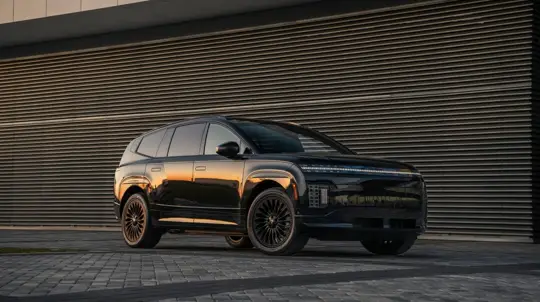
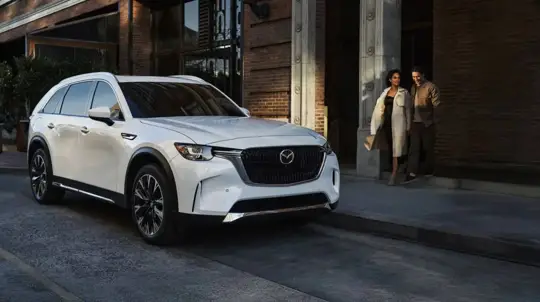
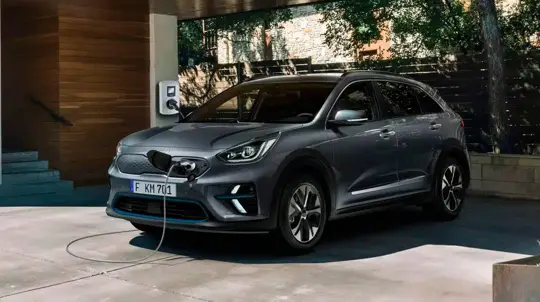
The 2026 World Car of the Year contenders offer a telling snapshot of the market. The roster features the Audi Q5/SQ5, BMW iX3, BYD Seal 6 DM‑i, Hyundai Ioniq 9, Hyundai Palisade, Kia EV4, Kia EV5, Mercedes‑Benz CLA, Nissan Leaf, and Toyota RAV4. Mass‑market crossovers stand alongside next‑generation EVs and hybrids, a mix that underlines the absence of a single dominant powertrain.
The individual categories echo that breadth of approach. In luxury, fully electric entries such as the Audi A6 e‑tron and Volvo ES90 share space with more traditional models.
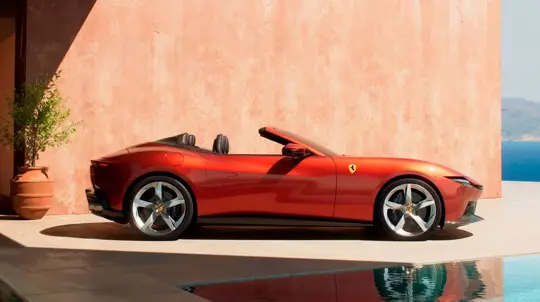
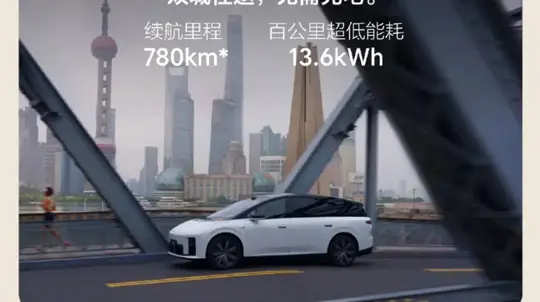
In the World Electric Vehicle race, the BMW iX3, Hyundai Ioniq 9, Mercedes‑Benz CLA, and Nissan Leaf will compete, reflecting intensifying rivalry in the EV class. The performance bracket blends classic gasoline choices with hybrid solutions, including the Corvette E‑Ray.
Experts note that the semifinal lineup neatly captures the 2026 landscape: carmakers are leaning into versatility, pairing electrification with familiar body styles and long‑standing nameplates. In this environment, a WCOTY victory depends not only on technology but also on delivering a balanced product for a global audience. Taken as a whole, the shortlist feels pragmatic rather than doctrinaire, favoring well‑rounded cars over niche experiments.
Overall, the WCOTY 2026 lists suggest that the era of strictly “pure” categories is receding. EVs, hybrids, and established bestsellers now compete on equal footing—a balance that closely mirrors real‑world buyer expectations.