Fiat Panda 2028: cheaper than a Lada Vesta on a Chinese Leapmotor T03 platform?
 fiat.co.uk
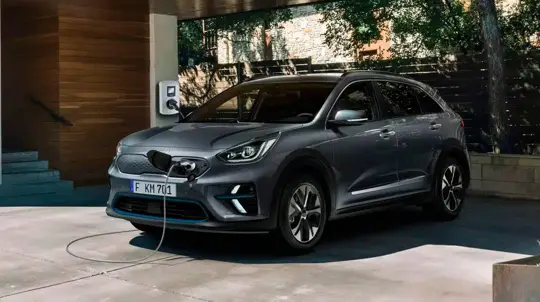
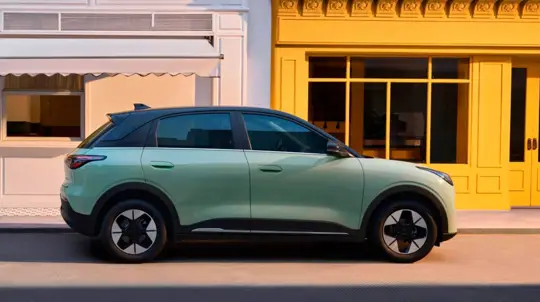
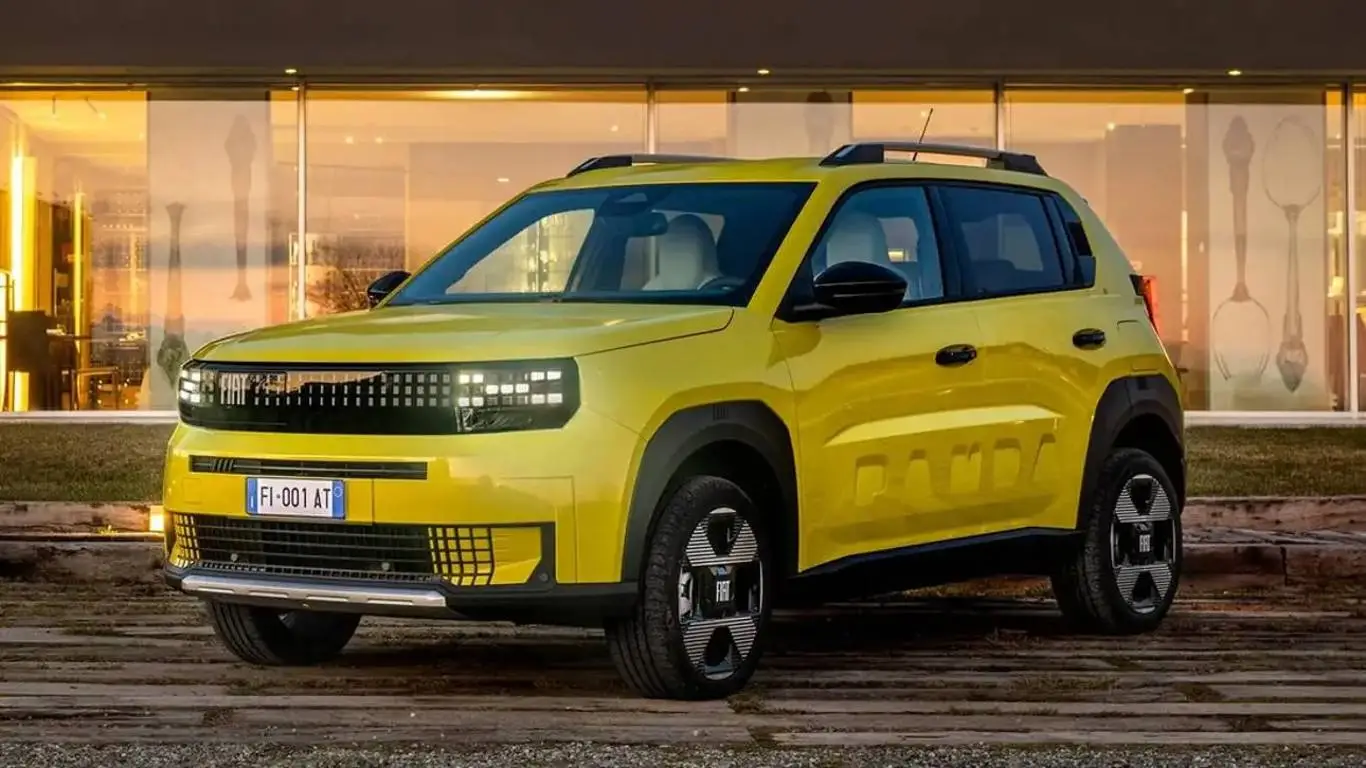
Fiat's fourth-generation Panda could share its underlying platform with the Leapmotor T03 and arrive by 2028 at around €15,000, undercutting most European EVs.
The new Fiat Panda isn't interesting because of nostalgia — it's interesting because it tries to solve the biggest problem in the European market: how to build a cheap electric car without making buyers feel like they settled for a compromise on wheels. The fourth generation of the Panda, sometimes called Pandina, is expected to arrive in 2028 at around €15,000 before subsidies, making it one of the most affordable models in the Stellantis lineup.
The car is being developed alongside the future Citroen 2CV as part of the E-Car family. Both projects lean into simplicity, minimalism and retro styling. Design duties at Fiat fall to François Leboine, who previously worked on the Renault 5 and the Grande Panda. That pedigree suggests the new Panda won't look like a faceless budget box: leaning on the look of the original 1980 model isn't just about emotion, it's also about cost — simple shapes are cheaper to build and easier to recognise.
The main fork in the road is still technical. One option is to use the Leapmotor T03 platform, which makes sense given Stellantis' 21 percent stake in the Chinese company. That would help bring the price down, but it would likely rule out a gasoline version entirely. The other option is Fiat 500's STLA City platform, which supports multiple powertrain types. In that scenario, an internal-combustion, hybrid, or even range-extender version could sit alongside the electric Panda.
Fiat is already quietly admitting that an EV-only lineup may not be enough. Brand chief Olivier François says an EV alone might work for France, but the picture is more complicated for Italy. Fiat's European head Gaetano Thorel points directly to a typical owner scenario: the car needs to be small enough for the city but still practical enough for a family trip from Milan to Naples. For that kind of buyer, a pure EV isn't always the best answer.
For the Russian market, a new Panda is unlikely to become a mainstream choice even if it shows up through parallel imports: once shipping, recycling fees and margins are added, the appeal of a cheap European EV quickly fades. But the idea itself matters. While BYD, Leapmotor, Dacia and Citroen keep pushing on the budget segment, Fiat is trying to bring back the value of a simple car — without excess electronics, excess weight, or premium pretending.
The Panda's edge won't come from power or a screen. Its chance is to become, once again, a car where simplicity looks less like poverty and more like common sense.