50 Buttons vs. Four: Mazda CX-60 Loses to Tesla Model Y in Distraction Test
 A. Krivonosov
A new Vi Bilagare test shows the Mazda CX-60, loaded with 50 physical buttons, took drivers longer to complete basic tasks than the nearly button-free Tesla Model Y.
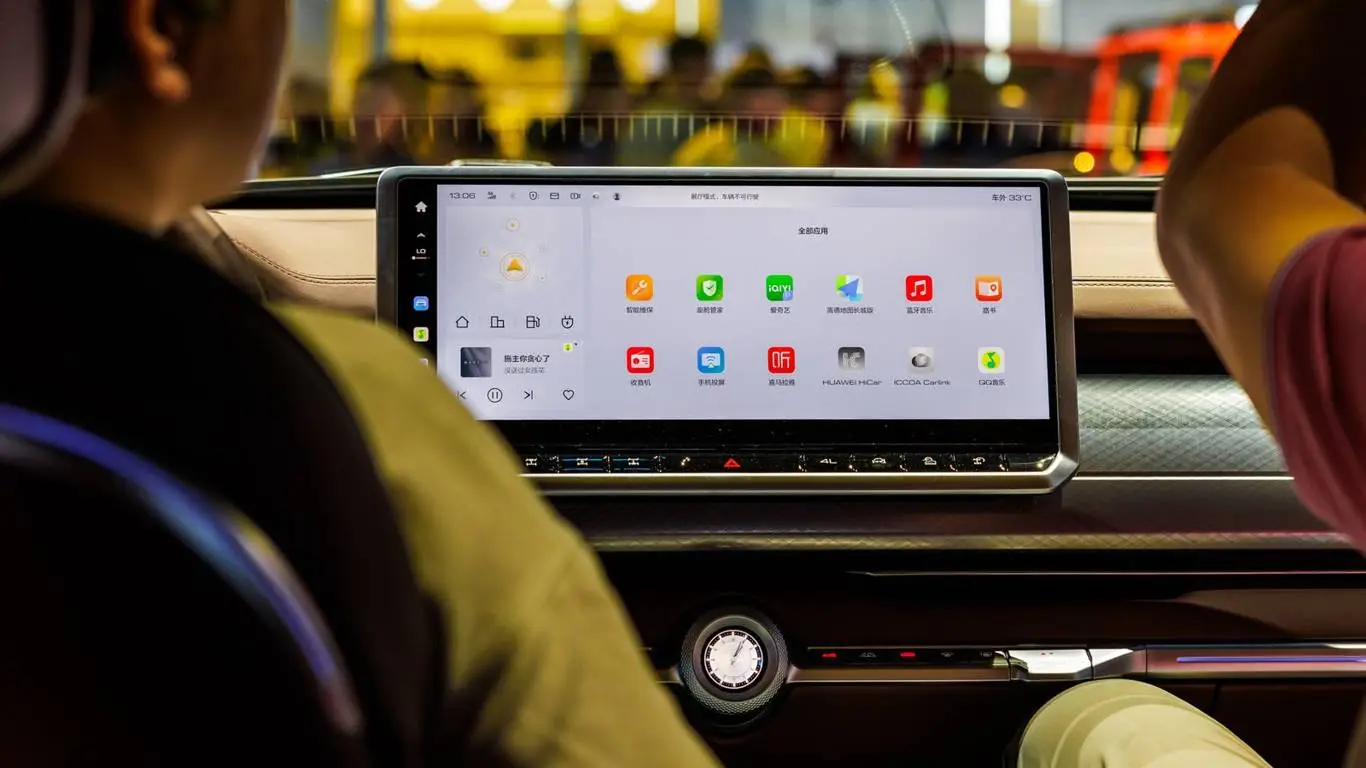
The "buttons versus screens" debate turns out to be too simple for a real car. A new test by Vi Bilagare found that drivers aren’t distracted by the touchscreen itself, but by poor interface logic: the Mazda CX-60, with 50 physical buttons, lost to the Tesla Model Y, which has almost no conventional buttons at all.
The test was run on a closed airfield at 68 mph. Drivers had to turn on seat heating, raise the temperature, activate the windshield defroster, change the radio station, reset the trip counter, dim the instrument cluster and switch off the central screen. On average, the new cars needed 2,667 feet to finish the tasks, up from 2,480 feet in the equivalent 2022 test — roughly two extra seconds of partial distraction from the road.
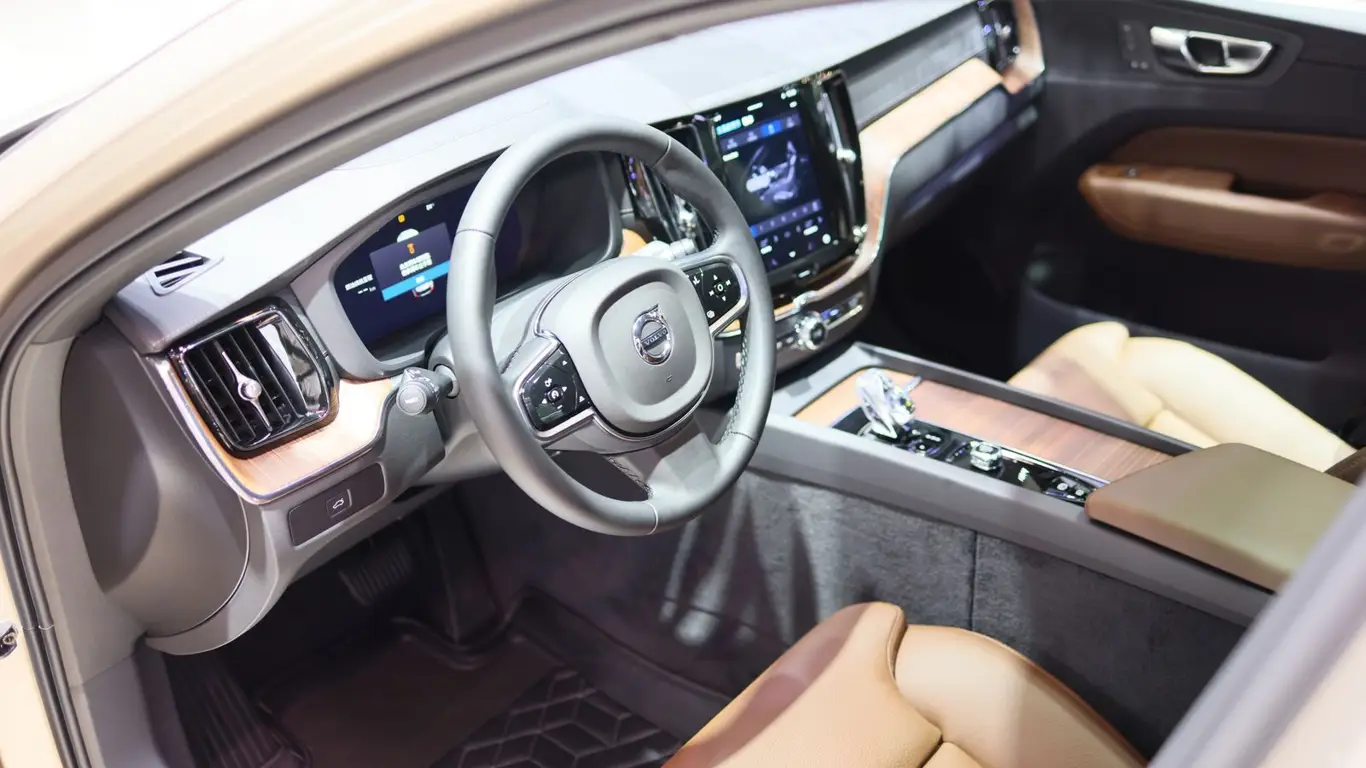
The Volvo XC60 came out on top at 485 feet. The Skoda Kodiaq, with a mix of dials and screen, finished the tasks in 542 feet. The Toyota Corolla Cross wasn’t let down by its screen layout but by a deeply buried instrument-brightness setting, which alone ate up 580 feet. The Mazda CX-60 turned out to be one of the worst performers: its touchscreen locks out on the move, leaving the driver dependent on physical controls, yet the result was 37 seconds and 1,137 feet. The Tesla Model Y, with just four buttons, wasn’t faster because a screen is always better — it was faster because some functions were simply easier to find.
For an owner, the takeaway is more practical than it sounds. A comfortable cabin isn’t about the number of buttons, but about predictability: climate controls should either stand on their own or be reachable in a single tap, seat heaters shouldn’t require digging through a menu, and brightness or trip-computer settings shouldn’t be buried in nested screens. On a test drive, it’s worth checking everyday actions, not just acceleration and handling: turn on the defroster, adjust the temperature, connect a phone, find the camera view, dim the screen at night.
This is especially relevant for the wave of Chinese crossovers now flooding global markets, where oversized displays often replace nearly everything. Brands like Chery, Geely, Exeed, Omoda, Jaecoo and Haval can look impressive in a showroom, yet feel clumsy in winter gloves or on a rough road. Physical buttons aren’t a safety guarantee either, if they’re scattered across the cabin or simply mirror confusing menus.
Good infotainment isn’t the one with more buttons or a bigger screen. It’s the one you don’t have to think about at 68 mph.