1.5 Turbo: the engine size that took over crossovers from Germany to China
 A. Krivonosov
The 1.5-liter turbo engine has become the default choice for compact crossovers worldwide. Here's why Volkswagen, Chery and Geely all lean on the same displacement.
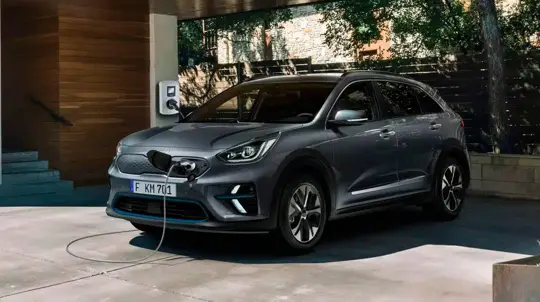
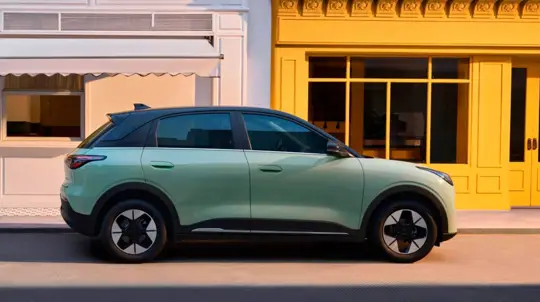
The 1.5-liter turbo petrol engine has become the near-universal answer to one question in the auto industry: how do you give a compact crossover decent pulling power without pushing into the pricier 2.0-liter class or leaving drivers frustrated with a weak three-cylinder unit? That's why the same displacement shows up under the hood of Volkswagen, Chery, Geely, and dozens of new SUVs out of China.
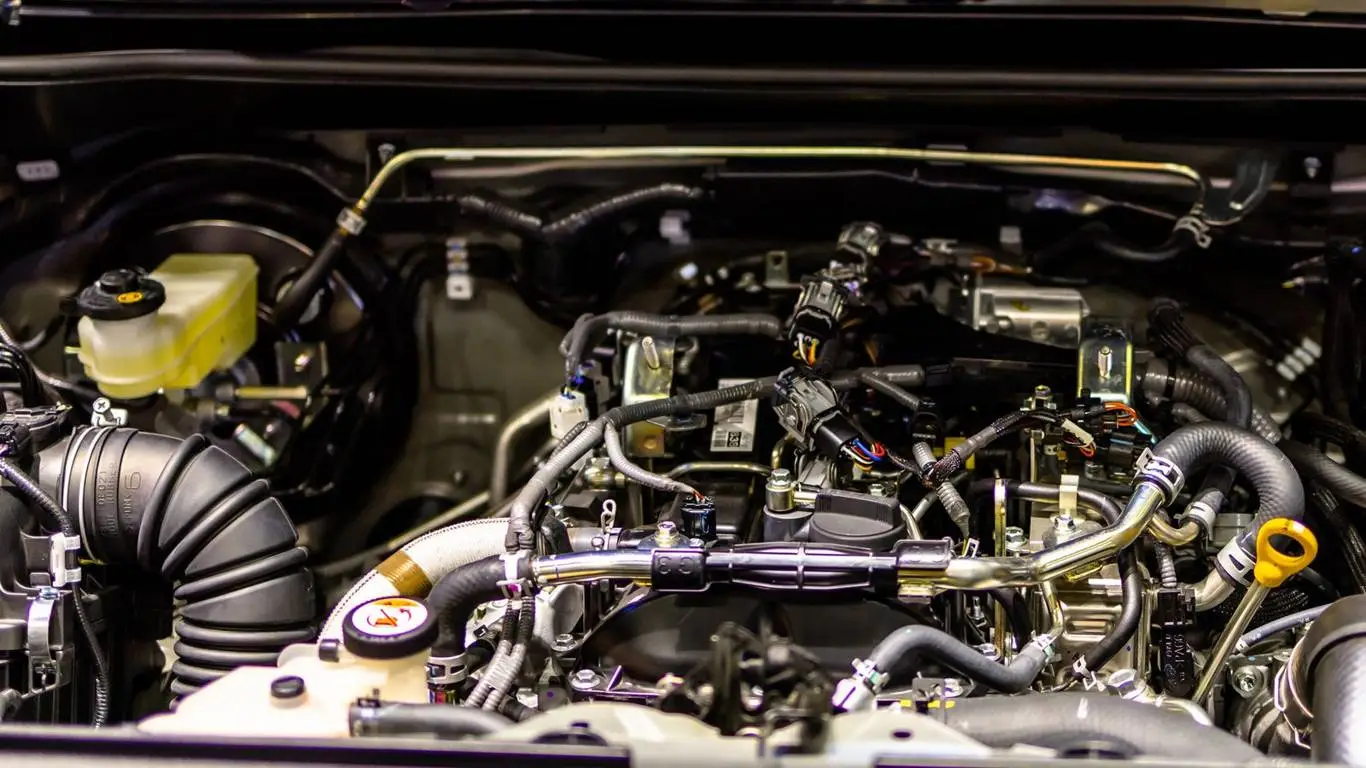
Fashion has little to do with it. In China and several export markets, tax and customs rules make anything up to 1.6 liters especially attractive. A 1.5 Turbo stays just under that threshold while still delivering 130–190 hp, and considerably more once hybrid assistance is added. Volkswagen's 1.5 TSI evo2, built around its ACT plus cylinder deactivation system, does triple duty — running as a standard petrol engine, powering a mild hybrid, or anchoring a plug-in hybrid setup rated up to 272 hp.
For buyers, this explains why so many new cars feel technically similar under the skin. It's cheaper for a manufacturer to develop one engine for multiple markets, platforms and electrification levels than to maintain separate 1.2, 1.6, 1.8 and 2.0-liter lineups. Chinese brands have followed the same logic: Chery relies on its ACTECO/Kunpeng engine family, while Geely uses its BHE15 series. These units are often simpler in tuning and refinement than their European counterparts, but they deliver the power buyers want for less money.
The pattern is easy to spot across crossover lineups from Chery, Omoda, Geely, Belgee, Jaecoo and Haval. Buyers get respectable performance and generous equipment, but the horsepower figure shouldn't be the only thing they look at. A 1.5-liter turbo is demanding when it comes to oil quality, service intervals, cooling, turbocharger condition and software updates. On the used market, service history, evidence of overheating, how the transmission holds up under load, and parts availability all matter — any savings at purchase can vanish quickly after a turbocharger, high-pressure fuel pump or cooling system repair.
The 1.5 Turbo didn't win because it's flawless. It simply fits the modern mass-market formula better than the alternatives: lower tax, enough pulling power, room for hybridization, and costs kept under control.