Barcelona's olive-pit asphalt: a road surface that locks away CO2 for decades
 A. Krivonosov
Barcelona is trialling asphalt mixed with biochar from olive pits and pine biomass. The material could cut production CO2 by up to 76% and store carbon in the road itself, with real-world tests starting in September and monitoring through 2027.
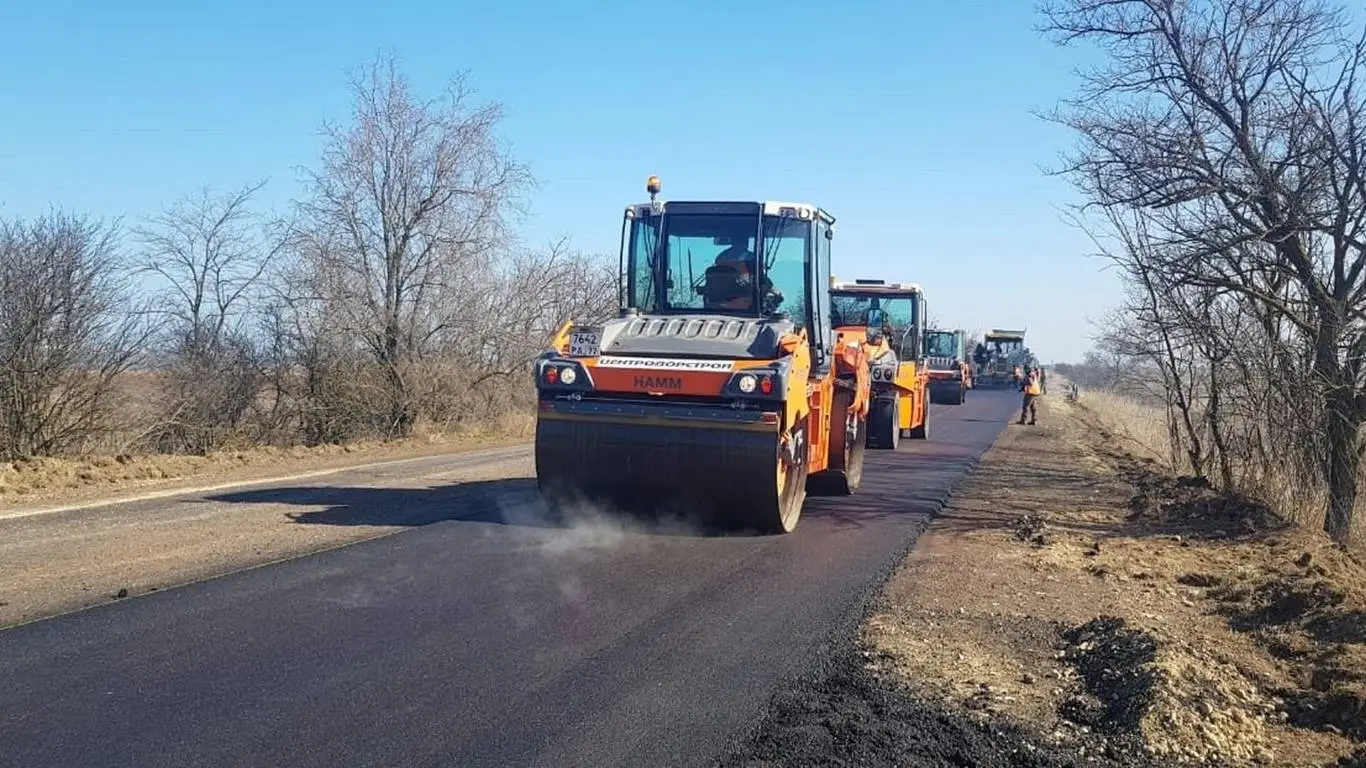
Barcelona is testing an idea that sounds almost mundane but touches the entire road industry: adding charcoal made from olive pits and pine biomass to asphalt. The material should not only cut the carbon footprint of building streets but turn part of the surface into long-term CO2 storage. If the lab results hold up on real roads, it won’t just be the car that gets greener, but the infrastructure beneath it.
The project is part of the municipal “21st Century Street” programme, run by Barcelona City Hall, the BIT Habitat foundation and the company BIMSA. The key material is biochar, a stable plant-based char produced by pyrolysis: olive residue is heated without oxygen, keeping the carbon from quickly escaping back into the atmosphere through rot or burning.
In ordinary asphalt, the bitumen binder is mixed with mineral components — sand, gravel, crushed stone and a fine filler. In the new mix, part of that filler is replaced with plant char. The logic is simple: an olive tree absorbs CO2 as it grows, some of that carbon stays in the pits, and once processed into biochar it can be “locked” beneath the road surface for decades.
By the project team’s estimates, the technology can cut CO2 emissions tied to producing asphalt layers by up to 76% compared with traditional methods. And that matters more than it seems: every street, highway, car park and bike lane needs thousands of tonnes of material, yet road building rarely lands at the centre of the environmental agenda.
The first lab tests, carried out with the Universitat Politècnica de Catalunya and the project’s partner companies, proved encouraging not only environmentally but technically. According to preliminary data, biochar asphalt is no worse than ordinary paving and may be better on several counts: higher moisture resistance, lower cracking risk and more stable behaviour at extreme temperatures. For cities hit by frequent heat waves, that is already a question of road lifespan, not image.
But the real exam is still ahead. A lab cannot stand in for years of buses, trucks and cars, rain, heat, temperature swings and utility repairs. So Barcelona will begin real-world trials in September on several city sections. In 2027 the surface will be monitored continuously — how it ages, handles traffic and reacts to water and summer heat.
Before any wide rollout, the team will need to fine-tune the exact share of biochar in the mix, check compatibility with existing paving equipment and work out whether the new asphalt costs more to maintain.
For now this is not a ready replacement for ordinary asphalt but an experiment with sound engineering logic. If Barcelona confirms the surface’s durability by 2028, olive pits — an agricultural leftover — could become part of the climate toolkit for roads.