Range Rover Velar successor ditches the SUV shape for a low electric fastback
 landrover.com
JLR turns the Velar successor into a low, sleek electric crossover on the EMA platform — now hybrid-compatible, with expected 800-volt charging and a debut within six months. It takes on the BMW iX3, Mercedes GLC EV and Volvo EX60.
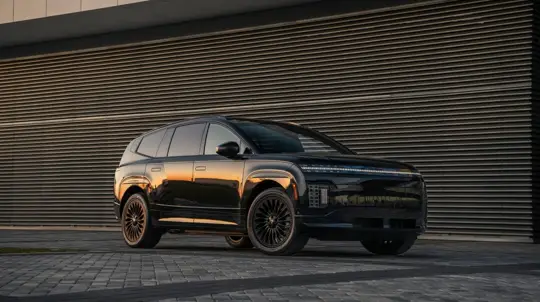
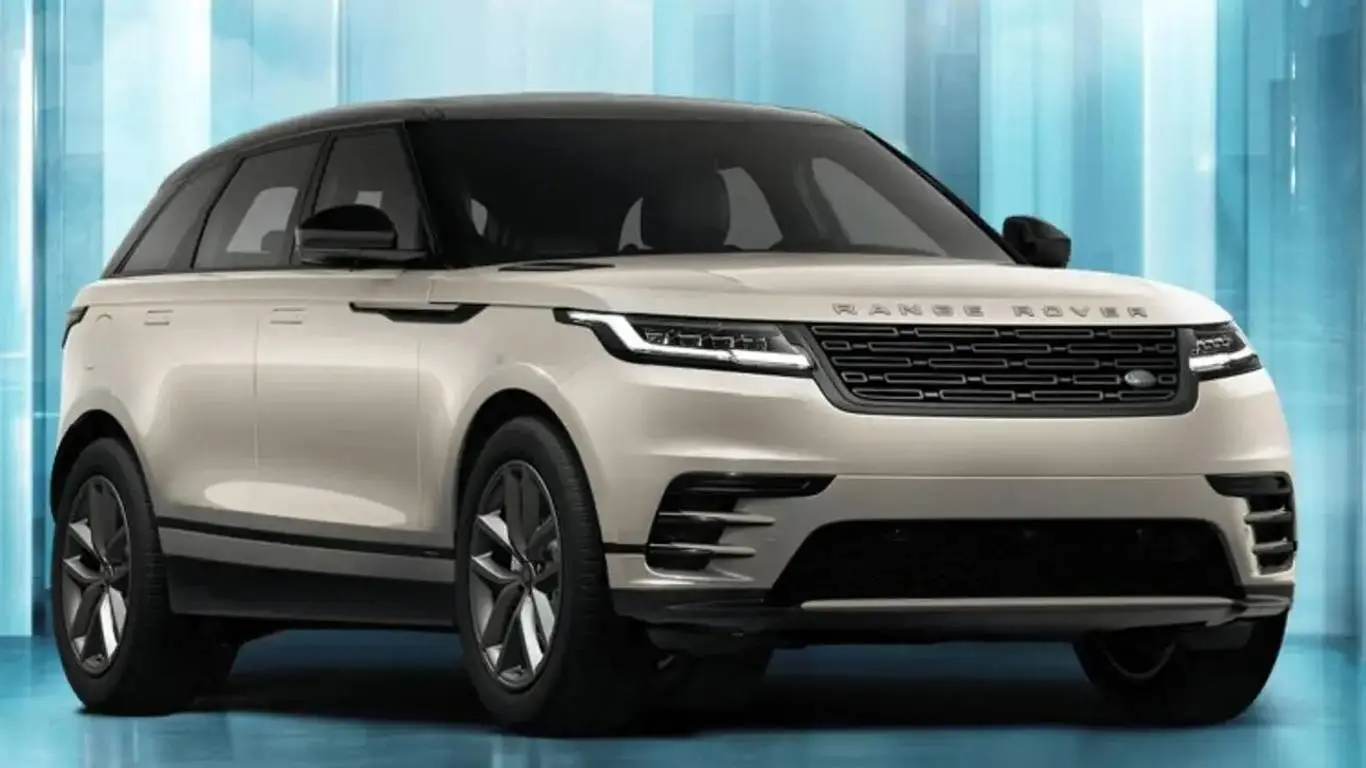
The Range Rover Velar is bracing for the sharpest change of format in its history. According to Autocar, the Velar successor will be a low, elongated electric crossover with a silhouette closer to a fastback — or even a raised saloon — than to a classic two-box SUV. For JLR this is no styling whim but a bid to break into a segment where the BMW iX3, Mercedes-Benz GLC EV and Volvo EX60 are already gaining ground.
The new model is at an advanced testing stage and could debut within the next six months. It will be part of a wave of JLR premieres after a long drought: the company has not launched an all-new model since the Range Rover Sport back in 2022. By the end of the year JLR should also reveal the Range Rover Electric and the Jaguar Type 01, after which the focus shifts to more mainstream EVs, including the Velar successor and the Defender Sport.
The big news is the EMA platform. It was originally engineered as a purely electric architecture, but JLR has now confirmed compatibility with hybrid powertrains. It is a significant pivot: future Jaguars stay fully electric, the larger Range Rovers keep the choice between ICE and EV, while the first EMA model gains extra flexibility through a “full hybrid.” Autocar notes that the hybrid system will be new to JLR and probably not directly linked to the brand’s current engines.
The styling should also pull the car well clear of today’s Velar. It keeps a similar footprint — around 4.8 m — but drops the familiar SUV profile in favour of a sloping roof, a short saloon-style tail, pronounced rear haunches and, possibly, a switch from a conventional rear window to a rear-view camera, as on the Jaguar Type 01. That helps aerodynamics and frees up rear headroom, though for Range Rover’s conservative audience it will be a divisive move.
JLR has yet to disclose the technical specs. It is reasonable to expect the architecture to adopt 800-volt hardware, like the larger Range Rover Electric, so it can match the class leaders on charging speed. That much is essential: in long-range form the BMW iX3, Volvo EX60 and Mercedes GLC EV promise around 500 miles of range and charging above 300 kW. Anything less would already look like a weak argument in the premium segment.
Production will be based at the Halewood plant in Merseyside, currently undergoing a £500 million overhaul. Batteries are to come from the Agratas factory in Somerset, sized for up to 500,000 packs a year. The same site will reportedly build the Defender Sport, and it keeps the ability to assemble EVs, hybrids and combustion cars side by side.
In effect, JLR is turning the Velar into a standalone road-focused electric fastback rather than a “junior Range Rover.” Its success will hinge on whether buyers accept that a Range Rover can be worth more than just ground clearance and an off-road pedigree.