GWM’s New Zealand offensive: eight new models, a new 3.0 diesel and the Haval H7’s return
 D.Novikov
From petrol and diesel to hybrids, PHEVs and EVs, GWM plans up to eight launches — including a 170 kW turbodiesel and the off-road Haval H7 with front and rear differential locks.
GWM isn’t making a quick refresh in New Zealand — it’s rebuilding its entire range. By the end of 2026 the brand promises up to eight new models and variants. The core idea is a refusal to bet on a single technology. Instead of an “EV-only” slogan, GWM is developing petrol and diesel engines, regular hybrids, plug-in hybrids and fully electric models all at once.
The first visible step is a bigger pickup family. In September GWM adds the Cannon Hi4-T, a plug-in hybrid pickup that slots below the larger Cannon Alpha Hi4-T. For New Zealand this is an important niche: a pickup here is valued less for a fashionable image and more for its ability to tow a trailer, head out of town and handle daily work.
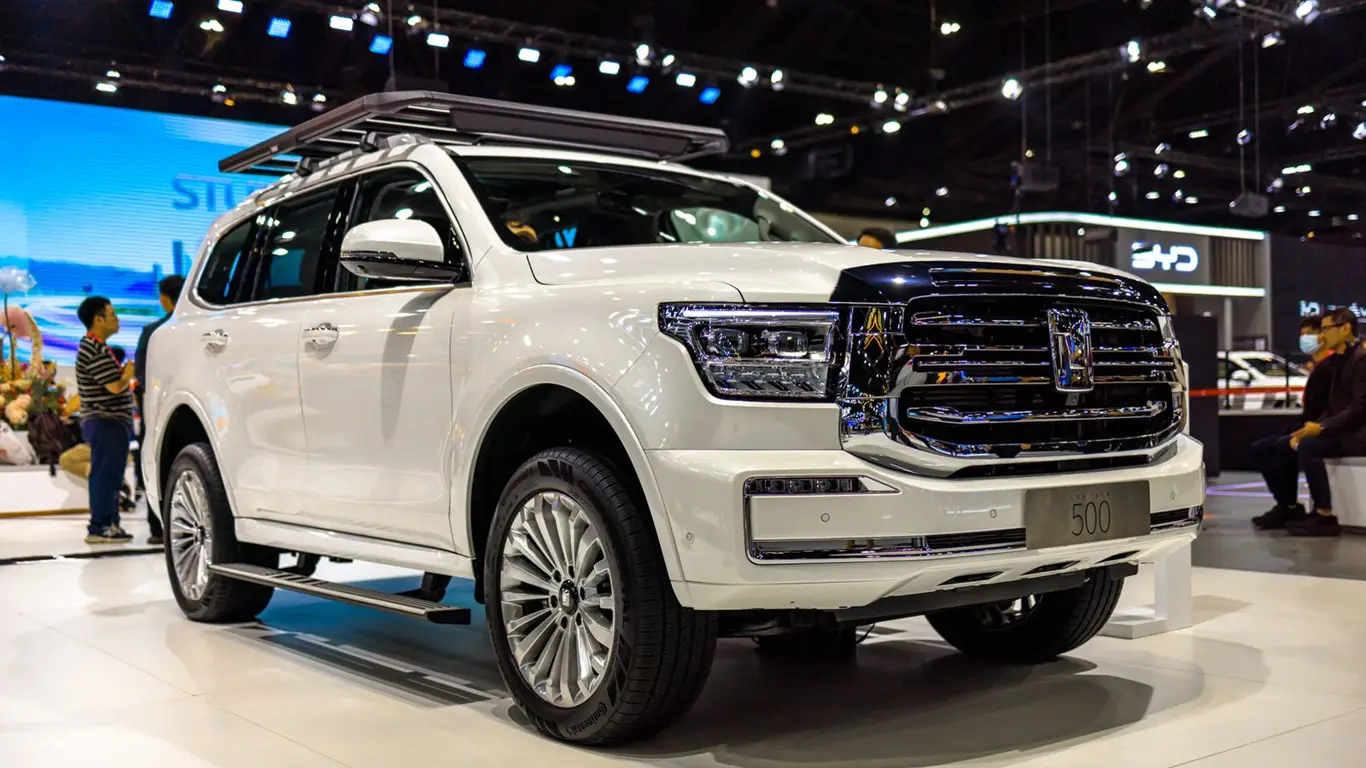
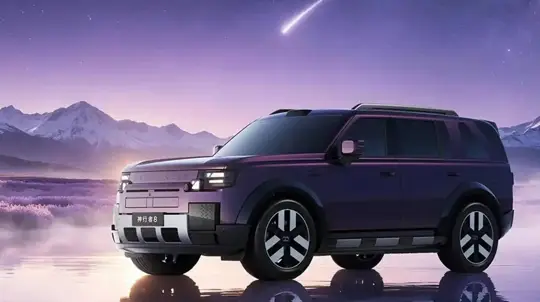
In parallel, GWM is rolling out a new 3.0-litre turbodiesel for the Cannon Alpha and the large Tank 500 SUV. The engine delivers 170 kW (around 231 hp) and 620 Nm, and it was tuned specifically for the region’s conditions and demands — Australia and New Zealand rank among GWM’s top three international markets. The company stresses that the calibration drew on local testing and customer feedback. For heavy models the logic is clear: here diesel is prized for pulling power, long journeys, towing and predictable fuel use rather than for a trendy badge.
In the second half of the year GWM also strengthens its crossover line-up. The Haval H7, known in China as the Haval Big Dog, arrives with hybrid and plug-in hybrid power. Higher trims get all-wheel drive and front and rear differential locks — a rare feature for a mid-size crossover that immediately sets the H7 apart from urban SUVs like the Toyota RAV4, Kia Sportage and Mitsubishi Outlander. Another newcomer, the Haval Jolion Max — sold in China as the Haval Xiaolong Max — will slot between the Jolion and the H6 and be offered as a PHEV and an EV.
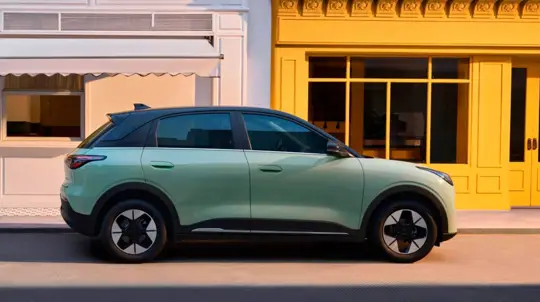
The electric side of the strategy won’t stop at the recently launched Ora 5 SUV either. By the end of 2026 GWM plans to add a second mid-size electric crossover under the Ora badge. In this way the brand is trying to cover very different scenarios at once — from a family EV to a hybrid SUV and a diesel off-roader.
Cameron Thomas, GWM’s country manager for New Zealand, put the approach this way: “No single technology wins every customer, and no single customer needs every technology.” The brand’s job, he says, is to give buyers a choice between petrol, diesel, hybrid, PHEV and electric.
GWM wants to sell more than 5000 cars in New Zealand by the end of 2026, break into the market’s top five by the end of 2027 and climb into the top three by 2030. The ambition is bold, but the strategy looks pragmatic: while other brands argue over whether diesel, hybrids or EVs will win, GWM is simply betting on all of them at once.