Nissan and Valeo: V2G turns the electric car into a home battery and grid asset
 Valeo
Valeo
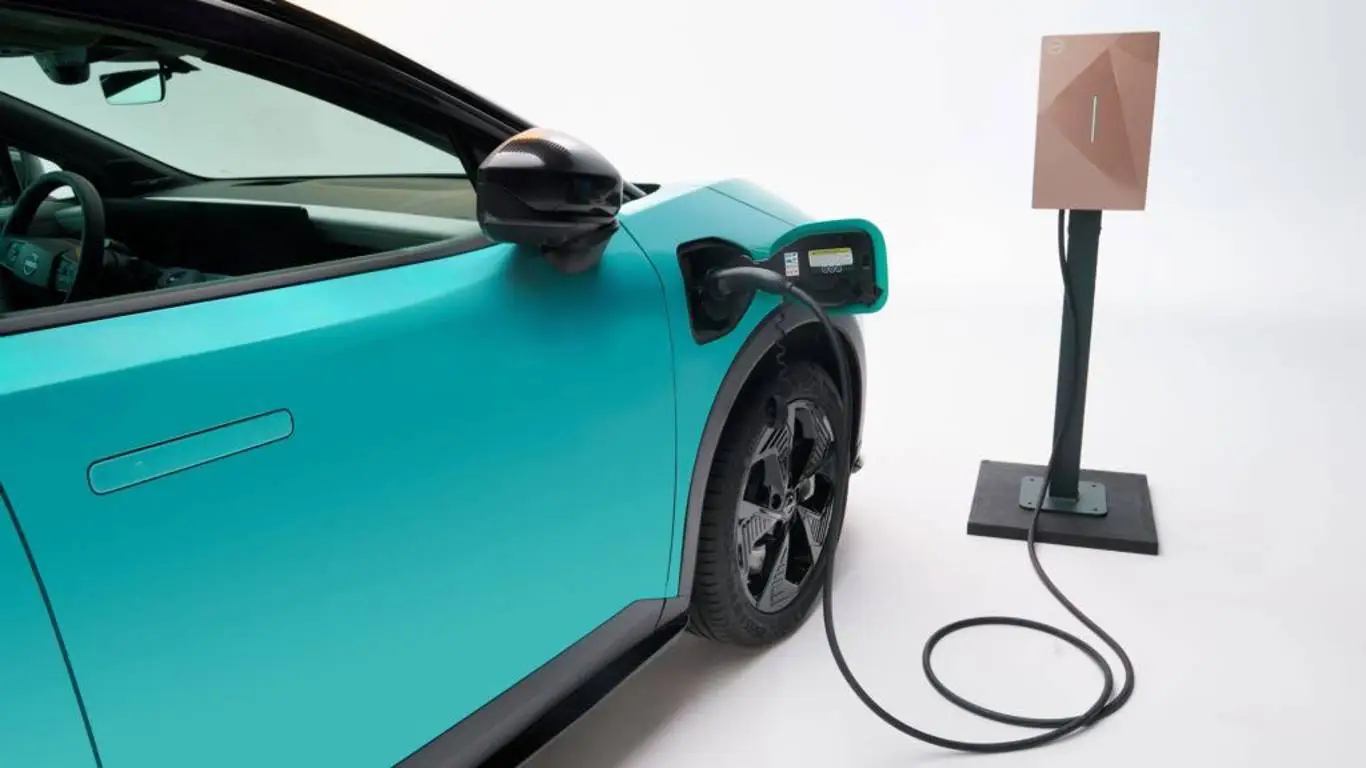
Valeo and Nissan are bringing bidirectional V2G charging to select EVs from 2026, starting in the UK. The Ineez system supports ISO 15118-20.
Valeo and Nissan have signed a contract that turns the electric car not just into transport, but into part of the energy system. The deal is about V2G: the car can charge when electricity is cheap and send energy back to the grid or home when rates climb.
The technical backbone is the Valeo Ineez charging system. It handles bidirectional energy transfer and supports the ISO 15118-20 protocol — a secure digital language between car, charger and grid. Without that standard, V2G remains a nice idea buried under incompatible solutions. With it, the EV plugs in not as a “big battery on wheels” but as a managed node in the energy system.
For Nissan this continues an old storyline. The Leaf made the brand one of the first mass players in bidirectional charging years ago, but the earlier technology stayed too niche. The new bet is different: an affordable system for selected EVs from 2026, starting in the UK and then rolling out across Europe. The owner gets more than an environmental argument — there’s real potential savings: charge cheaper at night, sell back during peak hours, power the home during outages or join grid programs.
According to 32CARS.RU, the competitive map looks like this: Tesla is strong in infrastructure and batteries, while Renault, Hyundai, Kia, Volkswagen and Chinese brands are pushing V2L/V2H/V2G in various flavours. Nissan can’t win on range or price alone, so V2G becomes its way to stand out — especially in Europe, where solar generation, variable tariffs and grid congestion all keep rising.
There are weak spots too. Buyers will weigh the promised savings against charger price, utility rules, battery wear, warranty terms and service availability in their country. Without a clear app and transparent payouts, V2G easily turns into a brochure feature nobody uses.
Nissan and Valeo aren’t really selling a charger — they’re selling a new role for the car: from electricity consumer to active asset.