Mercedes CLA 250+ EQ: a heavy premium EV outscores the small ones in Green NCAP
 mercedes-benz.com
Almost two tonnes, a 90 kWh battery and still five green stars: how the electric Mercedes CLA outperformed Toyota C-HR, MINI Cooper C and MG HS.
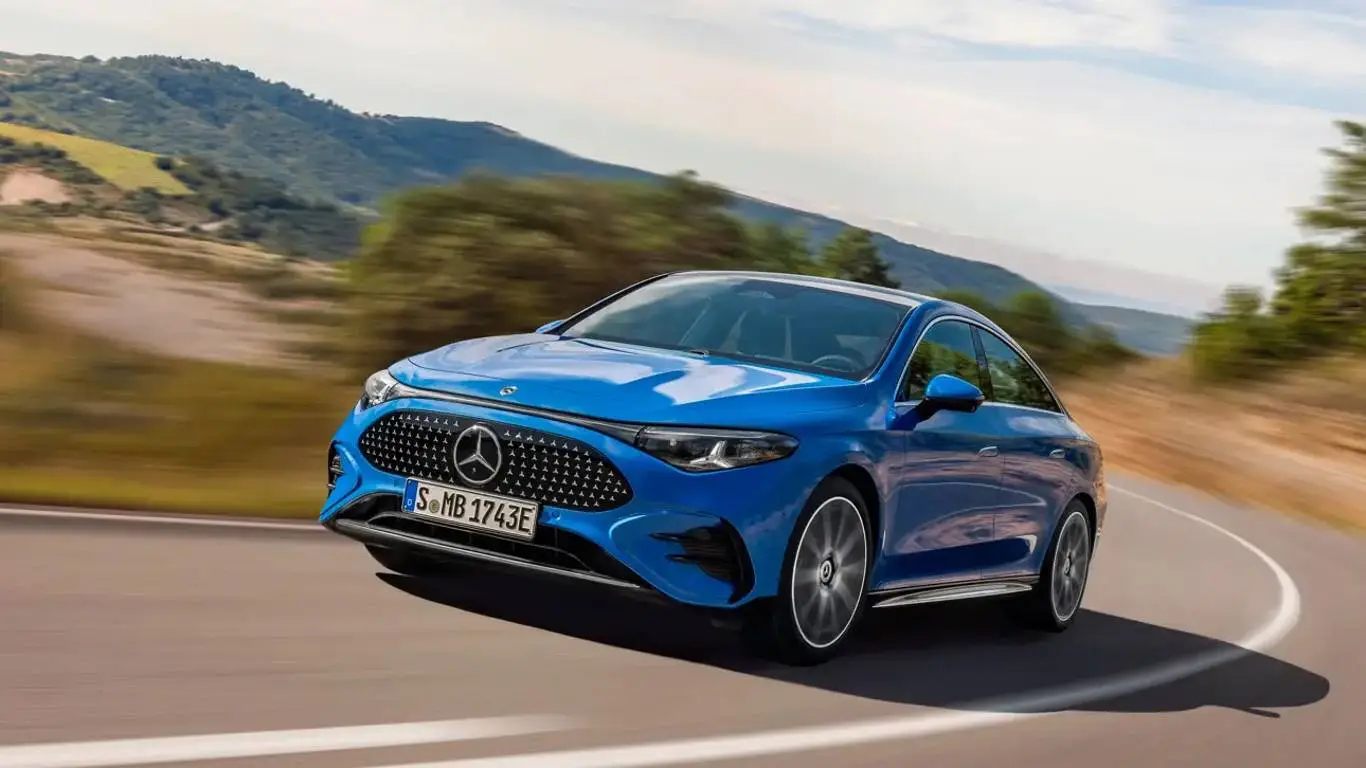
The Mercedes-Benz CLA 250+ EQ has unexpectedly become the headline act of the latest Green NCAP rating. A premium electric car weighing nearly two tonnes with a 90 kWh battery earned five green stars and an overall score of 91% — ahead of the Toyota C-HR Hybrid, MINI Cooper C and the petrol MG HS.
The key figure here is not power but consumption. The CLA’s official WLTP figure is 12.2 kWh/100 km, in Green NCAP’s warm-weather lab test it returned 13.9 kWh/100 km, and on the road at 9 degrees Celsius it used 14.6 kWh/100 km. Even in the dynamic high-speed motorway test the CLA stayed within 18.8 kWh/100 km — a rare discipline for a car of this mass. Mercedes pulled out the efficiency not just with the battery but with aerodynamics, a multi-source heat pump and tuned power electronics. In warm weather on rural roads Green NCAP measured up to 690 km of range, 651 km in the city, and up to 456 km on the motorway in −7 degree cold.
Charging is no weak spot either. Peak power reached 342 kW, the average came in at 286 kW, and the battery goes from 10 to 80 percent in 22.6 minutes — exactly what the manufacturer promised. There is also an optional 22 kW AC charging capability, although the CLA does not offer any bidirectional charging functions. Even so, this is long-distance territory, where an EV stops being a car only for the home and office. The CLA was not called perfect, however: its mass and aggressive accelerator response cost it points on tyre wear, though regenerative braking helped the brake-dust result.
The comparison with rivals turned out harsh. The Toyota C-HR Hybrid scored 66% and 3.5 stars: good fuel use, but the petrol engine stumbled on the cold-start test. The MINI Cooper C with its 1.5-litre turbo engine reached 52%, the MG HS only 26%, with the large petrol SUV burning up to 9.9 l/100 km on the motorway. For the market that is a signal: hybrids remain a sensible compromise, but the most efficient EVs are already winning beyond the spec sheet.
The CLA also matters to Mercedes as a response to the Tesla Model 3, BMW i4, Hyundai Ioniq 6 and the upcoming Chinese sedans. When a premium EV delivers serious range without inflated consumption, buyers start counting more than just the sticker price — they look at charging time, tyre degradation, winter mileage and real ownership cost.
Green NCAP has effectively shown that an electric car can be heavy and expensive yet still honestly efficient. The question now is how many buyers are ready to pay for that engineering work, rather than just for a big screen and a badge.