Citroen 2CV: legendary nameplate returns as a budget EV in a direct bet against China
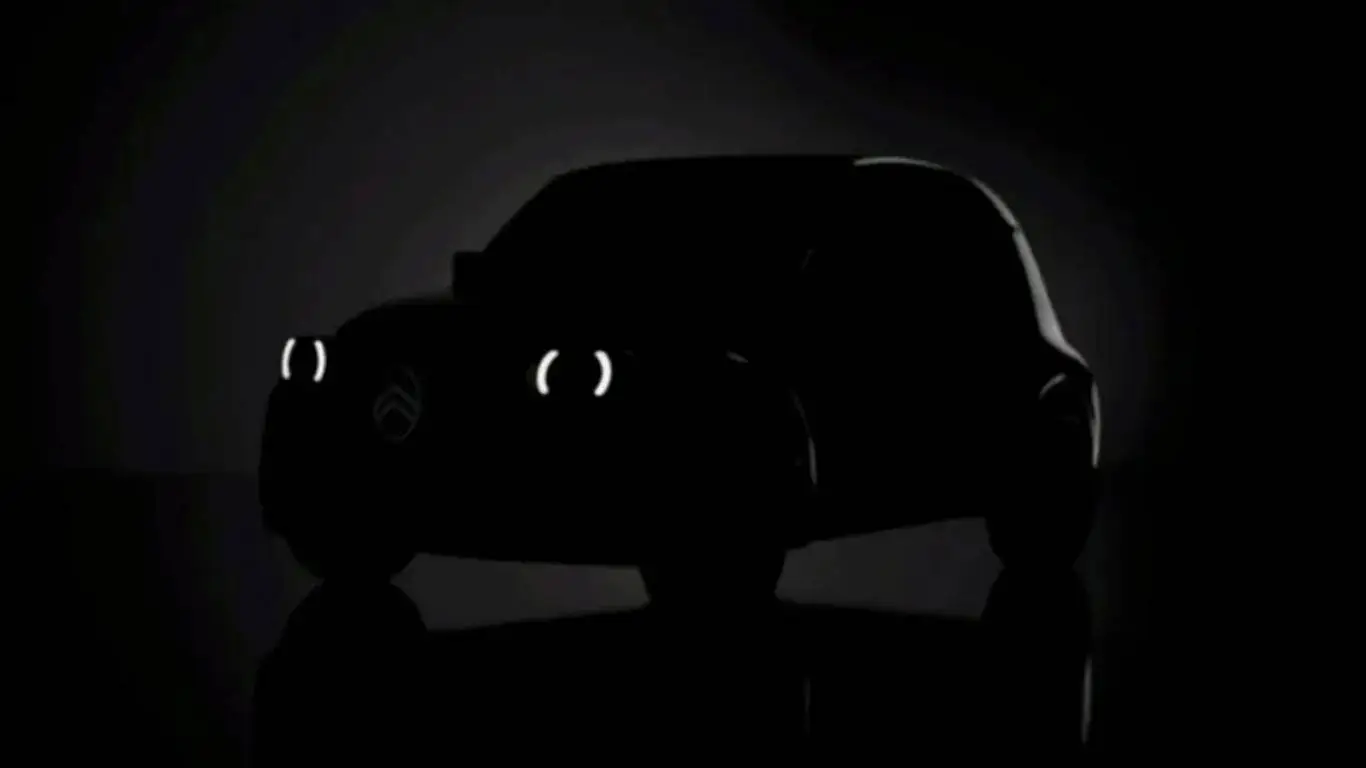 citroen.fr
Stellantis plans to revive the Citroen 2CV in 2028 as an all-electric city car priced under €15,000, built in Italy alongside the Fiat Pandina.
Citroen 2CV is coming back, but without a petrol engine and without retro romance for romance’s sake. Stellantis is preparing the new 2CV as a strictly electric, affordable car that will sit below the current e-C3 in the line-up.
The model will join the E-Car family — Stellantis’ range of low-cost European EVs. Production is planned at the Pomigliano d’Arco plant in Italy from 2028, alongside the future FIAT Pandina. The price target is under €15,000 (about $17,340). For Europe, this is an important psychological threshold: many EVs are still expensive even after subsidies, while Chinese brands are pushing hard on affordability.
There are no technical specs yet. Battery size, range and power have not been revealed, but the new 2CV is unlikely to chase records. The logic of the original was different: a simple car for everyday life, cheap to buy and to run. In electric form, that points to a modest battery, a low kerb weight, a compact body and a range built for city and suburbs rather than autobahn marathons.
The main rival is already obvious — the Renault Twingo E-Tech, which is also aimed at the cheap city EV zone. Next to them will be the Dacia Spring, the FIAT Pandina and, potentially, Chinese models such as the BYD Dolphin Mini, if they secure full access to the European market. Citroen has a strong card to play: even people who do not follow EVs know the 2CV name. But nostalgia alone is not enough — buyers will compare price, real-world winter range, charging speed and battery warranty.
For Stellantis, the new 2CV is more than a nice story. The group is trying to win back the cheap-car segment that European brands themselves have largely abandoned due to safety regulations, expensive platforms and thin margins. If Citroen can hold the price below €15,000 without making the car feel like a bare trolley, that will be uncomfortable news for Renault and for Chinese makers alike.
The riskiest part of the project is expectations. People want simplicity and freedom from a 2CV, while a modern EV inevitably comes with a battery, software and regulatory compromises. The new 2CV has to be more than a copy of the old one — it has to explain, all over again, why Europe needs a cheap car.