VW Osnabrück: T-Roc Cabrio is leaving, and no replacement is on the books yet
 A. Krivonosov
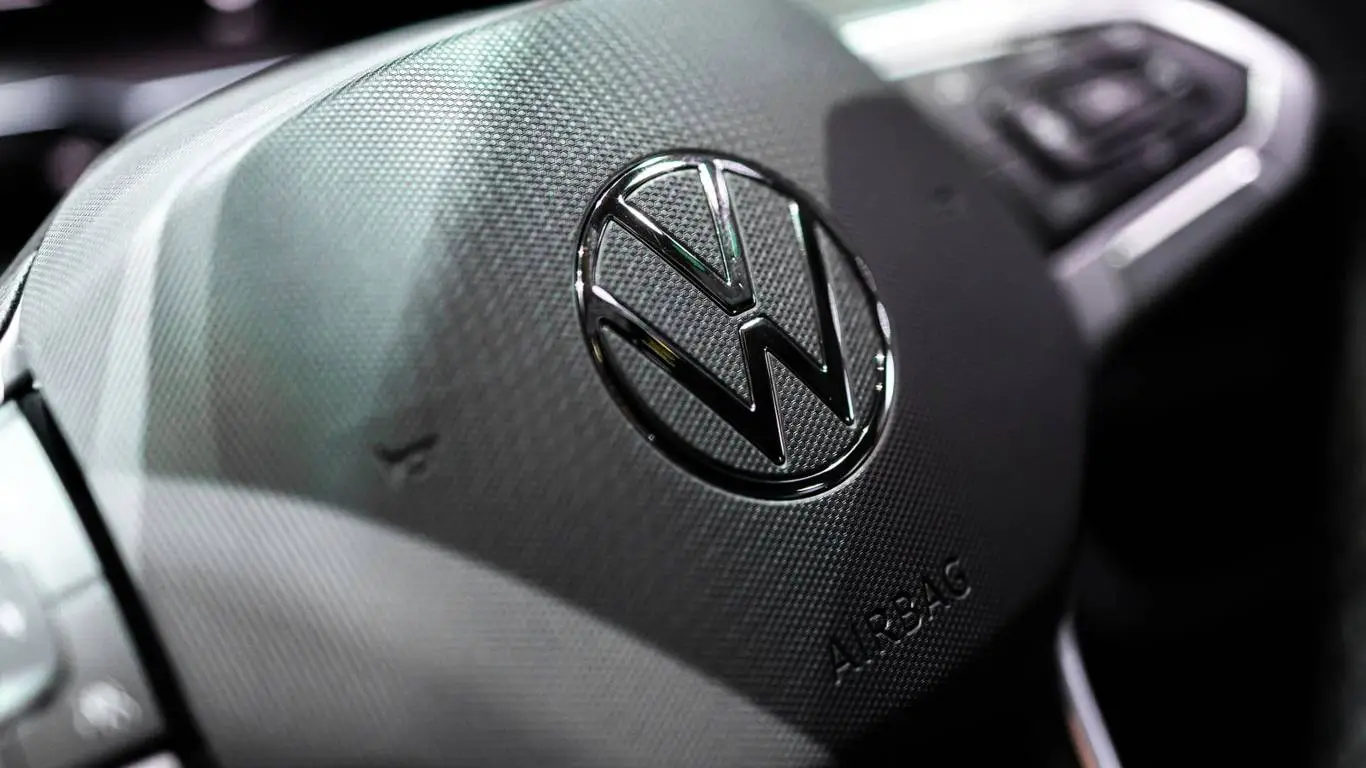
Volkswagen is winding down the T-Roc Cabriolet in Osnabrück by mid-2027 and has no confirmed successor for the plant. About 2,300 jobs and an entire site are now in limbo.
Volkswagen is once again showing just how painful the restructuring of the German auto industry has become. Production of the T-Roc Cabrio at the Osnabrück plant is being phased out, and after mid-2027 the site still has no confirmed new model.
Osnabrück isn’t one of VW’s main assembly lines — it’s a plant that specialises in small series and emotionally charged models. Right now it builds the open-top T-Roc, but the cabriolet niche has been narrowing for years: buyers are shifting to crossovers, EVs and more practical body styles. For the plant that’s a bad combination — an expensive German site, small volumes and a product that can’t guarantee workload for years to come.
The workforce and IG Metall are pressing management for a clear answer. Around 2,300 people are employed at the site, and for them a fading production line isn’t abstract optimisation but a signal that the runway to mid-2027 is getting shorter. VW says it is exploring options for the plant’s future, including projects with third-party companies. Among the directions floated earlier are specialty vehicles and the defence sector, but there is no finished production plan yet.
For Volkswagen this is part of a much bigger problem. The company kept capacity in Germany sized for stronger demand for years, but the market has shifted: Europe is buying more cautiously, China is pressing on price and technology, and the move to EVs demands different platforms and a different economic model. In that environment, even a strong brand can’t simply leave every plant in its old role.
Compared with Ford, Stellantis and Renault, VW is moving more cautiously, because in Germany the unions are strong and the federal states carry political weight. Closing a site is easier on paper than in real life. Which is why Osnabrück could become a test case for a new strategy: a VW plant doesn’t necessarily have to build Volkswagens if it can be filled with contract assembly, specialty vehicles or a partner’s project.
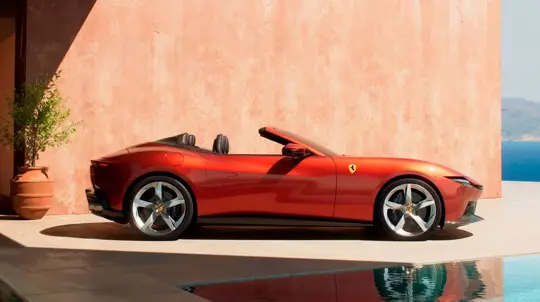
For buyers the story isn’t all that distant either. The more VW cuts niche models and costly low-volume projects, the narrower the choice of unusual cars like the T-Roc Cabrio becomes. The mass market is moving toward electric crossovers and unified platforms, while cabriolets are turning into a luxury not because of the price tag but because of the very fact that they still exist.