BMW 2002 by Son of Cobra: carbon body, 800 kg and zero electric conversion
 Son of Cobra
California shop Son of Cobra strips the BMW 2002 down to a carbon body and analog driving — no electric conversion, just 800 kg and an old-school sports formula.
California shop Son of Cobra builds the BMW 2002 not as a show restomod, but as a light, analog sports car with almost jewelry-grade craftsmanship. Founder Paul Lefevre came to cars through surfboards and brought the same logic with him: less mass, more handwork, maximum form and function.
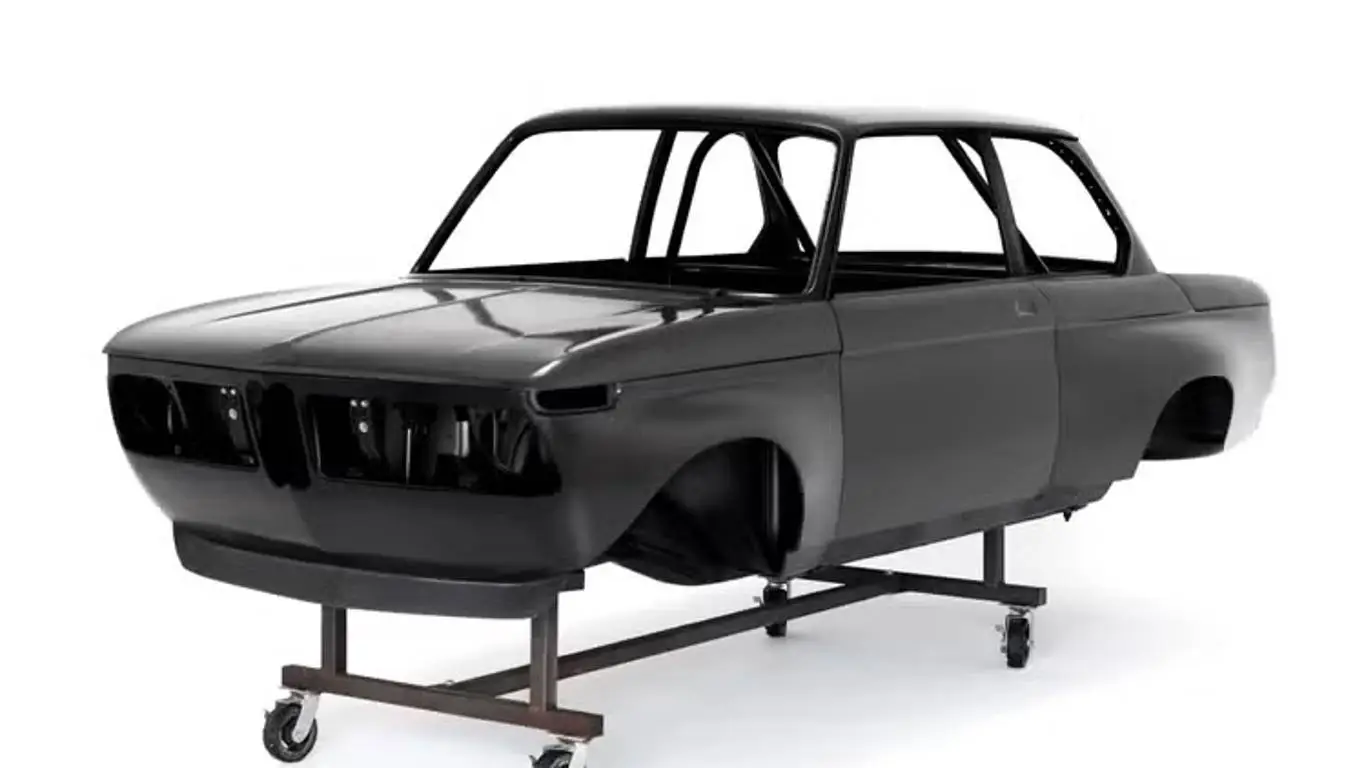
The headline feature of the project is a full set of carbon-fiber body panels paired with a lightened, reinforced chassis. Roof, doors, hood, trunk lid, Alpina-style flared arches, front splitter — everything is carbon. As a result, the BMW 2002 tips the scales at just over 800 kg. For the buyer, that means no chasing peak horsepower numbers but the old sports-car formula instead: a light body, a lively engine, mechanical feedback and nothing extra.
The engines were picked without any trendy EV conversion either. The base option is a carbureted 2.3-liter M10 stroker running Weber carburetors and putting down around 160 hp at the wheels. A fuel-injected version makes about 180 hp. The top variant is the S14 from the BMW E30 M3, displacing 2.3 or 2.5 liters and producing 210–250 hp at the wheels. With this kind of curb weight, that’s more than enough.
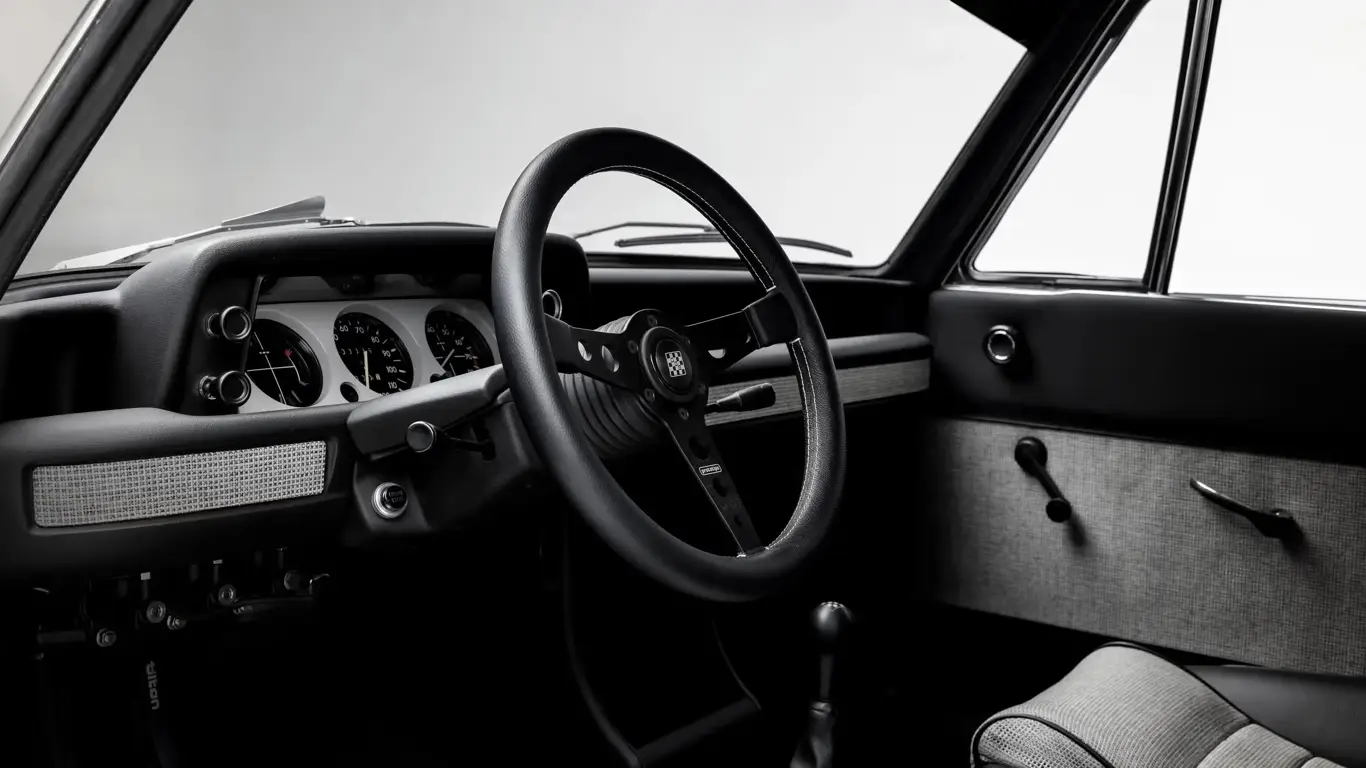
Interiors, bodies and details are made bespoke, by hand and with serious attention to finish. That’s why Son of Cobra doesn’t try to scale: the shop builds just two cars a year. The price isn’t mentioned in the source material, but at this pace and with this much carbon, it’s clearly not the affordable end of tuning.
This BMW 2002 isn’t valuable for its power figures. It’s a reminder that lightness sometimes beats turbos, screens and batteries.