Citroen 2CV and Fiat Pandina to Share Leapmotor T03 Platform
 media.stellantis.com
Stellantis revives Citroen 2CV and Fiat Pandina as affordable electric city cars under €15,000, using Leapmotor T03 platform. Production from 2028.
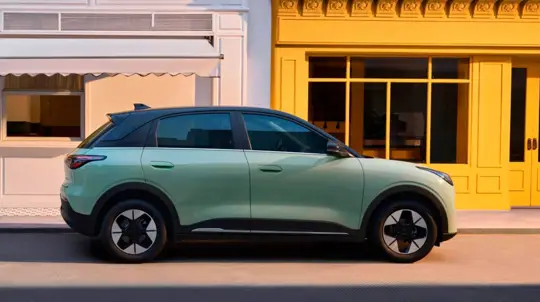
The revived Citroen 2CV and the new Fiat Pandina may be more closely tied to Chinese technology than their retro styling suggests. According to Spanish media reports, both models under the E-Car project could use the second-generation platform of the Leapmotor T03.
For Stellantis, this is a practical move. The group wants to quickly bring affordable A-segment electric cars to market, but developing a small EV platform from scratch is too costly and takes too long to recoup. Leapmotor is already working on a new T03, and Stellantis owns a 21% stake in the Chinese company, so the partnership makes sense.
The Citroen 2CV and Fiat Pandina are set to be electric city cars priced under €15,000. Production is planned at the Pomigliano d’Arco plant in Italy starting in 2028. For context, the current Citroen e-C3 Urban starts at €17,100 in Europe before subsidies, so Stellantis faces a tough challenge.
A prototype of the new 2CV will be shown at the Paris Motor Show in October. Citroen emphasizes that this is not just about reviving a legendary name, but about trying to create a simple, affordable, and human-focused car again—only now it’s electric.
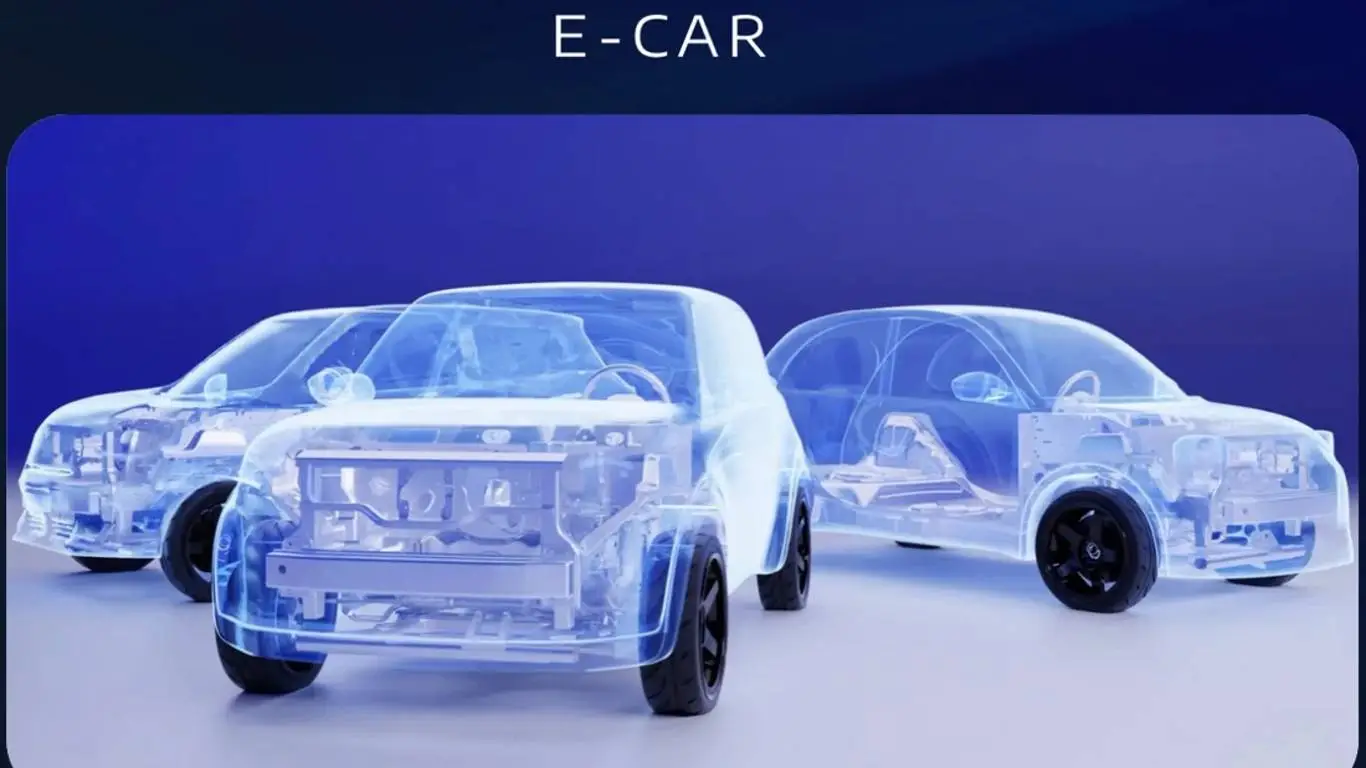
An interesting detail: when Stellantis announced the E-Car project, it showed three silhouettes, though only the Citroen 2CV and Fiat Pandina have been officially confirmed. The third model could be the new Leapmotor T03 itself. That would help spread development costs across multiple brands and fill production capacity faster.
For Europe, this kind of alliance seems nearly inevitable. Buyers are once again looking for small, cheap cars, but traditional automakers have forgotten how to make them profitably. Chinese engineering could be the key to bringing back an affordable urban EV—even if it wears very European names like 2CV and Panda.