Inside Volkswagen and Rivian’s shared vehicle software architecture
 B. Naumkin
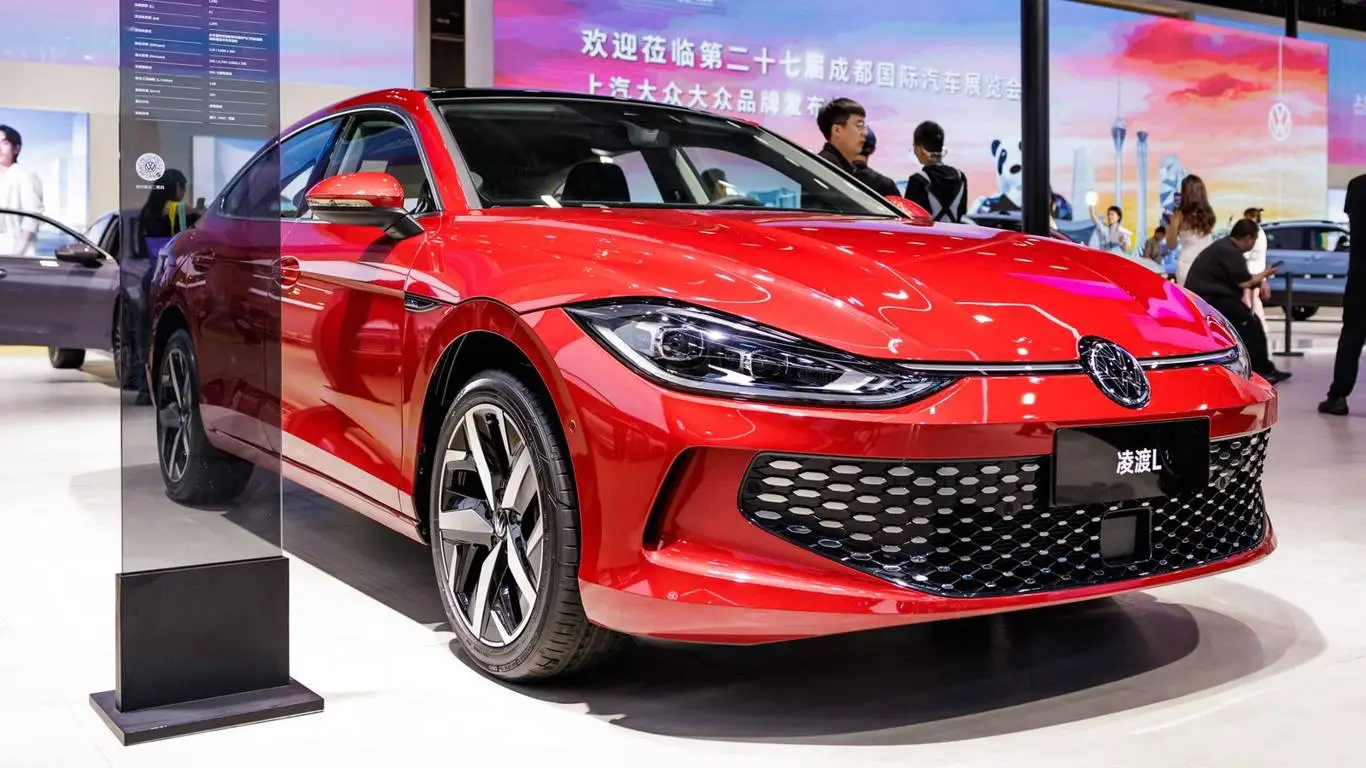
Volkswagen deepens its Rivian alliance to build a unified software-and-electronics architecture for EVs and beyond, targeting SSP and a 2027 ID.Every1 debut.
Volkswagen is deepening its strategic collaboration with U.S.-based Rivian, and now the company allows that the jointly developed technical architecture could extend beyond electric vehicles to models with internal combustion engines. Carsten Helbing, co-CEO of the RV Tech joint venture, noted that Rivian’s base system is highly flexible and, over time, could support different types of powertrains. Even so, Volkswagen’s main focus remains on EVs. Opening the door to combustion models looks like a pragmatic hedge rather than a change of course.
The system is being built as a unified next-generation software-and-electronics architecture. For Volkswagen this is crucial after software troubles at the in-house Cariad unit. A $5.8 billion investment in Rivian is intended to speed the shift to the SSP platform and narrow the technology gap with Tesla and Chinese manufacturers. Consolidating around a shared stack should reduce complexity and help VW move faster without repeating past missteps.
By late 2025, winter testing of the new solutions will begin on Volkswagen ID.Every1 models, as well as on Audi and Scout test prototypes. The first series-production vehicle with RV Tech architecture is due in 2027—the compact electric ID.Every1. By the end of the decade, Rivian’s software core is set to appear in more VW Group models, including future cars on the SSP platform. The cadence suggests Volkswagen is prioritizing stability and maturity over rushing features to market.
Against a backdrop of slowing EV demand in the United States and increasing competition from Chinese brands in Europe, unifying electronics stands out as a key step in refreshing VW’s lineup and improving development efficiency. In today’s market, that kind of consolidation reads less like an option and more like table stakes.