Chinese carmakers set bold 2026 targets on EVs and exports
 B. Naumkin
Chinese automakers target 2026 growth via EVs and exports as the home market cools. Plans from Geely, Changan and Nio signal intensifying competition.
Chinese automakers are bracing for a challenging 2026 and are already building in growth, despite a cooling home market. Industry analysts say legacy groups aim to lift volumes by 10–15%, leaning on electrification and exports, while pure EV makers are plotting much bolder expansion.
Geely Automobile, having met its 2025 plan at 3.025 million vehicles, wants to push sales to 3.45 million in 2026—about a 14% increase.
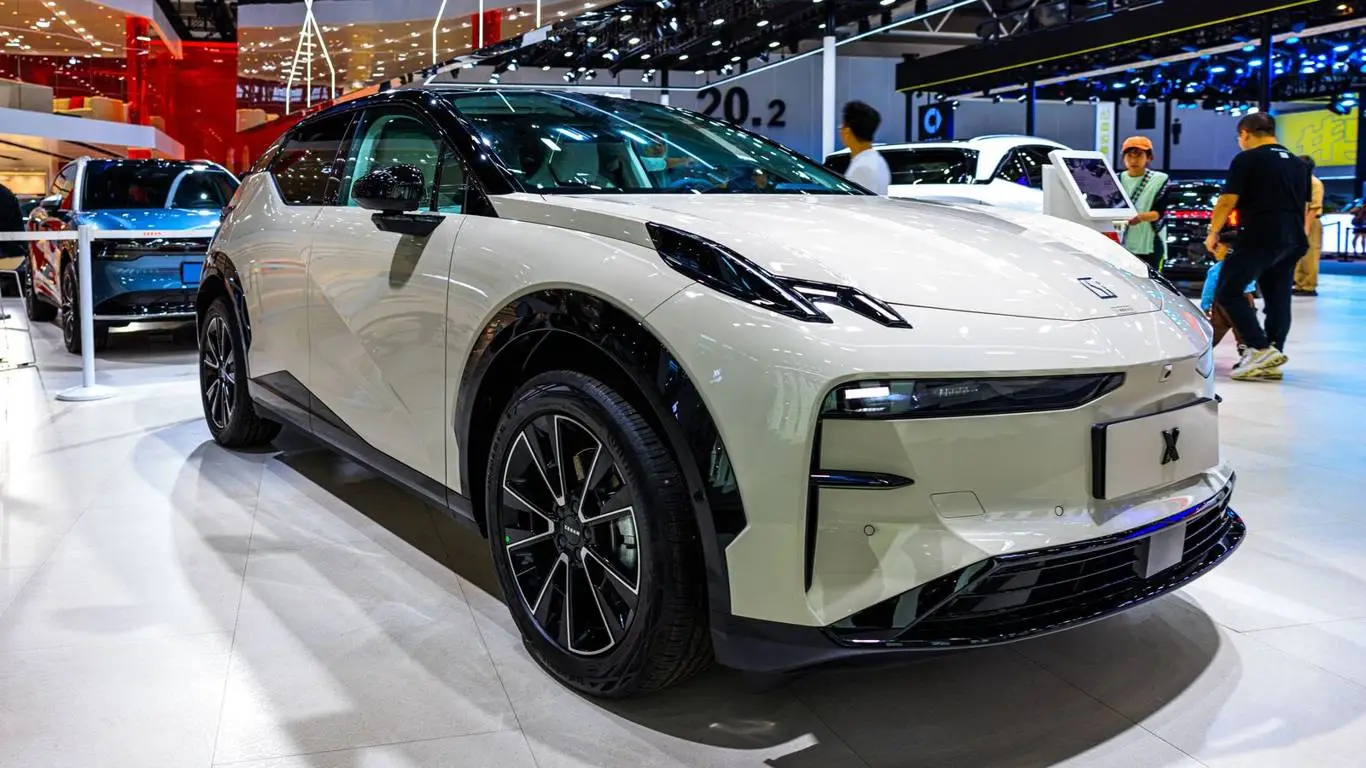
Most of the lift would come from the Geely brand at 2.75 million units, with Zeekr and Lynk & Co targeting 300,000 and 400,000 respectively. Sales of new energy vehicles are expected to climb to 2.22 million, taking their share to 64.3%.
Changan Automobile has set a 3.3 million-vehicle target, up 13.3% year on year. Roughly 1.4 million of those are planned to be electrified models, and exports are slated to reach 750,000 units.
Chery Group remains ambitious as well—3.2 million cars versus 2.806 million a year earlier—banking on the launch of 17 new models with an emphasis on electrification and intelligent systems.
Dongfeng Motor has put the bar at 3.25 million vehicles, including 1.7 million EVs and hybrids and 600,000 for overseas markets. Great Wall Motor is more cautious, stating a minimum goal of 1.8 million; even so, that would be growth of more than a third compared with 2025.
The most aggressive plans come from EV specialists. Leapmotor intends to lift sales from 596,600 to 1 million vehicles; Xiaomi Auto is aiming for 550,000 after more than 410,000 in 2025; and Nio is looking for a 40–50% gain to 456,000–489,000 units. All this is unfolding while the overall market inches forward.
By the China Passenger Car Association’s estimate, about 24 million passenger cars will be sold in 2026—just 1% more than the previous year. The share of new energy vehicles could reach 61%, which would further squeeze traditional ICE models.
Set against a near-flat market, these targets look far more optimistic than the underlying demand. The fight for buyers is set to intensify, weaker players will find it harder to stay afloat, and electrification and exports shift from growth levers to matters of survival. In such a climate, consolidation stops being a distant scenario and starts to look inevitable.