Tesla Model 3 at −28°C: real-world battery drain, comfort and cost
 Скриншот Youtube
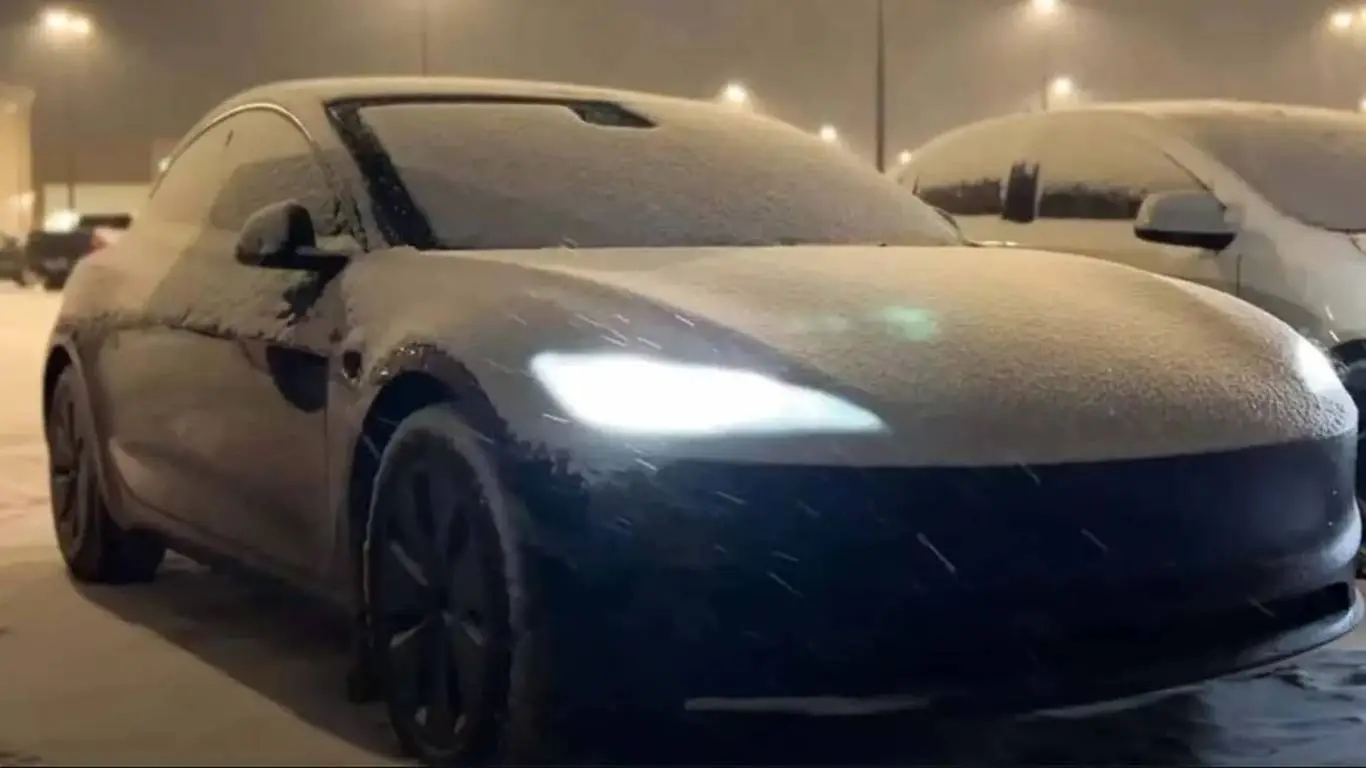
We left a Tesla Model 3 Long Range outside at −28°C overnight with heat on. See real-world battery drain (3–4%/h), 34.4 kWh used, ~€5 recharge—warm and safe.
Cold-weather EV use still worries many drivers. In Canada, a straightforward experiment left a Tesla Model 3 Long Range outside at −28°C for the entire night with the cabin heat on and no plug-in. It’s the kind of real-world check that cuts through speculation.
How the extreme test was run
The setup mirrored a plausible roadside emergency. The Model 3 was parked outdoors without charging, with the cabin set to hold 20°C. Seat heaters, climate control and the infotainment system stayed on. The battery started at 66%—a real-world state of charge rather than a lab-ready full pack.
Energy use and vehicle behavior
During the first hours, consumption was higher—about 4% per hour—as the system warmed the cold battery and cabin. Once temperatures stabilized, energy use dropped to roughly 3% per hour.
After more than 12 hours of continuous operation, the car had used around 36% of its charge while maintaining a comfortable interior and full system functionality.
What this means for drivers
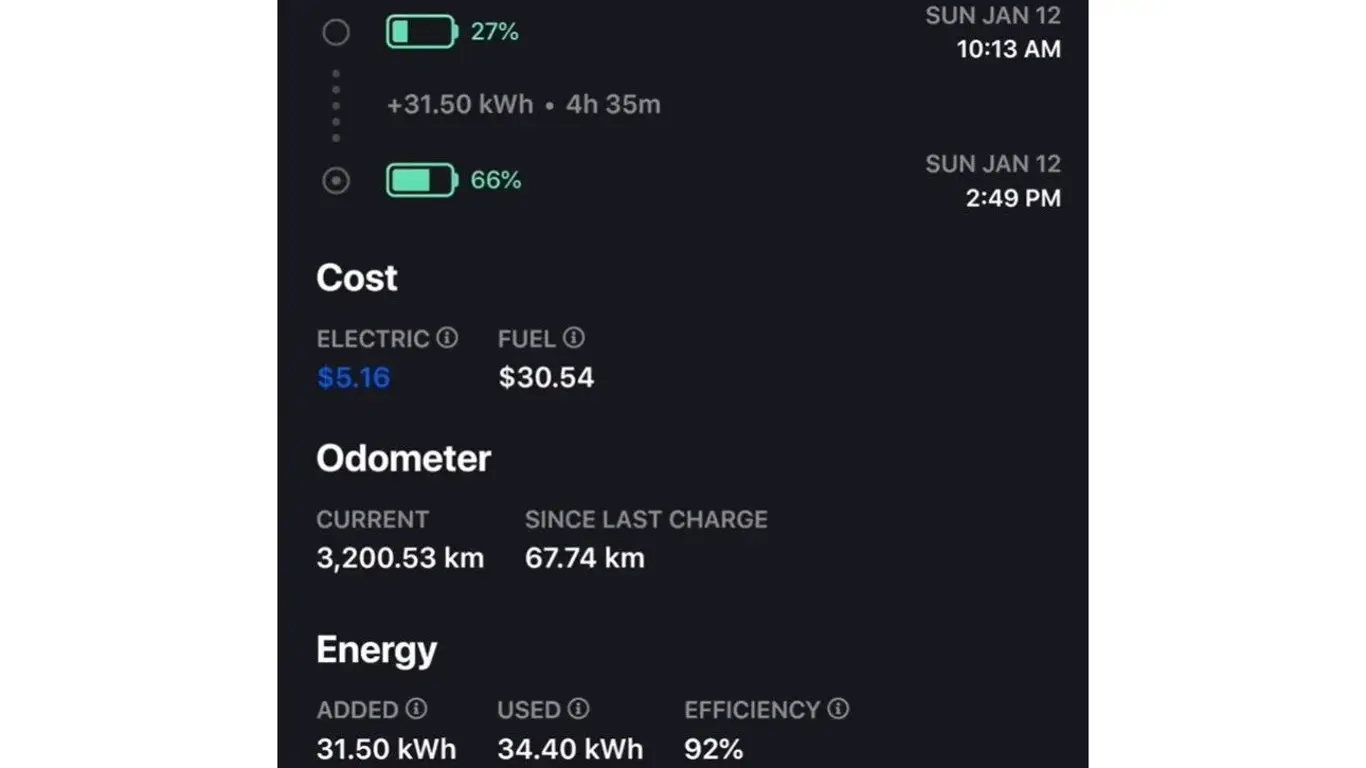
Total energy consumption came to about 34.4 kWh, with the subsequent recharge costing roughly €5. By comparison, a gasoline car idling for the same stretch would burn fuel worth almost twice as much.
The test shows that a modern electric car can keep the cabin warm and occupants safe for hours even in severe cold, challenging the notion that EVs simply freeze in winter.
The Tesla Model 3 experiment suggests that a winter night without a plug is not a critical situation for an electric car. With measured energy use and a high level of comfort, EVs prove not only viable but also cost-effective even in harsh climates.