How rubberized asphalt from recycled tires is reshaping US roads
 B. Naumkin
Discover how rubberized asphalt made from recycled tires is improving US road construction—longer-lasting, quieter surfaces in warm states like California.
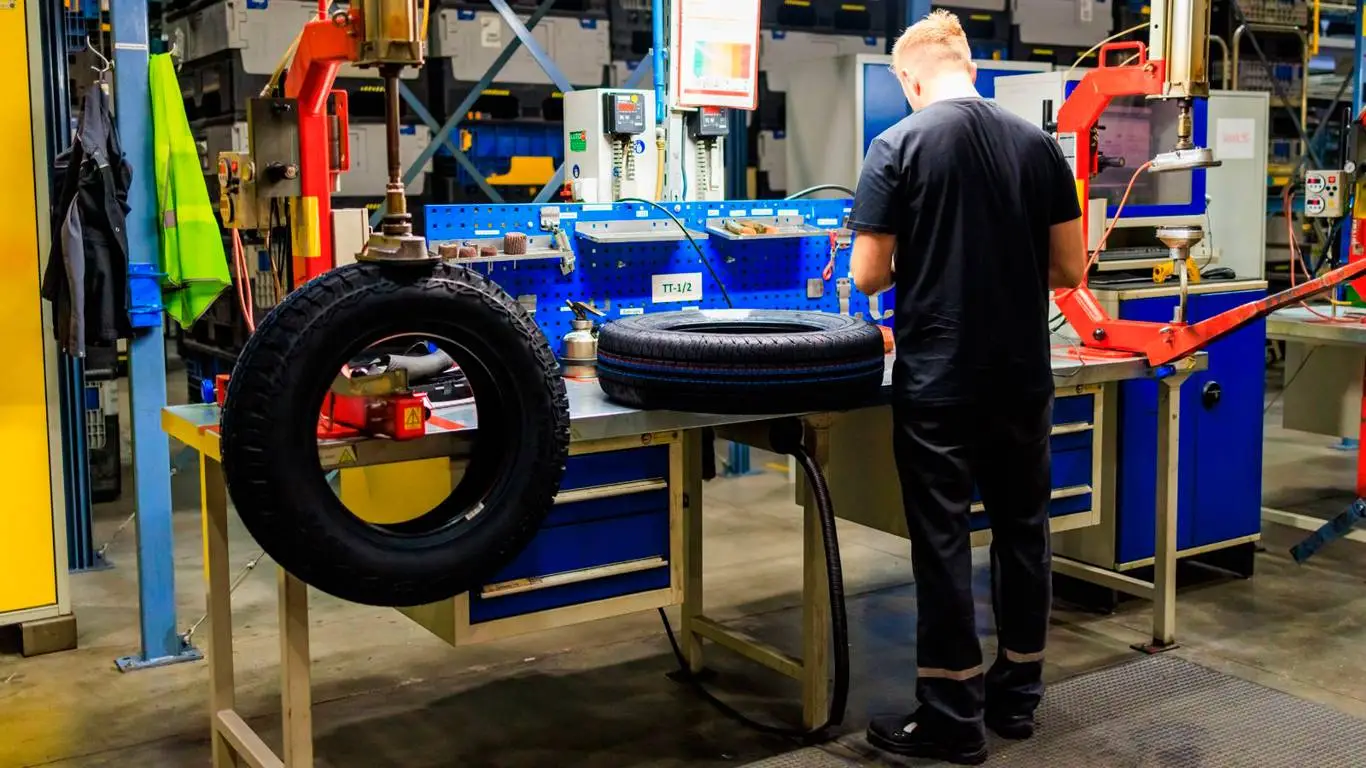
Worn-out car tires are increasingly getting a second life in road construction instead of ending up in landfills. Across the United States, ground rubber is blended into asphalt, boosting performance while cutting waste. These rubberized mixes are already in use or on trial in Arizona, California, Florida, Georgia, and Texas.
California leads the charge: by law, Caltrans must include recycled rubber in at least 35 percent of its paving projects. In Georgia, rubberized asphalt is being used on the experimental I-85 The Ray section, as well as in Atlanta’s road upgrades ahead of the World Cup.
According to road agencies and industry research, rubberized asphalt can extend pavement life by up to 50 percent and last more than a decade in hot climates. It also reduces noise by about four decibels and retains less heat, which helps ease nighttime warmth in cities. On the road, that translates into longer-lasting, quieter surfaces—modest improvements that make everyday driving a touch more pleasant.
Still, the technology isn’t a fit for every region. In cold climates, rubber loses elasticity and breaks down faster, so the benefits are most compelling in warmer states. Specialists emphasize that the choice of paving materials should match operating conditions, the local climate, and regional needs—an approach that keeps expectations grounded and results consistent.