Inside the Red Bull RB17: Newey’s V10 hybrid track monster
 Red Bull Racing
Hear the Red Bull RB17’s 4.5‑liter V10 hit 15,000 rpm and explore its aero and specs: under 900 kg, 1,200 hp hybrid, Cosworth V10, 50 units priced at £5.75m.
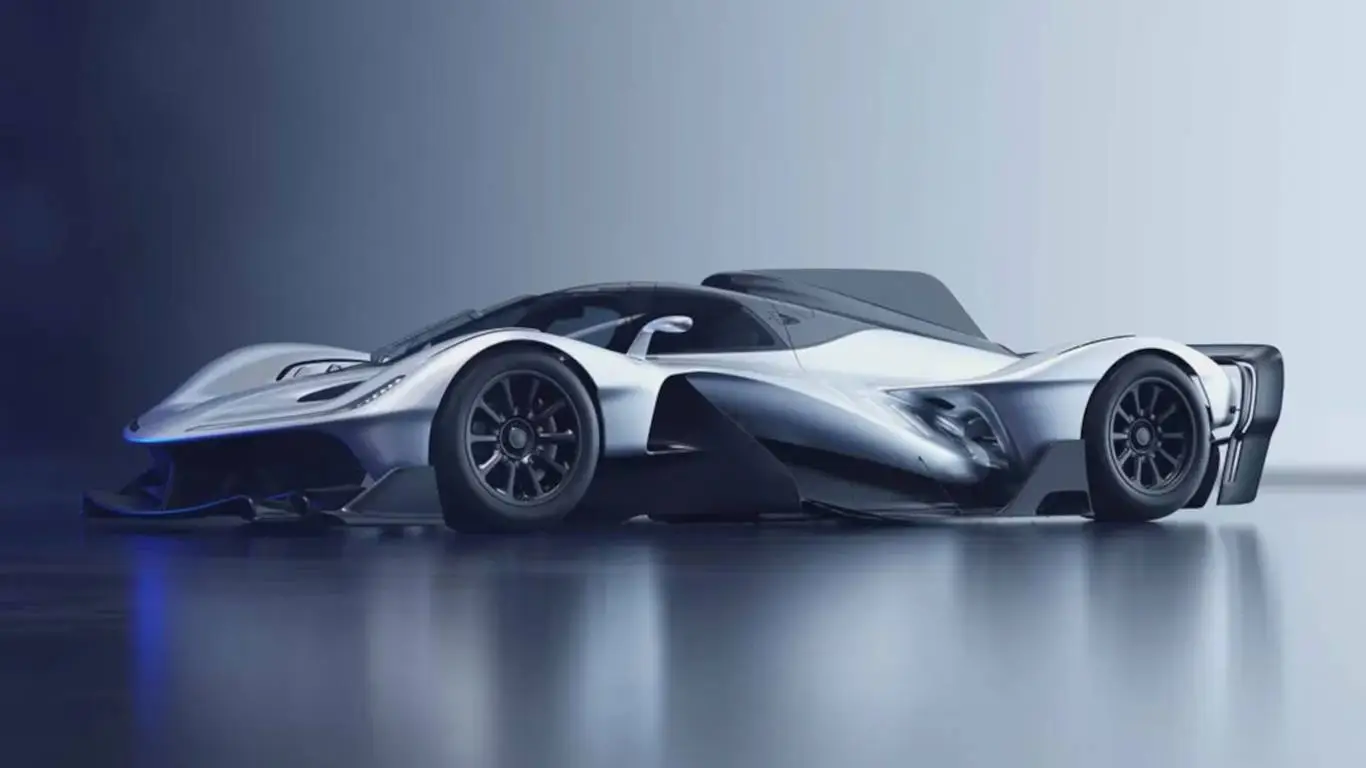
When Adrian Newey finished honing the Aston Martin Valkyrie, it felt like the ceiling had been hit. But the Red Bull RB17 reads as the next step toward outright speed, where engineers no longer have to glance at rulebooks. In a fresh video of the RB17, the car appears in a near-finished state—outside and, for the first time, in real detail inside—and, crucially, lets us hear the 4.5‑liter V10 climb to 15,000 rpm. Next to that soundtrack, even the Valkyrie starts to seem restrained; everything about the RB17 looks single-mindedly aimed at lap time.
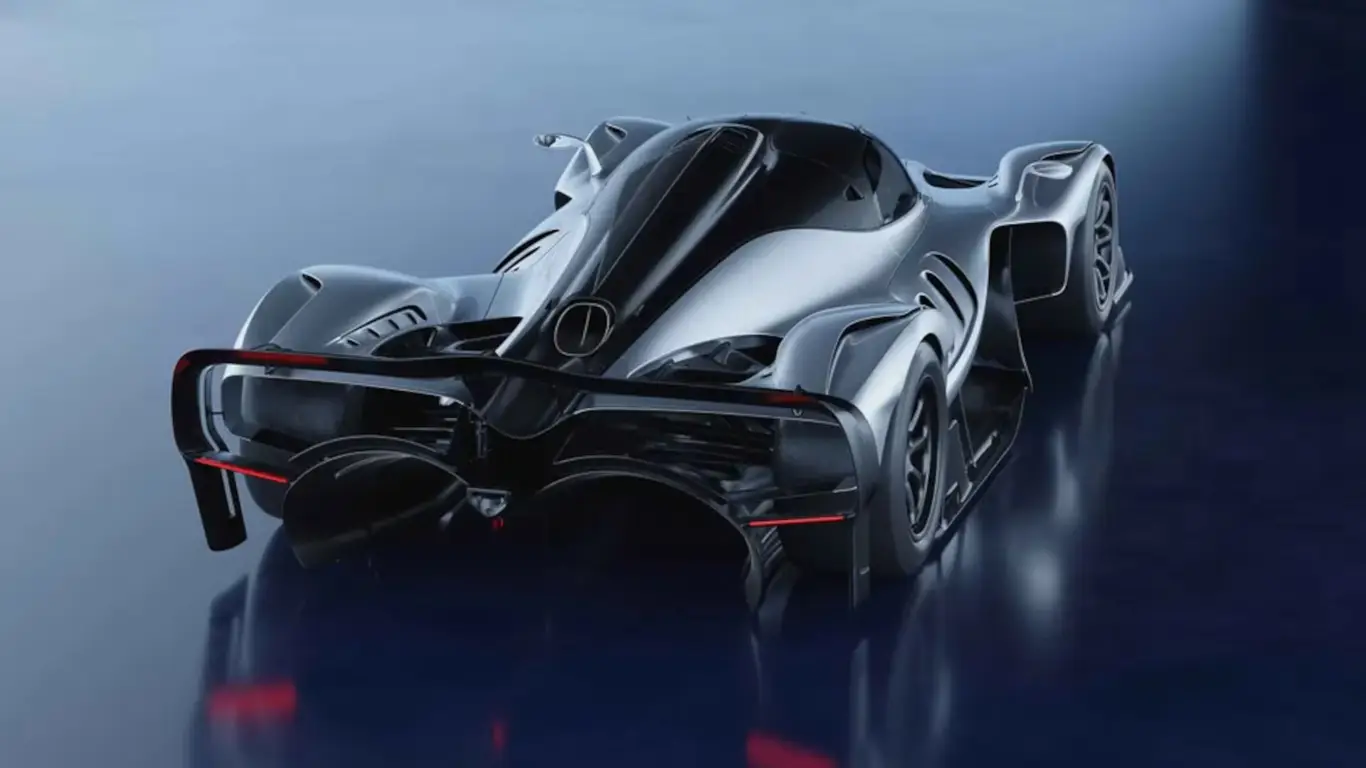
One of Newey’s final touches proved surprisingly painful for the engineers: the exhaust was moved to the spine of the engine cover. The move looks dramatic and makes aerodynamic sense, but it immediately raises thermal risk—so the team had to seriously rework heat shielding to keep nearby components from overheating. In parallel, the RB17 gained more thoroughly developed aero: L‑shaped lighting, tidy air ducts, and a prominent fin on the engine cover in the spirit of Le Mans prototypes.
Inside, the philosophy is pure race car. The steering wheel is rectangular with an integrated screen; the center console carries physical knobs and switches. Red Bull makes it clear that touch panels and haptics are off the table, because in a machine of this caliber everything should be tactile and immediately intelligible. In an age of glossy interfaces, that approach feels refreshingly focused.
The headline, of course, is the claimed performance. The RB17 is targeted to weigh under 900 kg, span dimensions close to a modern F1 car, and deliver around 1,200 hp from a Cosworth V10 paired with an electric motor. Beyond assisting with torque, the electric side also provides reverse for the sequential gearbox, saving weight. The price is 5.75 million pounds, and all 50 cars have already been allocated.