Colorado clears Scout Motors to sell vehicles directly through 2026
 scoutmotors.com
Colorado grants Scout Motors a 2026 window for direct vehicle sales, a VW-backed test of EV and EREV retail. Dealers plan legal fights as other states watch.
Scout Motors has secured a crucial regulatory edge in the United States: Colorado’s dealer licensing board voted to let the company sell vehicles directly, bypassing traditional franchise networks. The majority decision is in effect through October 31, 2026, clearing the way for Scout to open branded experience centers and complete new-vehicle sales in the state.
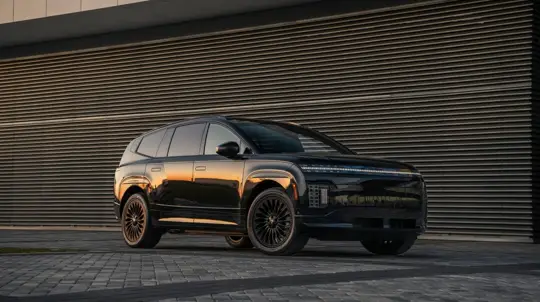
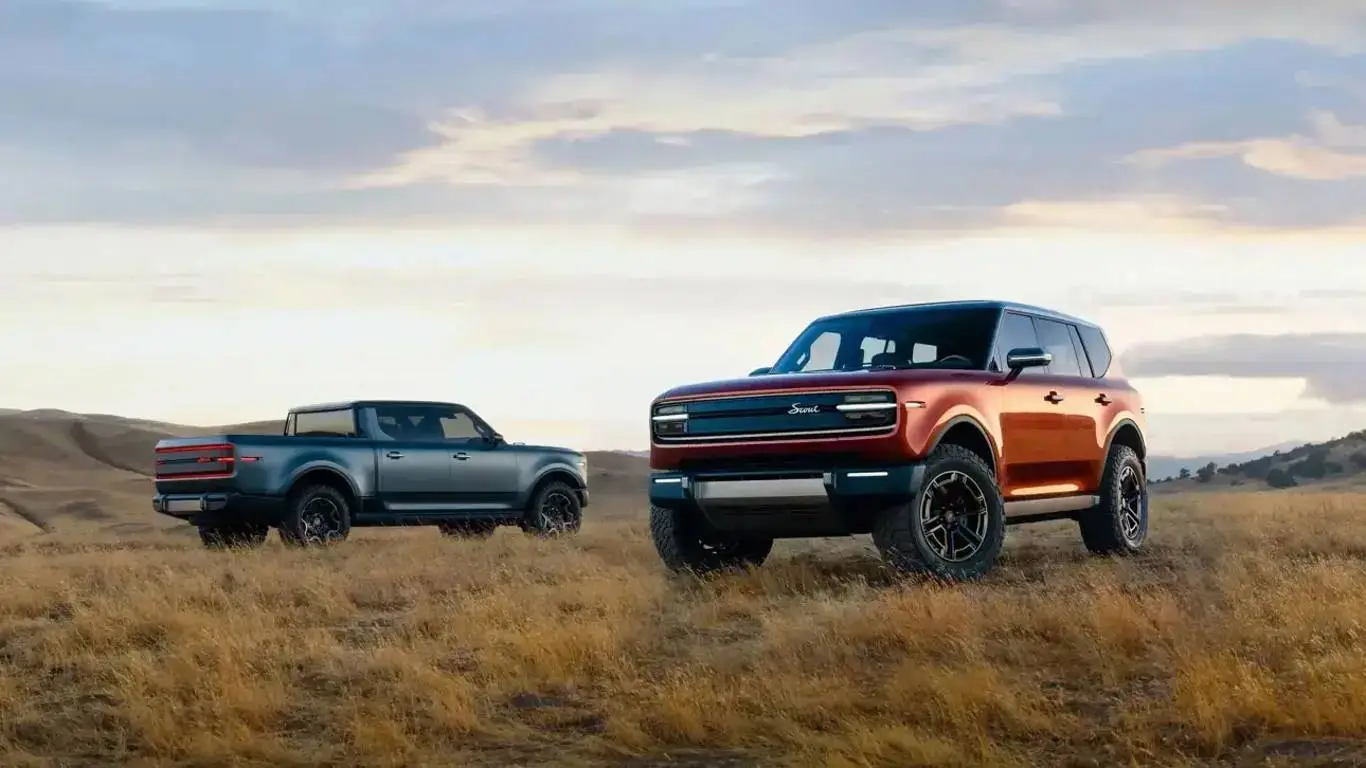
For Volkswagen Group, which is financing the venture, this is the first real win for a direct-sales strategy. Scout is preparing the Traveler SUV and Terra pickup in both battery-electric and extended-range electric (EREV) versions, and it is targeting 2027 to begin sales. The company presents the process as transparent on pricing and easier for customers, with executives likening it to ordering straight from the manufacturer—no haggling, no hidden markups. On paper, the proposition is built to spare buyers the usual back-and-forth.
Dealers see the move as a warning sign. The Colorado Automobile Dealers Association argues the state has essentially allowed a manufacturer to control retail, even though laws have historically kept automakers out of the dealership business. The dispute turns on a legal nuance: the board determined that Scout is not the same brand line as Volkswagen, Audi, or Porsche, which opened the door to approval despite the group’s financial backing.
Opponents describe this structure as a loophole. They note that Scout plans to sell not only pure EVs but also EREVs with a gasoline generator, so the project does not look like a narrow exception reserved for some new electric-only brands. Meanwhile, the fight is already underway in other states, with Volkswagen dealers filing lawsuits to block Scout’s direct sales in California and Florida.
Colorado could now set a precedent. If this framework holds, other automakers may find a roadmap for navigating franchise restrictions through new marques and separate corporate setups. Dealers, in turn, are considering a court appeal, and the clash is likely to be protracted. The outcome will test how much brand architecture—and the way it is carved out on paper—can tip the balance in the showroom.