EMPA's inductive wireless EV charging hits 90% in Swiss trials
 newsroom.porsche.com
Swiss EMPA trials show inductive wireless EV charging at about 90% efficiency in real-world weather, reliable for daily use and expected in new cars by 2026.
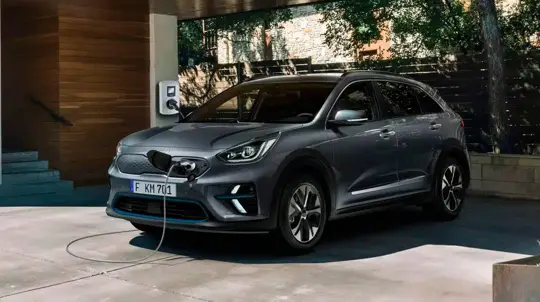
Swiss researchers at the Swiss Federal Laboratories for Materials Science and Technology (EMPA) have presented the results of an inductive-charging project for electric vehicles. The trials showed that wireless charging reaches efficiency on par with traditional cable-based charging.
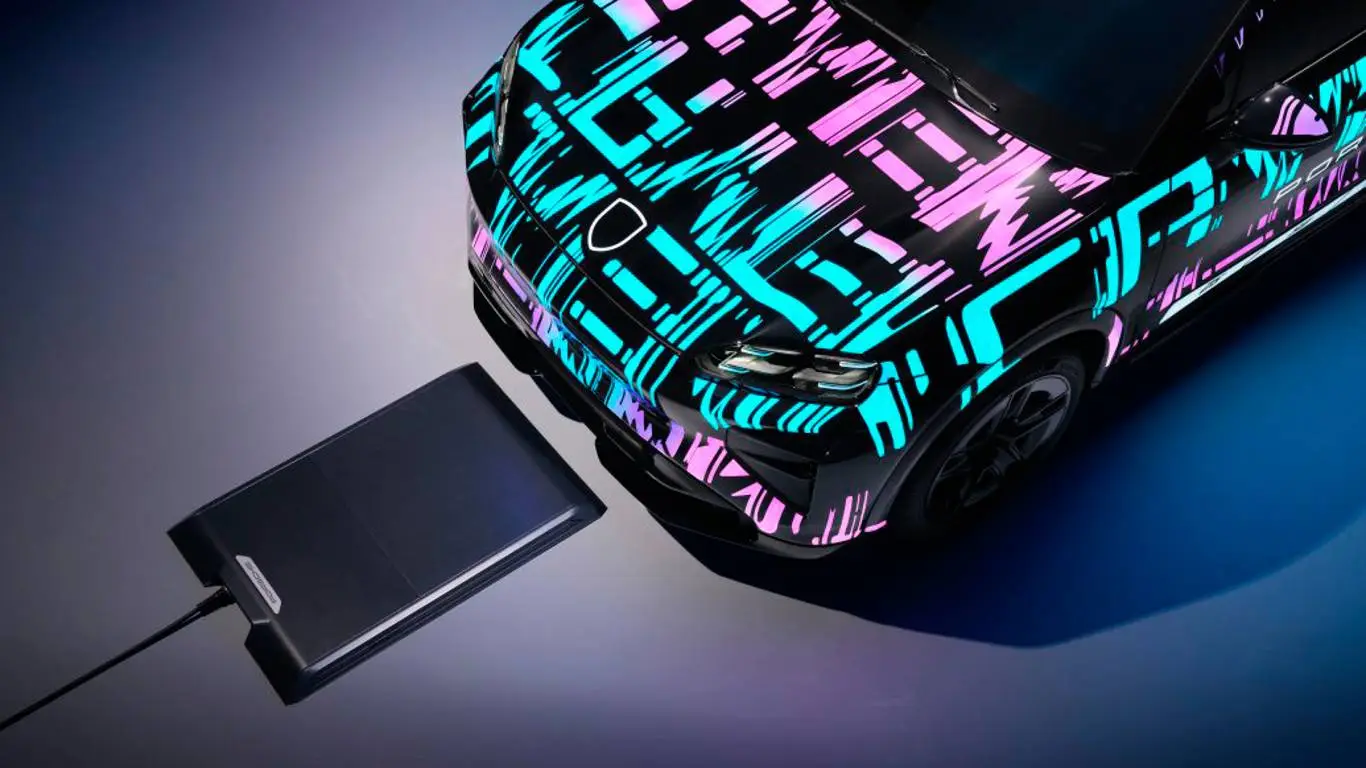
The technology transfers energy via a magnetic field between a coil embedded in a road slab and a receiving coil mounted in the car. To begin charging, the driver positions the vehicle precisely over the platform; the system then automatically checks for foreign objects and starts the process.
As part of the project, the first cars equipped for inductive charging were approved for use on Swiss roads. Tests ran in real-world conditions, including rain, snow, temperature swings, and minor parking misalignment. Recorded efficiency was about 90 percent. EMPA representatives said the system proved reliable and ready for everyday use. From a driver’s seat, figures like that put the wireless setup in the same league as a plug, which is what counts day to day.
Developers note that inductive charging could become a key piece of the future energy ecosystem, especially as renewables gain ground. They expect solutions of this kind to progress in the segment of new cars arriving in 2026.