Oil consumption in GDI engines: symptoms, risks, and how to monitor levels
 A. Krivonosov
Mechanic explains hidden oil consumption in Hyundai/Kia GDI engines: warning signs, why it accelerates, and how regular dipstick checks can save the engine.
Many drivers assume that once the oil is changed, they can simply drive until the next service. Mechanic Alexey Stepantsov explains why that confidence can be risky: some engines neither leave puddles nor smoke, yet start burning oil on the move. Quick-service shops may miss the issue because they often do not record the oil level before draining. The car gets fresh oil to the spec, the owner departs convinced everything is fine, even though the vehicle may have arrived already low.
This scenario is especially common with direct-injection (GDI) engines widely used by Hyundai and Kia, and found on many other brands. Over time, deposits and changes around the piston rings can compromise oil control, letting oil slip into the combustion chamber. The troubling part is how sharply the process can accelerate: at first everything seems normal, then consumption turns critical and the engine faces oil starvation, which catches many owners unprepared. That calm after warm-up can be deceptive, quietly masking a problem that is getting worse.
Telltale signs often show up before any warning light. Stepantsov points to a ticking sound on cold starts, chain rattle, and uneven running—symptoms of brief pressure drops when chain tensioners and timing components do not receive proper lubrication.
He adds that the danger lies in the fact that, once warm, the engine may run smoothly and drivers write it off as age. In his practice, a car with about 210,000 km arrived almost dry just 1,500 km after a service visit.
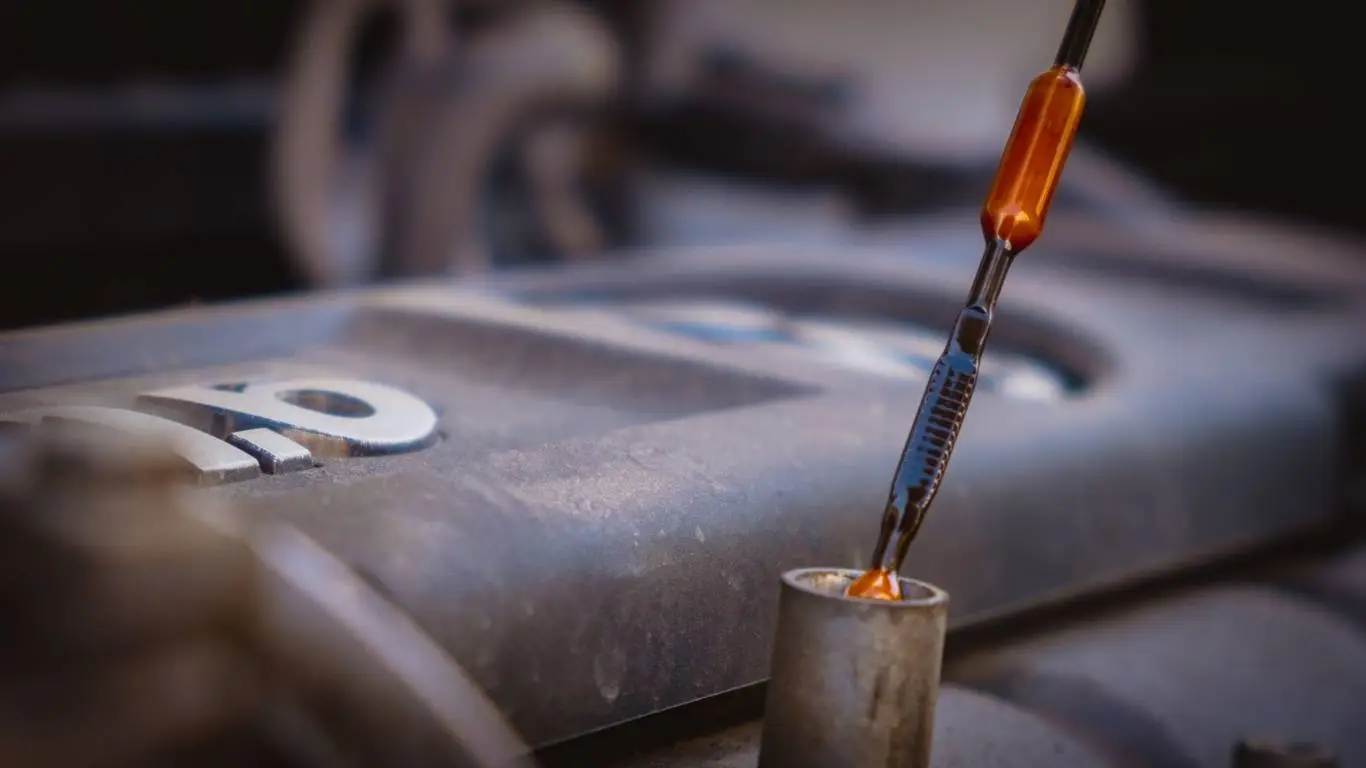
The most useful takeaway for higher-mileage cars is straightforward: check the dipstick regularly, especially after 80–120 thousand kilometers, and always between oil changes. If the level drops noticeably, log both mileage and top-ups—this protects the engine and gives you a clear record for any warranty programs or disputes.