Inside FOA: how Fisker Ocean owners are keeping their EVs alive
 fiskerinc.com
After Fisker's collapse, Ocean owners formed FOA to replace lost support—building an app, seeking software rights, and keeping parts flowing with Magna.
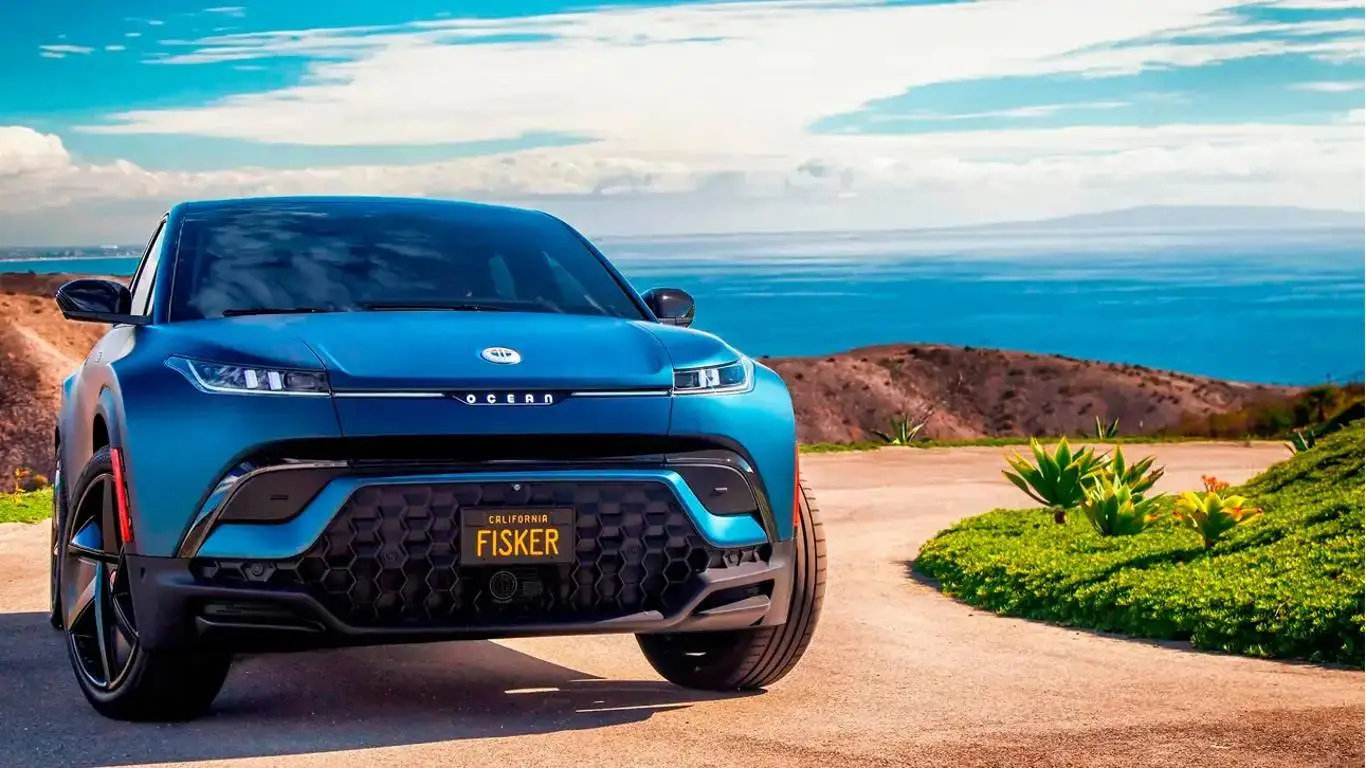
The Fisker Ocean could have been one of the electric-car market’s brightest stories, but it wrapped up far too soon. The American brand built roughly 12,000 crossovers and then effectively disappeared, leaving thousands of owners without support, a service network, or software updates. For an EV, that’s critical: without reliable code, a modern car can turn into little more than a brick. The abrupt fade-out underlines how exposed software-first vehicles are when the company behind them goes dark.
Owners of the Ocean responded with an unprecedented move. They formed the non-profit FOA with one goal: keep the cars on the road. The group is zeroing in on software, which governs almost every function of the Ocean. Bugs in the initial releases were already causing stability issues, and a shutdown of Fisker’s servers could strip the cars of updates, remote access, and parts of their electronic feature set. It’s a grassroots workaround that reads less like a stopgap and more like a pragmatic survival plan.
FOA members have already built their own mobile app, intended to replace Fisker’s proprietary software over time. The association is also negotiating to acquire rights to the software and hardware, and it is trying to reach an agreement with Magna in Graz, where the Ocean was produced, to keep spare-part manufacturing alive. In Europe, some of that continuity is backed by law, yet electronic modules and software remain the weak link.