Winter wiper blades explained: silicone vs rubber, when to use, care tips
 A. Krivonosov
Learn how winter wiper blades differ from regular ones: closed housings, silicone vs rubber longevity, when they’re worth it, and cold‑weather care tips.
Winter wiper blades truly differ from regular ones—not just in appearance but in how they’re built. The defining feature is a closed housing with a rubber boot that shields the pivots from icing. These blades come in two main types: classic framed models wrapped in a protective cover and frameless versions that press evenly across the glass.
Materials matter, too. Rubber blades are more affordable but lose elasticity faster, while silicone options last about twice as long and handle deep cold better, albeit at a higher price. For that reason, experts often describe silicone as a long-term investment in safety and visibility. When the weather turns nasty, that trade-off in cost is easier to justify for the sake of clear sightlines.
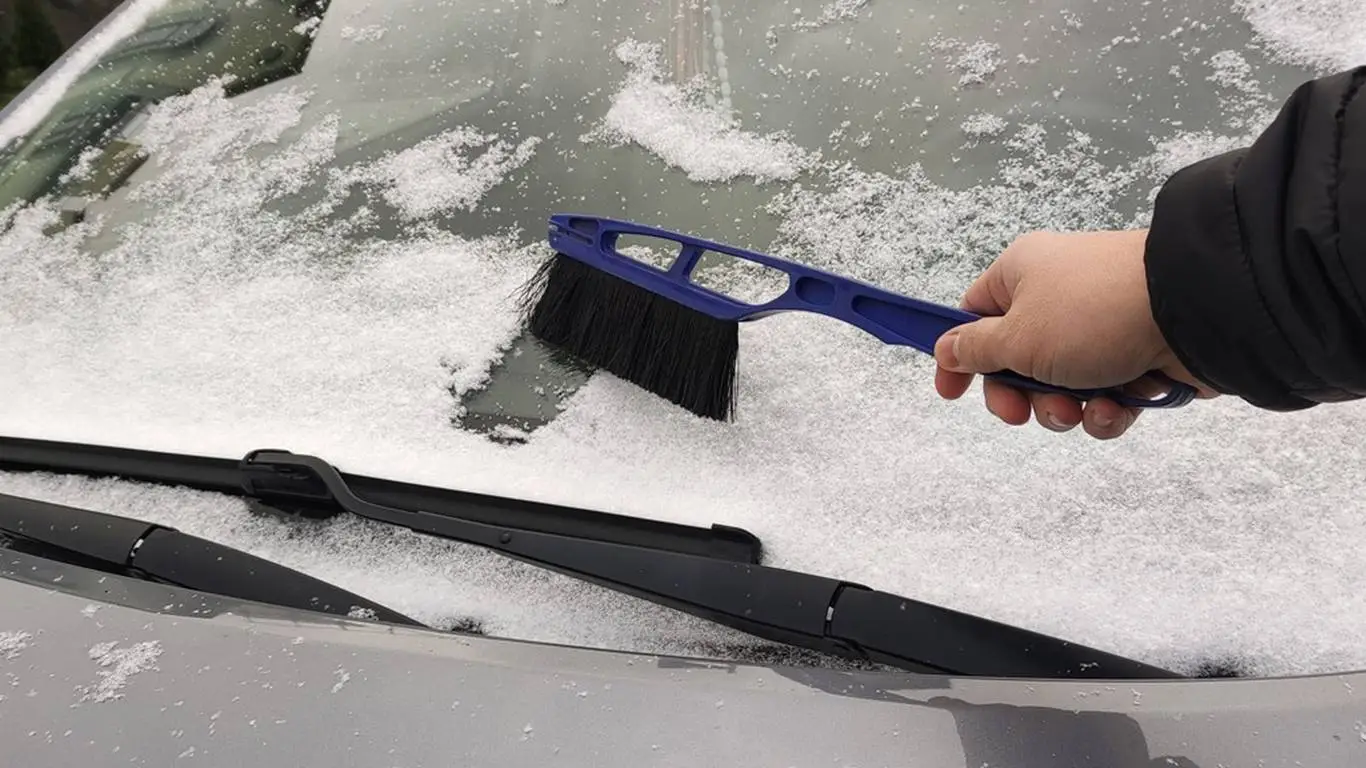
If you live where snow is routine and temperatures drop below −10°C, winter blades make sense. They’re thicker, sturdier, and don’t tear when clearing ice. To extend their service life, specialists recommend lifting the wipers during overnight parking, avoiding use on a frozen windshield, and periodically cleaning the blades with warm water or washer fluid. In freezing weather, it’s important to use winter-grade washer fluid to prevent freezing.
Bottom line: winter wipers prove their worth in harsh climates, while in milder conditions, high-quality all-season silicone blades can confidently take their place.