Hyundai’s V2X rollout: V2G in Europe, V2H in the US, pilots in Korea
 B. Naumkin
Hyundai accelerates V2X with V2G and V2H: pilots in Korea, a launch in the Netherlands, and V2H in the US. EV9 and Ioniq 9 lead with bidirectional charging.
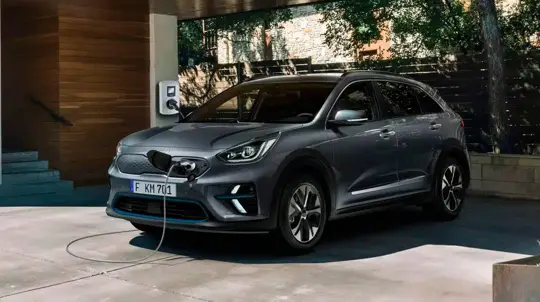
Hyundai Motor Group says it is accelerating the global rollout of V2X services—systems that let an electric car serve not only as transport but also as energy storage for a home and even a component of the power grid. In practice, this comes down to two modes: V2G (vehicle-to-grid), when the car can push electricity back into the network, and V2H (vehicle-to-home), when the battery keeps a house running as a backup source.
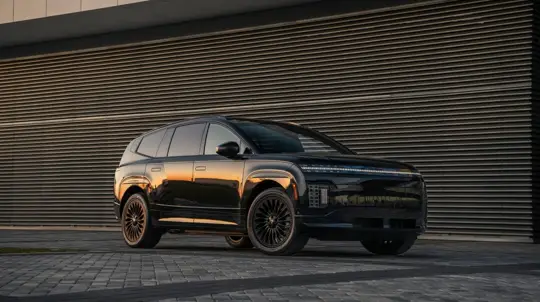
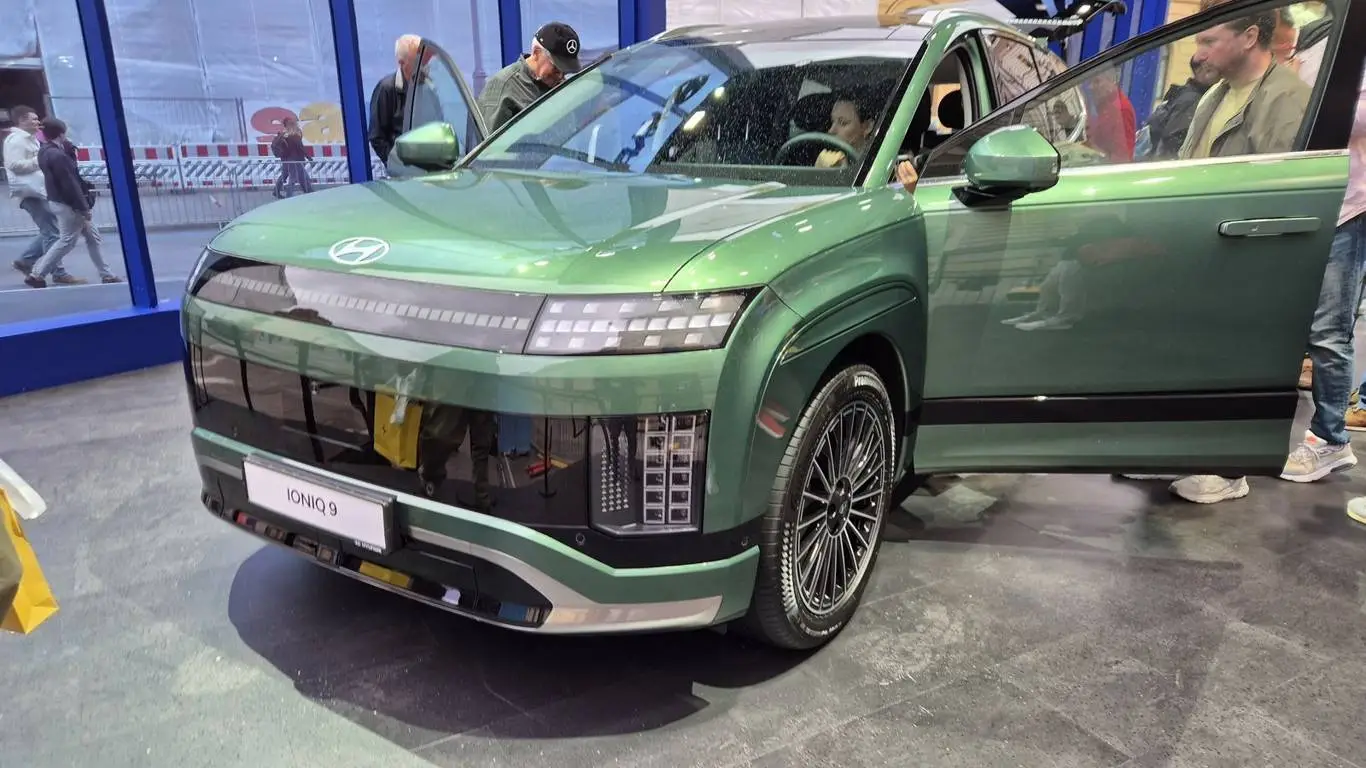
In Korea, the country’s first V2G pilot is planned for Jeju Island by the end of 2025. The project will involve the Kia EV9 and Hyundai Ioniq 9, aiming to support a region that can be hard to balance because of abundant renewable generation. Participants will be able to charge their EVs when rates are lower and feed power back to the grid during peak hours, helping stabilize the system and potentially trimming overall costs. Jeju’s profile makes it a practical test bed for this kind of service.
In Europe, the emphasis is on the Netherlands: there, Hyundai intends to launch a commercial V2G service built on bidirectional charging. Customer sign-ups are planned by the end of 2025, with the service starting on the EV9 and Ioniq 9 and then expanding to other models and countries.
In the United States, Hyundai is preparing V2H—for outages, natural disasters, and the sting of peak pricing. Kia has already rolled out V2H for the EV9, and Hyundai will begin with the Ioniq 9 before widening the list of compatible models.
V2G and V2H might sound like a novelty, yet in practice they are among the few tools that can make owning an EV genuinely more cost-effective—especially where tariffs swing and the grid needs help with balancing. The approach shifts electric cars from pure mobility to active energy assets, and that’s where the value case becomes much clearer.