Inside the hand-built engineering of the Porsche 918 Spyder
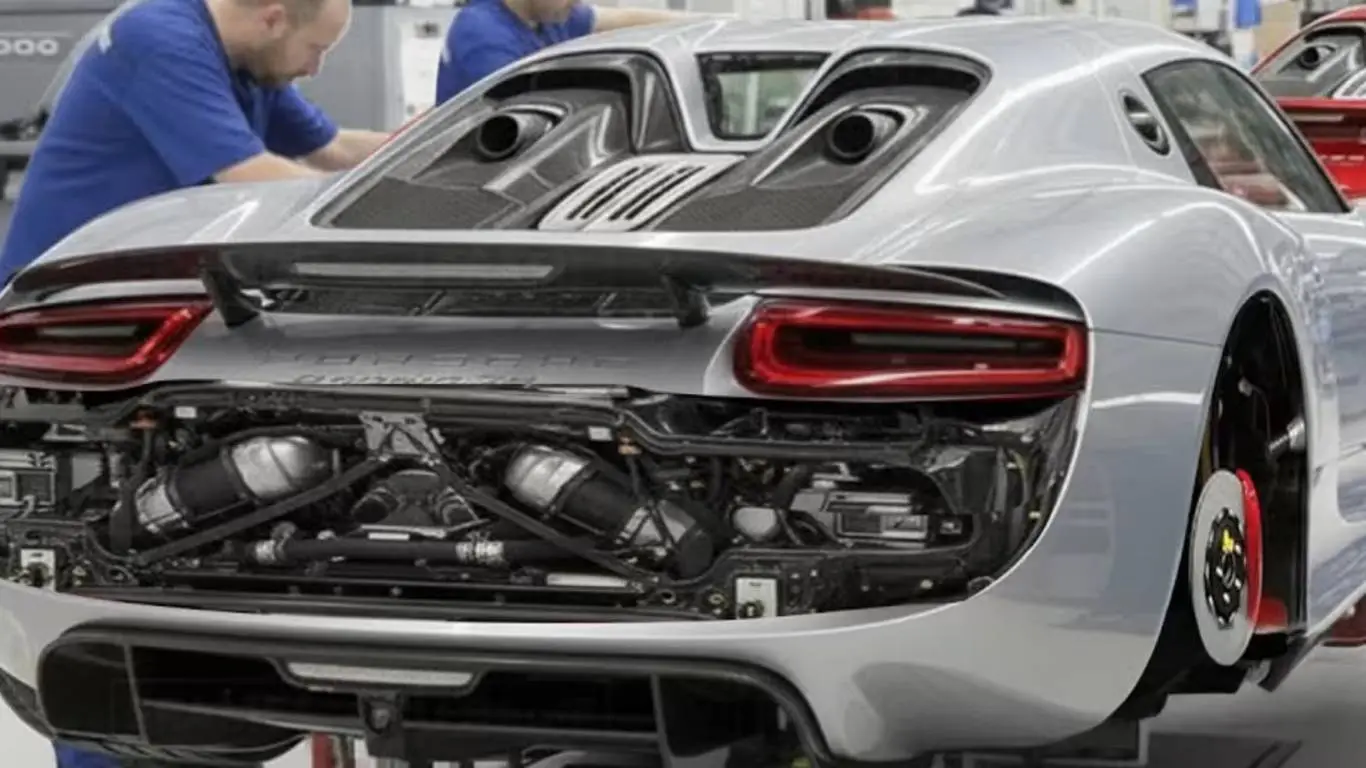 Скриншот Youtube
Explore how Porsche 918 Spyder was hand-built in Zuffenhausen: carbon‑fiber structure, precision assembly, and an 887 hp hybrid V8 with twin electric motors.
Porsche’s 918 Spyder stands as one of the defining hypercars of the early 2010s and a member of the so‑called hybrid trio alongside the Ferrari LaFerrari and McLaren P1. Unlike mainstream models, the 918 Spyder was built with virtually no traditional assembly‑line routine: production ran at Porsche’s Stuttgart‑Zuffenhausen plant, where the 911 is produced in parallel. The company said each example took around 100 hours of hand assembly, with more than 250 suppliers involved in the parts chain.
Precision sat at the heart of every operation. Installation and fit control relied not only on pneumatic tools but also on measuring fixtures, and several tasks were completed in situ—very much in the spirit of low‑volume manufacturing. The whole approach feels closer to coachbuilt craftsmanship than to a conveyor belt.
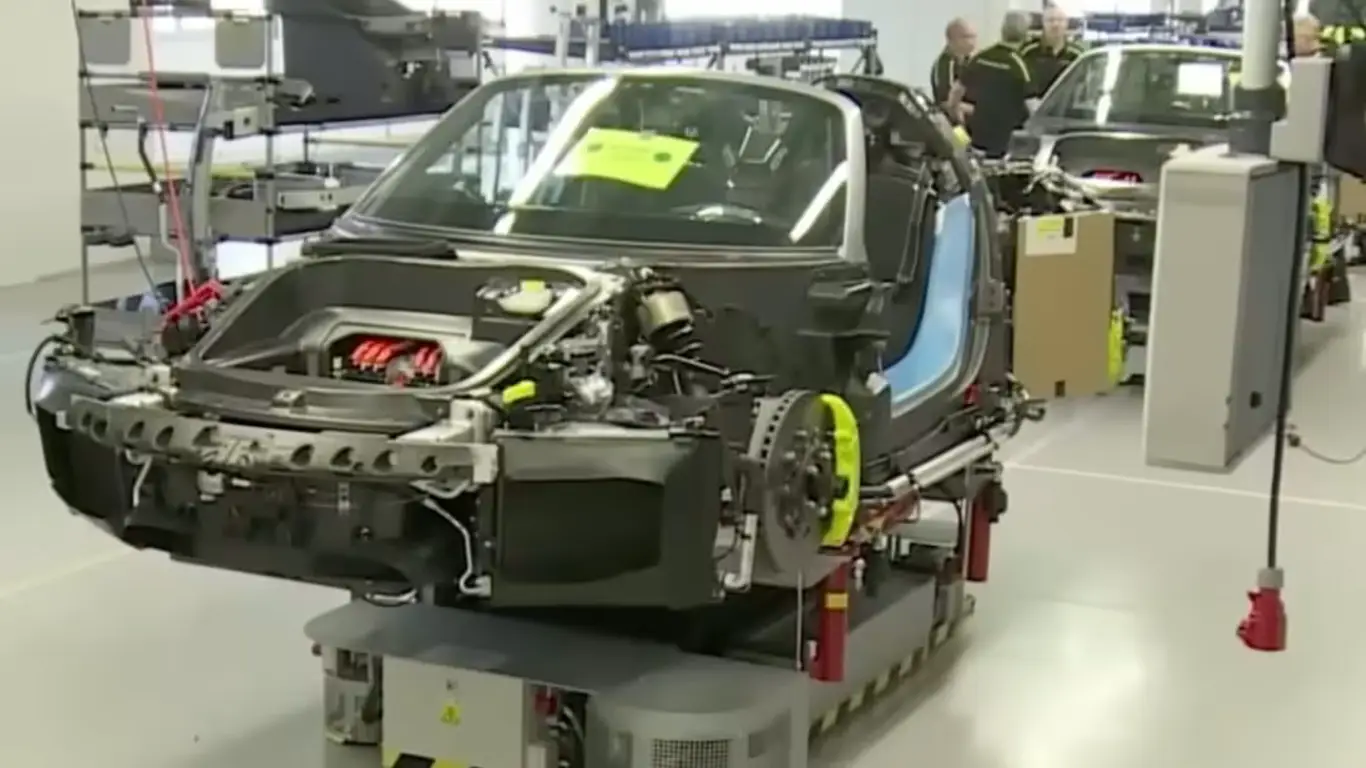
A lightweight carbon‑fiber load‑bearing structure played a pivotal role in the 918’s makeup, and the entire vehicle was conceived around a hybrid layout: a naturally aspirated 4.6‑liter V8 paired with two electric motors for a combined output of 887 hp. Even today, the way that package was engineered comes across as remarkably forward‑looking.