How to deal with a frozen parking brake in severe cold
 A. Krivonosov
Car won't move in -20°C? Learn why parking brakes freeze, how to thaw them safely without damage, and the winter parking and maintenance tips to prevent it.
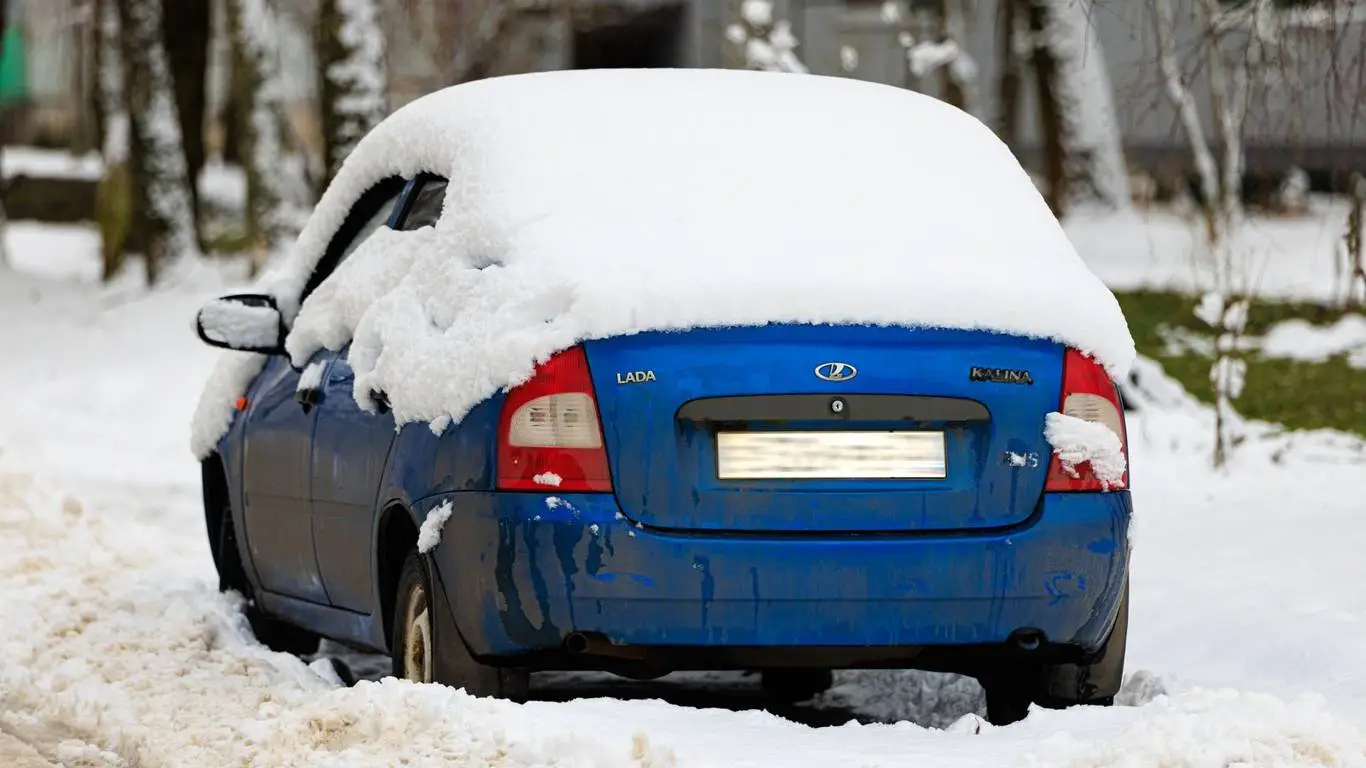
Severe cold, down to minus 20 degrees Celsius, can sideline even a perfectly healthy car. One of the most common winter headaches is a frozen parking brake. The engine starts, but the car won’t move, as if someone is holding the wheels. Mechanic Alexey Stepantsov says the culprit is moisture inside the parking brake mechanism that has turned to ice.
In most cars, the handbrake works through cables routed inside a plastic sleeve. If that sleeve is damaged or cracked, water and dirt get in. In freezing weather the cable can stick, and the return spring can’t pull it back. So even when the lever looks released, the brake pads remain pressed against the disc.
Trying to force the car free isn’t worth it—you can damage the pads or the cable. The smarter move, Stepantsov noted, is to let the car warm up. Sometimes gentle tapping on the rear wheels with a wooden block or a slight rocking motion helps. If the cable is completely frozen, you can speed things up with a hair dryer by directing warm air at the section where the cable runs. A construction heat gun or open flame is strictly off-limits: that’s a straight path to a fire.
To avoid the problem altogether, skip the handbrake after parking in winter. In manual cars, just leave a gear engaged: reverse if you’re facing downhill, first if you’re uphill. Owners of automatics can simply select P.
Regular brake maintenance and cable lubrication help prevent freezing. And above all, don’t try to muscle the car into motion; in a hard freeze that almost always ends in repairs. Patience tends to be the cheapest tool in the garage.